What Do Podiatrists Think of Crocs? A Foot Health Guide
- Cleo Fairchild
- 3 September 2026
- 0 Comments
Podiatrist Footwear Risk Calculator
Assess whether your current Croc usage habits pose a risk to your long-term foot health. Based on podiatric consensus regarding stability, support, and hygiene.
Risk Assessment
Podiatrist Recommendations:
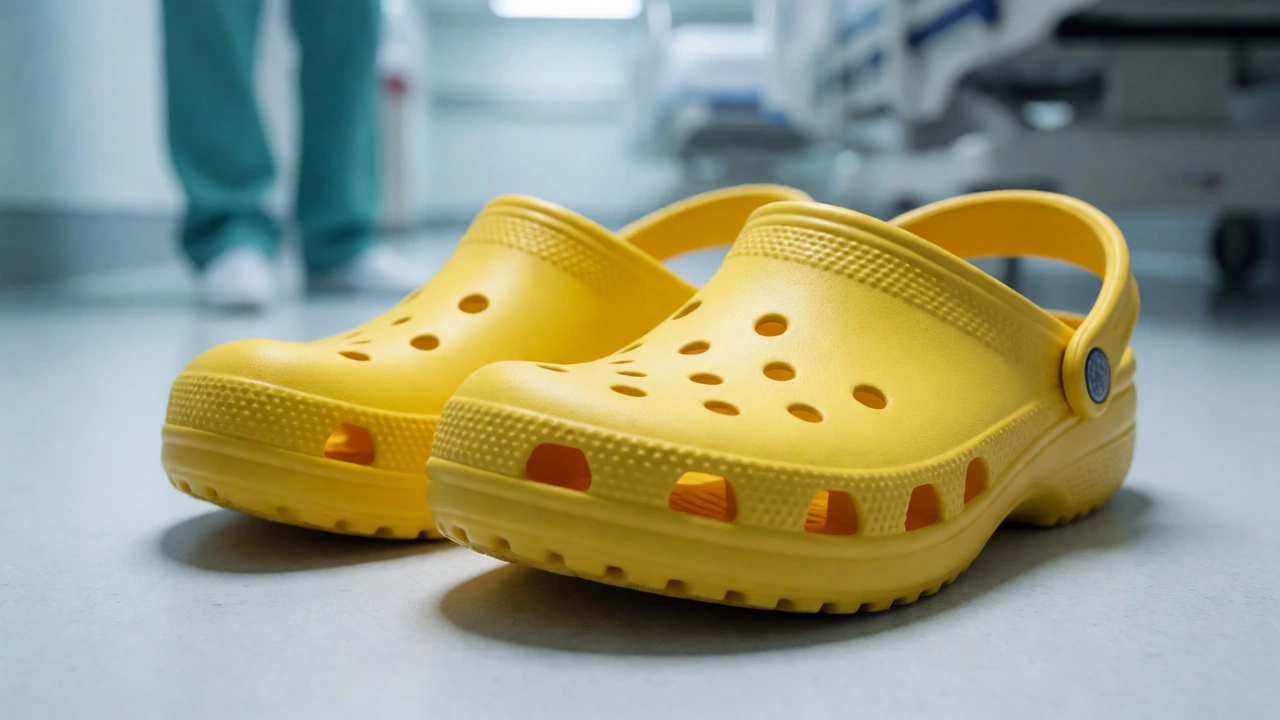
You’ve seen them everywhere. Nurses wearing them on hospital shifts, chefs standing in hot kitchens, gardeners pulling weeds, and yes, plenty of people just walking to the shops. Crocs are undeniably comfortable. They’re light, they’re waterproof, and they’re easy to slip on. But when you ask a podiatrist about them, the answer isn’t a simple "yes" or "no." It’s more like a complicated shrug with some specific warnings attached.
If you’re considering swapping your heavy-duty work shoes for a pair of clogs, you need to know what’s happening inside your shoe-and inside your feet. Are these foam clogs actually good for your long-term foot health, or are they just masking pain until something worse happens?
The Quick Verdict: Comfort vs. Support
| Feature | Podiatrist Opinion | Risk Level |
|---|---|---|
| Arch Support | Minimal. The molded footbed is flat and lacks structural rigidity. | Moderate |
| Heel Strap | Optional. Without it, toes grip to keep the shoe on, causing strain. | High |
| Material (Croslite) | Excellent shock absorption and hygiene properties. | Low |
| Fit & Sizing | Often too loose, leading to friction blisters and instability. | Moderate |
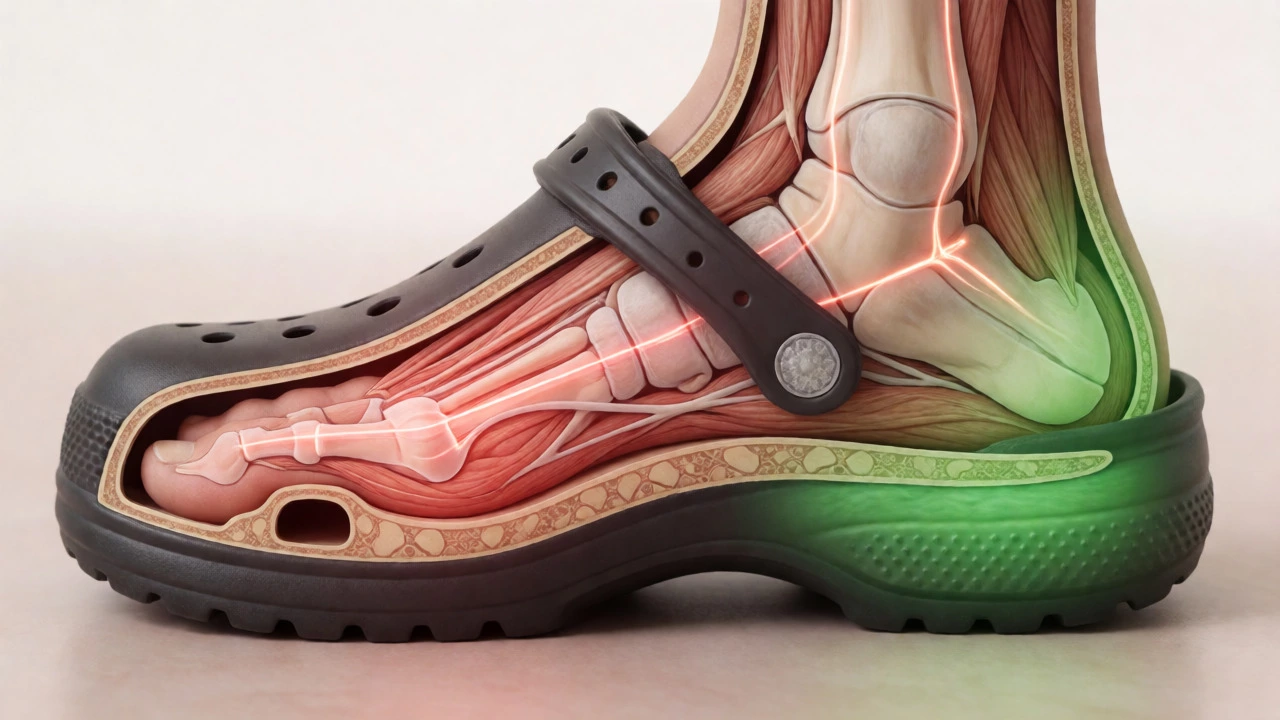
Here’s the core issue: Comfort is not the same as support. Crocs feel good because the material is soft and squishy. That softness absorbs impact, which feels great after a twelve-hour shift. But your feet aren’t just pillows; they’re complex mechanical structures that need stability. When a shoe is too soft, your muscles have to work harder to stabilize your ankle and arch. Over time, this extra effort can lead to fatigue, tendonitis, or plantar fasciitis.
Why Podiatrists Have Mixed Feelings
Let’s break down the anatomy of the argument. Most foot specialists don’t hate Crocs. In fact, many recommend them for specific situations. For example, if you have swollen feet due to lymphedema or pregnancy, the roomy toe box of a Croc is a lifesaver. Traditional leather shoes might squeeze those swollen areas, causing pain. A Croc gives your toes space to breathe and move without pressure points.
However, problems arise when you wear them for high-impact activities or long-distance walking. The lack of a rigid shank (the stiff part under the arch) means the shoe bends easily. While this flexibility sounds nice, it prevents your foot from getting the leverage it needs during push-off. Instead of your arch springing back, your foot collapses slightly with every step. This over-pronation can twist your knees and hips, creating a chain reaction of discomfort up your body.
Another major concern is the heel strap. Many people wear Crocs with the strap flipped forward, turning them into slippers. Podiatrists strongly advise against this for active use. When you walk in a backless clog, your toes instinctively curl downward to grab the sole and keep the shoe from flying off. This constant gripping tightens the flexor tendons in your toes. If you do this for eight hours a day, five days a week, you’re setting yourself up for hammertoes or cramping.
The Good: Hygiene and Shock Absorption
To be fair, there are genuine reasons why healthcare workers love these shoes. The proprietary material, called Croslite, is an anti-microbial closed-cell resin. Unlike porous materials like canvas or certain leathers, Croslite doesn’t absorb sweat or bacteria. You can hose them down, scrub them with soap, and dry them quickly. For nurses dealing with bodily fluids or chefs working in greasy environments, this hygienic quality is non-negotiable.
Additionally, the shock absorption is legitimately impressive. Standing on hard tile floors all day takes a toll on joints. The foam-like density of Croslite reduces the force transmitted through your heels and knees. For someone with arthritis or joint sensitivity, this cushioning provides immediate relief that firmer athletic shoes might not offer.
The Bad: Instability and Lack of Structure
Where Crocs fail is in providing a secure foundation. Because they are often sold one size up from your normal shoe size, your foot slides around inside. This sliding creates friction, which is the primary cause of blisters. You might think, "I’ll just wear thick socks," but that doesn’t solve the instability. Your ankle has to constantly micro-adjust to keep you balanced on a surface that wobbles.
Consider the difference between a Croc and a proper running shoe. A running shoe has a firm heel counter (the cup at the back) that locks your calcaneus bone in place. Crocs have a soft, flexible back. Without that lock, your heel moves excessively. This movement strains the Achilles tendon. If you already have mild Achilles tendinitis, wearing Crocs without the heel strap secured will likely make it worse.
There’s also the issue of traction. While newer models have improved tread patterns, older Crocs can become slippery when wet with oil or water. In a kitchen environment, a slip-and-fall accident is a real risk. Podiatrists often point out that safety trumps comfort when it comes to workplace footwear.
When Should You Wear Them?
So, should you throw them away? Not necessarily. Context matters. Here is how to use them safely based on expert consensus:
- Short Commutes: Walking from your car to the office? Crocs are fine. The distance is short enough that muscle fatigue won’t set in.
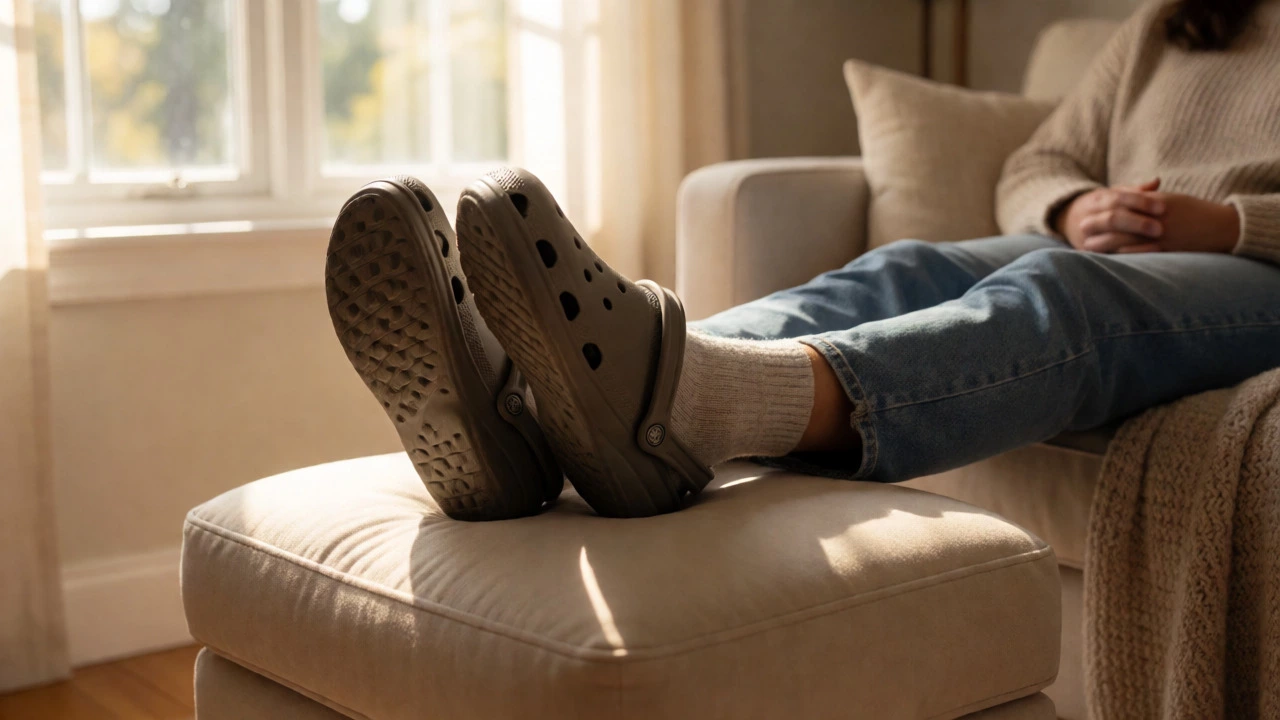
- Recovery Days: After a long run or a day in high heels, switching to Crocs allows your feet to decompress. The open design improves circulation.
- Water Exposure: If you’re gardening, washing dishes, or near pools, the waterproof nature makes them practical.
- Swollen Feet: If you are pregnant or recovering from foot surgery, the adjustable fit accommodates swelling better than lace-up boots.
Conversely, avoid them for hiking, running, or standing still for hours on end. If you are a teacher or a retail worker who walks miles each day, the lack of arch support will catch up with you. You might start feeling pain in the ball of your foot (metatarsalgia) because the thin sole doesn’t distribute weight evenly across the forefoot.
How to Make Crocs Work for You
If you love your Crocs and want to keep wearing them, you can mitigate the risks with a few tweaks. First, always wear the heel strap back. It seems obvious, but securing the shoe stops your toes from gripping. This single change significantly reduces the strain on your toe tendons.
Second, consider adding an orthotic insert. Since the built-in footbed is minimal, dropping in a supportive insole can provide the arch structure that Crocs lack. Look for inserts made of semi-rigid plastic or cork rather than soft foam, as they offer better resistance to collapse.
Third, pay attention to sizing. Don’t buy a size too big just to accommodate socks. Excess room leads to sliding. Buy a size where your heel sits snugly against the back when the strap is engaged. If you have wide feet, look for the "Wide Fit" versions specifically designed by the brand, rather than just sizing up.
Alternatives for Serious Foot Support
If you find yourself needing more support than Crocs provide, but you still want the ease of a clog-style shoe, there are alternatives. Brands like Birkenstock offer cork footbeds that mold to your foot over time while providing rigid arch support. Dansko clogs feature a rocker bottom that encourages natural gait progression, reducing stress on the knees.
For healthcare professionals, specialized nursing shoes often combine the washable exterior of a Croc with the internal structure of an athletic shoe. These hybrids offer the best of both worlds: hygiene and biomechanical support. It’s worth investing in a pair if you spend forty-plus hours a week on your feet.
Ultimately, your feet tell you what they need. If you wake up with sore arches or cramping toes after wearing Crocs, listen to that signal. It doesn’t mean you have to ban them forever, but it does mean they might not be the right tool for that specific job. Balance is key. Rotate your footwear. Use Crocs for relaxation and low-impact tasks, and switch to structured shoes for high-activity days. Your future self, standing tall without knee pain, will thank you.
Are Crocs bad for plantar fasciitis?
They can be. While the cushioning helps with heel pain, the lack of arch support can worsen plantar fasciitis over time. The soft sole allows the arch to flatten excessively, stretching the plantar fascia ligament further. If you have plantar fasciitis, add a supportive insole or choose a clog with a firmer footbed.
Can I wear Crocs for nursing shifts?
Many nurses do, but it depends on the individual. For those with healthy feet and no history of tendon issues, Crocs are acceptable for shorter shifts or roles involving less walking. However, for 12-hour shifts involving significant walking, most podiatrists recommend shoes with better heel stabilization and arch support to prevent fatigue-related injuries.
Do Crocs cause bunions?
Crocs themselves rarely cause bunions because they have a wide toe box that doesn't compress the toes. Bunions are typically caused by narrow, pointed-toe shoes. However, if you wear Crocs with the heel strap forward and your toes grip tightly, you could develop other toe deformities like hammertoes, though bunions are less likely.
Is Croslite material safe for feet?
Yes, Croslite is generally considered safe. It is a closed-cell resin that is anti-microbial, meaning it resists odor-causing bacteria and fungi. It is also latex-free, making it suitable for people with latex allergies. Just ensure you clean them regularly to maintain hygiene.
Should I wear socks with Crocs?
Wearing socks can help reduce friction and blisters, especially if the shoe fits loosely. Moisture-wicking socks are ideal as they keep feet dry. However, if the shoe is too large, socks won't stop the sliding motion entirely. Ensure the shoe fits well first, then add socks for comfort and hygiene.