Why Do Feet Smell in UGGs? Causes and How to Fix It
- Cleo Fairchild
- 29 June 2026
- 0 Comments
UGG Odor Risk & Prevention Tool
Assess Your Habits
Select your habits above and click calculate to see your odor risk level.
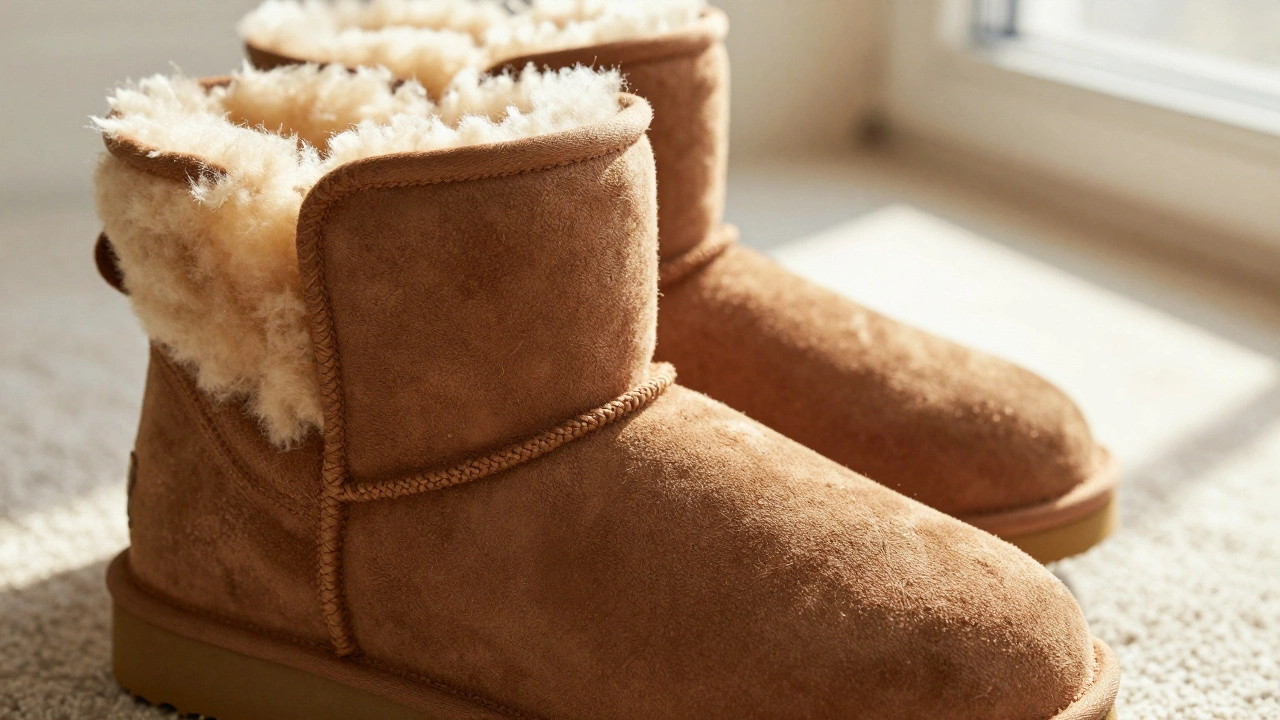
There is nothing quite as cozy as sliding your feet into a pair of warm UGGs, which are premium sheepskin footwear known for their plush interior and casual style. But there is also nothing quite as embarrassing as taking them off and realizing they have developed a pungent, sour odor. If you have ever wondered why your feet smell so bad in UGGs, you are not alone. It is a common complaint among owners of these beloved boots and slippers. The good news is that the smell is not permanent, and it is usually caused by a specific combination of materials and biology that you can control.
The Science Behind the Sheepskin Scent
To understand why the smell happens, you first need to look at what UGGs are made of. The core material is sheepskin, which is a natural leather with the wool still attached to the hide. This material is incredibly soft and provides excellent insulation because the lanolin (natural oil) in the wool repels water and traps heat. However, this same property creates a perfect environment for odor-causing agents.
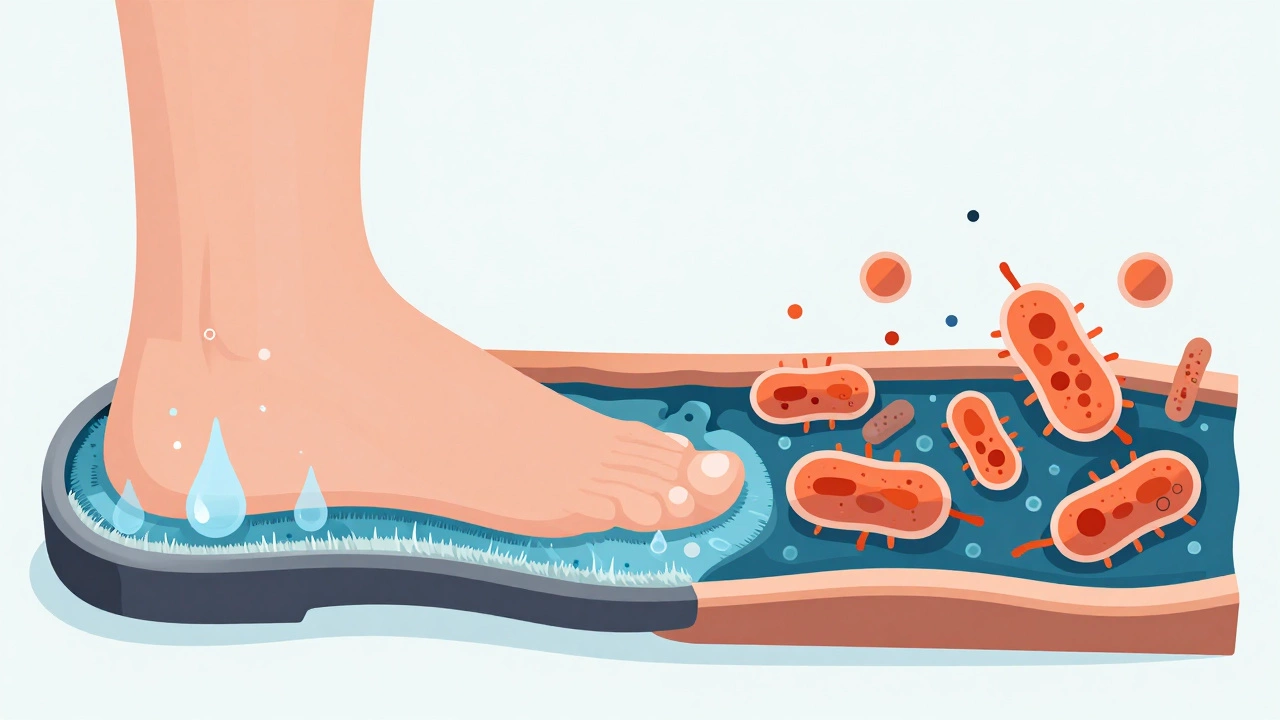
Your feet are essentially sweat factories. On average, a human foot has about 250,000 sweat glands. When you wear closed-toe footwear like UGG Classic Short boots or Cozy Slippers, that sweat gets trapped inside the lining. In many synthetic shoes, the moisture might evaporate quickly or be absorbed by a cheap foam that dries out. In sheepskin, the wool absorbs the moisture to keep your foot dry, but if the boots are worn day after day without a break, the wool becomes saturated. Once the wool is damp, it does not just hold water; it holds bacteria.
Bacteria love warm, dark, and moist environments. The inside of an UGG boot is all three. As bacteria feed on the dead skin cells and sweat residue left behind by your feet, they release waste products. These waste products are volatile organic compounds, and that is what your nose detects as "smell." The specific scent of old UGGs is often described as cheesy or sour because of the type of bacteria that thrive in protein-rich environments like wool and sweat.
Material Matters: Why Some UGGs Smell More Than Others
Not all UGG products are created equal when it comes to odor retention. The construction plays a huge role in how fast the smell develops. For example, the UGG Classic Ultra Mini, a shorter version of the classic boot with a compact design, may retain less overall volume of air and sweat than a taller boot, but the fit is often tighter around the ankle, increasing friction and heat generation.
Consider the difference between suede exterior models and those with alternative materials. Suede is breathable to some degree, allowing a tiny amount of air exchange. However, many modern UGG styles feature waterproof membranes or synthetic linings for durability. While these features protect your feet from rain, they also trap more heat and humidity inside. If you are wearing a style with a non-breathable sole or lining, the cycle of sweating and bacterial growth accelerates rapidly.
Slippers present a different challenge. Since people often wear them indoors where floors might be cooler, the temperature differential can cause condensation inside the shoe. Plus, slippers are frequently worn without socks, which means bare skin contact with the lining. Bare feet shed more skin cells directly onto the fabric, providing even more food for the bacteria compared to wearing a cotton sock barrier.
| Factor | UGG Sheepskin Boots | Synthetic Sneakers | Cotton Slippers |
|---|---|---|---|
| Absorption Capacity | High (Wool absorbs moisture) | Medium (Foam absorbs) | Low (Fabric wicks) |
| Breathability | Moderate (Natural fibers) | Low (Synthetic mesh) | High (Open weave) |
| Drying Time | Slow (Requires airflow) | Fast (Surface drying) | Very Fast |
| Bacterial Growth Risk | High (If wet) | Medium | Low |
Daily Habits That Make the Smell Worse
How you wear your UGGs matters just as much as the boots themselves. One of the biggest mistakes people make is wearing the same pair every single day. Sheepskin needs time to "rest" and air out. When you wear them daily, the wool never fully dries out from the previous day's sweat. This constant dampness turns the interior into a breeding ground for microbes.
Another major culprit is going sockless. While UGGs are marketed as comfortable enough to wear barefoot, this practice increases the direct transfer of oils and skin cells to the lining. Cotton socks act as a wicking layer, pulling moisture away from your skin and allowing it to evaporate more easily. Without that barrier, your feet are essentially marinating in their own sweat inside the wool.
Storage conditions also play a critical role. If you leave your UGGs in a damp closet, under a bed, or in a gym bag, they will absorb ambient humidity. Moisture-loving mold spores can settle into the fibers, adding a musty smell to the bacterial funk. Proper storage involves keeping them in a cool, dry place with good air circulation.
How to Eliminate Existing Odors
If your UGGs already smell, do not panic. You can reverse the damage, but you cannot simply throw them in the washing machine. Aggressive cleaning can felt the wool and ruin the shape. Instead, follow a gentle deodorizing process.
- Freeze the Bacteria: Place your UGGs in a sealed plastic bag and put them in the freezer overnight. The extreme cold kills many of the odor-causing bacteria. This is a quick fix for mild smells.
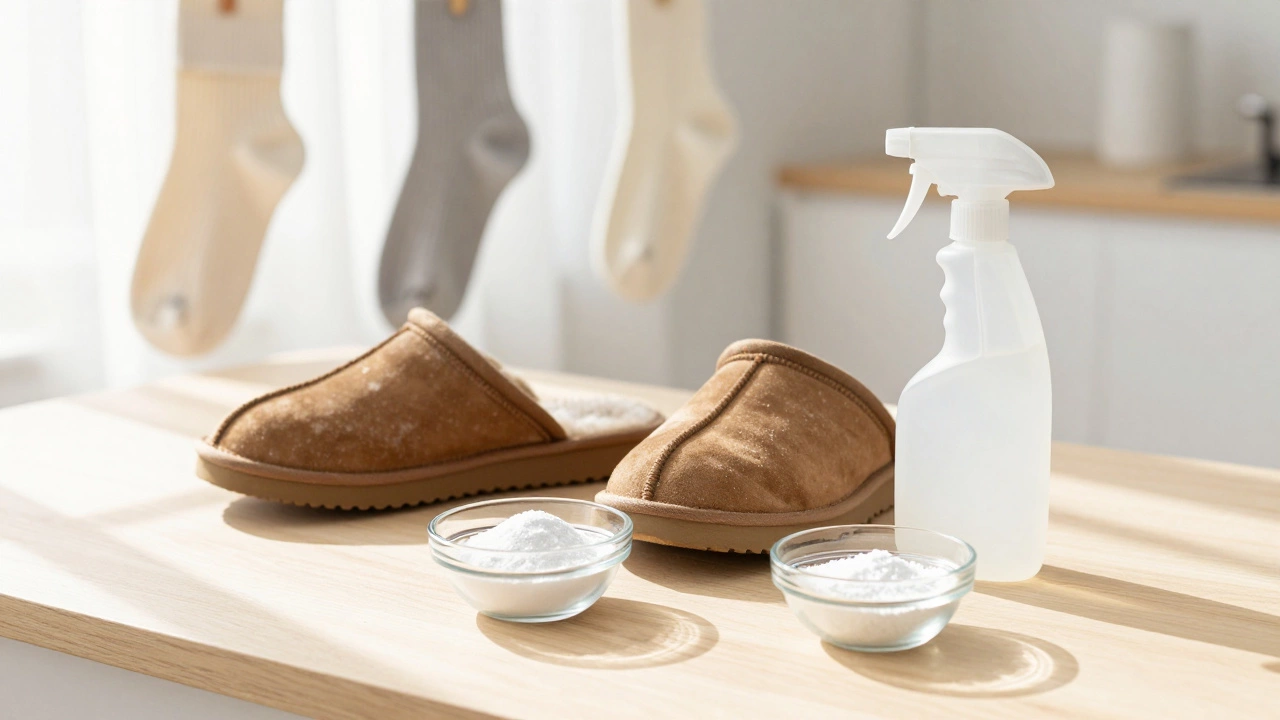
- Use Baking Soda: Sprinkle a generous amount of baking soda inside the boots. Let it sit for 24 hours. Baking soda is a natural odor absorber that neutralizes acidic smells. Shake it out thoroughly afterward.
- Vinegar Solution: Mix equal parts white vinegar and water in a spray bottle. Lightly mist the interior of the boots. Vinegar kills bacteria and eliminates odors. Allow them to air dry completely away from direct heat.
- Professional Cleaning: For deep-set odors, consider using a specialized cleaner designed for sheepskin. Products containing enzymatic cleaners break down the organic matter (sweat and skin) that bacteria feed on.
Prevention Strategies for Long-Term Freshness
Preventing the smell is easier than removing it. Start by establishing a rotation system. Own at least two pairs of footwear and alternate them. This gives each pair 24-48 hours to dry out completely before being worn again.
Invest in moisture-wicking socks. Avoid nylon or polyester blends that trap heat. Look for merino wool or bamboo blends. Merino wool socks are particularly effective because they regulate temperature and resist odor naturally, complementing the sheepskin lining rather than fighting against it.
Use foot powders or antiperspirants specifically designed for feet. Applying a small amount of talc-free foot powder before putting on your UGGs can help absorb excess sweat throughout the day. There are also cedar shoe inserts available that naturally absorb moisture and release a pleasant woody scent while inhibiting fungal growth.
Finally, maintain the exterior. A clean exterior prevents dirt and debris from being tracked into the interior when you take the boots off. Brush the suede regularly with a suede brush to keep the nap raised and allow better air permeability through the upper material.
When to Consider Replacement
Sometimes, no amount of cleaning can save a pair of UGGs. If the smell persists after multiple attempts at deodorizing, it may mean that the bacteria have penetrated deep into the core of the sheepskin or that mold has taken hold. Mold is difficult to remove completely and can pose health risks, especially for those with respiratory issues.
Additionally, if the lining has become matted, stiff, or discolored, the structural integrity of the wool is compromised. At this point, the boots are no longer providing the comfort or warmth they were designed for. It is time to recycle or dispose of them responsibly and invest in a new pair, applying the prevention strategies learned here to extend the life of the next ones.
Can I wash my UGGs in the washing machine?
No, you should never put UGGs in a washing machine. The agitation and water can cause the sheepskin to shrink, harden, and lose its shape. Always hand clean or use professional cleaning services designed for sheepskin.
Why do my UGG slippers smell worse than my boots?
Slippers are often worn indoors without socks, leading to direct skin contact and higher accumulation of sweat and skin cells. They also tend to have less ventilation than boots, trapping heat and moisture more effectively.
Does freezing UGGs actually kill bacteria?
Freezing can kill some types of bacteria and neutralize odors temporarily, but it is not a complete sterilization method. It works best as a maintenance step combined with other cleaning methods like baking soda or vinegar.
What is the best sock to wear with UGGs?
Merino wool socks are the best choice. They wick moisture away from the foot, regulate temperature, and naturally resist odor. Bamboo socks are also a good alternative due to their breathability and antibacterial properties.
How long should I let UGGs dry after cleaning?
Allow UGGs to air dry naturally at room temperature for 24-48 hours. Never use direct heat sources like radiators or hair dryers, as this can damage the sheepskin and cause cracking.