Should Down Jackets Be Tight or Loose? The Perfect Fit Guide

- Cleo Fairchild
- 9 July 2026
- 0 Comments
Down Jacket Fit & Warmth Simulator
Configuration
Analysis Results
Configure your jacket settings and click Analyze to see if you're optimizing your warmth.
Picture this: you’re standing in a freezing queue for the morning train in Bristol. The wind is biting, your hands are buried deep in your pockets, and you feel that familiar chill creeping up your spine. You pull your down jacket tighter around yourself, but instead of feeling warm, you feel... constricted. Or worse, you realize there’s a gap between your chest and the fabric where cold air is sneaking in. It’s a frustrating paradox. We buy these expensive coats to keep us cozy, yet getting the fit wrong can make them useless.
The question isn’t just about style; it’s about physics. Should a down jacket be tight or loose? The short answer is neither extreme. It should be "roomy enough". But what does that actually mean when you’re trying on a coat in a cramped changing room? Let’s break down why the fit matters more than you think, how your body moves in the cold, and exactly how to find that sweet spot between a sausage casing and a sleeping bag.
Why Air Gaps Kill Warmth (And Why Skin-Tight Is Dangerous)
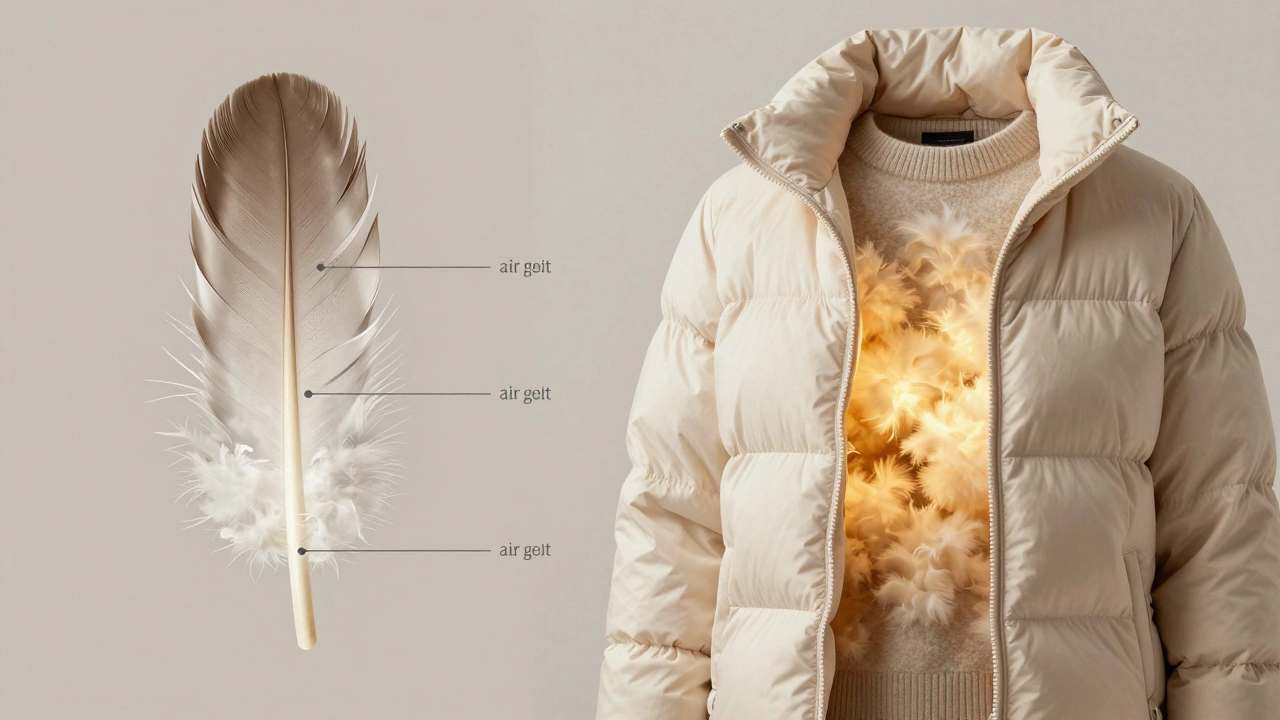
To understand fit, you have to understand how down insulation works. Unlike synthetic fleece or wool, which traps heat by absorbing body moisture and creating friction, down relies entirely on loft. Loft is the space between the clusters of feathers. That trapped air acts as a barrier against the cold outside.
If you wear a down jacket that is too tight, you compress those feather clusters. When you squeeze down, you destroy the loft. No loft means no trapped air. No trapped air means zero insulation. It’s like trying to stay warm under a flat sheet instead of a fluffy duvet. A skin-tight down jacket might look sleek, but it’s essentially a decorative shell that lets your body heat escape directly into the atmosphere.
Furthermore, tight clothing restricts blood flow. Your extremities need circulation to stay warm. If your arms are pinned to your sides, your shoulders hunch, and your core can’t expand with every breath, your body struggles to regulate its temperature. You end up sweating slightly from the effort of moving, which then cools you down rapidly once you stop. It’s a vicious cycle.
The Layering Game: Room for Error
The biggest reason a down jacket needs to be looser than a t-shirt is layering. In the UK, weather is unpredictable. One minute it’s drizzling, the next it’s gale-force winds. You rarely wear a down jacket over just a base layer unless it’s a high-end technical piece designed for alpine climbing.
For most of us, the down jacket is the outer shell or the mid-layer. If you buy a jacket that fits perfectly over a thin cotton tee, you’ll be stuck in October when the mercury drops. Can you fit a merino wool sweater underneath? What about a thick hoodie for casual weekends? If the zipper strains or the sleeves shorten when you add a second layer, the jacket has failed its primary job.
- Base Layer: Thin, moisture-wicking fabric (synthetic or silk).
- Mid Layer: Fleece, wool jumper, or puffy vest.
- Outer Layer: The down jacket itself.
You need at least two inches of clearance between your chest and the jacket lining. This creates an additional microclimate of warm air that your body heats up. It’s not just about fitting clothes; it’s about fitting the air that keeps you alive in sub-zero temps.
Mobility: The Arm Raise Test
A jacket that hangs loosely might trap air, but if it’s too big, it becomes a hindrance. Have you ever tried to reach for a coffee cup while wearing a jacket so long it covers your hands? Or tried to put on gloves when the sleeve cuffs are gaping open?
The key metric for fit is mobility. Stand up straight. Raise both arms above your head. Now, bring them back down. Did the jacket ride up significantly, exposing your lower back? If yes, it’s likely too short or too tight across the shoulders. Conversely, try to mimic driving or typing. Do the sleeves bunch up excessively at the elbows?
An ideal fit allows for a full range of motion without the jacket shifting out of place. The shoulder seams should sit right at the edge of your actual shoulder bone, not drooping down your arm. If they droop, the jacket is too big. If they pinch, it’s too small. Remember, down jackets often have articulated patterning-cuts designed specifically to allow movement. Trust the cut, but verify the comfort.
Sizing Up vs. Sizing Out: Knowing the Difference
There is a distinct difference between "sizing up" and buying a jacket that is simply oversized. Sizing up means taking the next standard size (e.g., Medium to Large) to accommodate layers. Buying an oversized jacket means choosing a cut that is intentionally boxy or long for fashion purposes.
While oversized silhouettes are trendy in streetwear, they come with thermal penalties. Excess fabric flaps in the wind, letting drafts in through the hem and collar. It also adds weight. A down jacket that is three sizes too large isn’t just unfashionable; it’s inefficient. The down clusters get tangled and compressed unevenly, reducing their lifespan.
Stick to one size up from your regular shirt size if you plan to layer heavily. If you only wear light layers, stick to your true size, ensuring there’s still that crucial inch of air gap. Never go two sizes up unless you are using it as a blanket.
| Fit Area | Ideal State | Signs of Poor Fit |
|---|---|---|
| Shoulders | Seam sits at bone edge | Pinching (too small) or Drooping past elbow (too big) |
| Chest/Torso | Hand-width gap inside | Taut fabric (too small) or Baggy folds (too big) |
| Sleeves | Covers wrist when arms bent | Shortens when raising arms (too short/tight) |
| Hem Length | Covers hips/buttocks | Rides up waistband (too short) or Trips you (too long) |
| Collar | Sits snug against neck | Gapes open (drafts in) or Chokes throat (uncomfortable) |
Material Matters: Synthetic vs. Natural Down
The type of fill affects how you should fit the jacket. Natural down (usually goose or duck) is incredibly compressible. It bounces back well, but if it gets wet, it clumps and loses all warmth. Because it’s so efficient, you don’t need a massive volume of it to stay warm. This allows for slimmer cuts without sacrificing heat.
Synthetic insulation, on the other hand, is bulkier. It doesn’t compress as tightly, so synthetic jackets often look puffier even at lower temperatures. If you’re switching from down to synthetic, you might need to size up slightly because the material is less flexible and hugs the body less naturally. However, synthetic retains warmth when wet, making a slightly looser fit safer for rainy climates like ours here in the West Country.

Style Silhouettes: Puffer vs. Parka
Not all down jackets are created equal. The intended use dictates the fit.
The Urban Puffer: Designed for city life. These are often cropped or hip-length. They prioritize aesthetics. Here, a slightly tighter fit is acceptable because you aren’t layering heavy wool sweaters. Think sleek, modern, and mobile. Aim for a "tailored" look, but ensure the zipper closes without straining.
The Expedition Parka: These are knee-length beasts. They are built for survival. A parka must be loose. You will be wearing multiple layers underneath, possibly including a hard-shell rain jacket. If an expedition parka feels snug, it’s too small. You want excess fabric to create dead air spaces. The hood should be voluminous enough to fit over a helmet or a thick beanie.
The Hybrid Vest: Often worn over fleeces or shirts. These should fit closer to the body since they are a mid-layer. They shouldn’t bulge awkwardly under an outer shell. Check the side zippers; they should lie flat.
Common Mistakes When Trying On Jackets
We’ve all been there. You’re in a department store, holding a coffee, trying to decide between two colors. Here are the traps that lead to regrettable purchases:
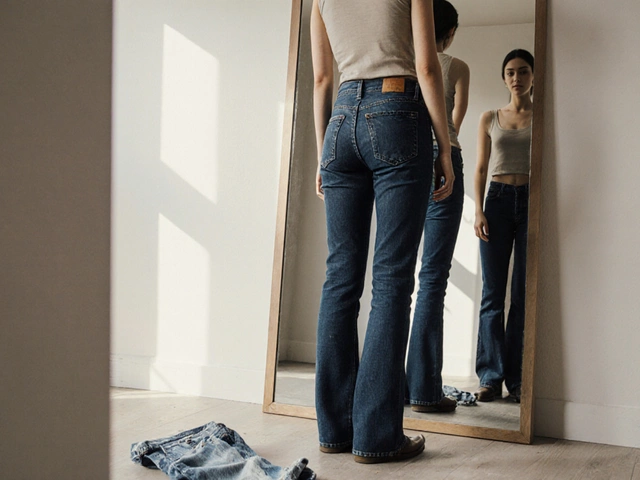
- The Mirror Lie: You look great in the mirror because you’re standing still. Walk around. Sit down. Bend over. Does the jacket ride up? Does it feel restrictive?
- Ignoring the Sleeves: People focus on the chest width. But if the sleeves are too long, they cover your hands. If they’re too short, your wrists freeze. Measure from the shoulder seam to your wrist bone. Add an inch for cuff overlap.
- Buying for Today’s Weather: It’s July. You’re trying on a winter coat in shorts. You won’t feel the need for layers. Always imagine wearing a thick jumper underneath. If it feels fine now, it will be too tight in January.
- Skipping the Hood Test: Put the hood up. Can you see? Can you turn your head? Does it crush your hair or slide off? A bad hood ruins a good jacket.
Conclusion: Finding Your Personal Sweet Spot
So, should down jackets be tight or loose? They should be comfortably loose. Not baggy, not drifting away from your body, but possessing that vital internal volume. Think of it as wearing a cloud. You want the cloud to surround you, not squeeze you.
Prioritize the shoulder fit first-it’s the hardest to alter. Then check the chest room for layers. Finally, test the mobility. If you can raise your arms, zip it up easily, and slip a sweater underneath without turning red, you’ve found the winner. Remember, a down jacket is an investment in comfort. Getting the fit right ensures that investment pays off every time the temperature drops.
How much room should I have in a down jacket?
You should have enough room to fit your hand flat between your chest and the jacket lining. Ideally, you should be able to comfortably wear a medium-weight sweater or fleece underneath without the zipper straining or the sleeves shortening.
Does a tighter down jacket keep you warmer?
No. A tighter jacket compresses the down clusters, reducing their loft. Loft is what traps warm air. Compressed down provides minimal insulation. A slightly looser fit preserves the loft and creates an additional layer of warm air against your body.
Should I size up in a down jacket?
It depends on your layering habits. If you plan to wear thick sweaters or fleeces underneath, sizing up one size is recommended. If you only wear thin base layers, stick to your true size but ensure there is still some ease of movement.
What is the best way to test the fit of a down jacket?
Perform the "arm raise" test. Lift both arms above your head. The jacket should not ride up significantly to expose your lower back. Also, mimic daily activities like reaching into a pocket or grabbing a steering wheel to ensure the sleeves and torso allow free movement.
Do synthetic down jackets fit differently than natural down?
Yes. Synthetic insulation is generally bulkier and less compressible than natural down. Synthetic jackets may feel stiffer and require slightly more room in the shoulders and chest to move comfortably compared to the softer drape of natural down.