Why Are Hoodies So Nice? The Science and Style Behind the Comfort
- Cleo Fairchild
- 18 June 2026
- 0 Comments
Hoodie Comfort & Suitability Analyzer
Your Optimal Configuration
Comfort Score
Thermal Efficiency
Expert Verdict:
--
There is a specific moment we all know. You come home after a long day, you peel off your jeans and that stiff button-down shirt, and you pull on an old hoodie. Instantly, your shoulders drop. Your brain stops buzzing with work emails. It feels like a hug from the inside out. But have you ever stopped to ask why? Why does this one garment trigger such a strong sense of safety and satisfaction?
It isn't just because hoodies are cheap or easy to find. The appeal of the hoodie runs deeper than simple laziness. It is a perfect storm of textile engineering, psychological comfort, and cultural evolution. When you understand what makes a hoodie so nice, you start seeing it not just as sweatpants' partner in crime, but as a masterpiece of functional design.
The Physics of Fabric: Why Fleeel Feels Like Home
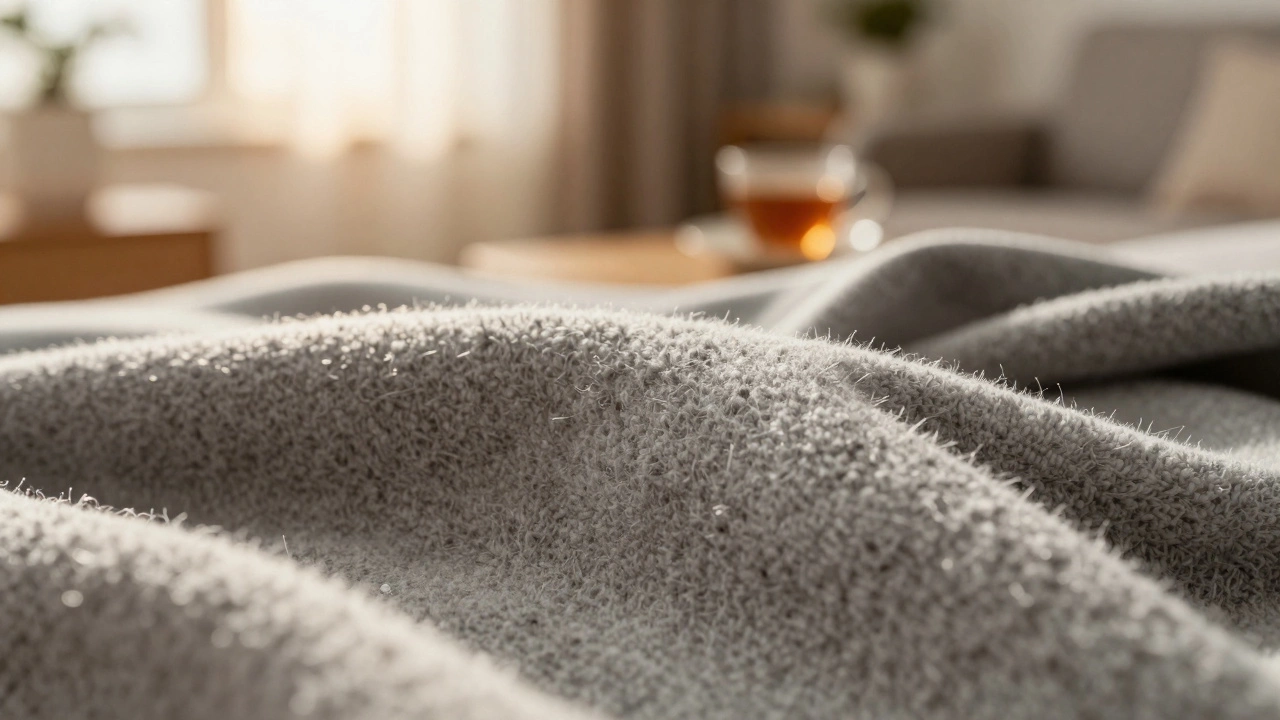
Let's talk about the material first, because that is where the magic starts. Most high-quality hoodies are made from a blend of cotton and polyester, often brushed on the inside. This process creates a texture known as fleece. When you run your hand over the inside of a good hoodie, it feels soft and slightly fuzzy. That fuzziness is actually tiny fibers standing up to trap air.
Air is a terrible conductor of heat. By trapping a layer of still air against your skin, the fleece acts as an insulator. This is the same principle down feathers use in winter jackets. However, unlike a bulky puffer jacket, a hoodie distributes this insulation evenly across your torso and arms. It provides warmth without the weight. You get the thermal benefits of heavy clothing with the mobility of a t-shirt.
Then there is the breathability factor. Pure synthetic fabrics can make you feel sweaty and clammy, which ruins the comfort vibe. Cotton, being a natural fiber, absorbs moisture. A standard 80/20 cotton-polyester blend gives you the best of both worlds: the moisture-wicking durability of polyester and the soft, breathable feel of cotton. This balance prevents that "stuck" feeling, allowing your body temperature to regulate naturally whether you are sitting on the couch or walking the dog.
Psychological Armor: The Power of the Hood
Now, let's look at the part that separates a hoodie from a regular sweater: the hood. Pulling a hood up does more than keep rain off your head. It changes how you perceive your environment. Psychologically, the hood creates a personal boundary. It narrows your field of vision slightly and dampens ambient noise. It signals to your brain that it is time to focus inward.
This effect is similar to wearing headphones. When you put on noise-canceling headphones, you aren't just blocking sound; you are creating a private space in a public world. The hoodie does this physically. It offers a sense of anonymity and protection. In a busy city like Bristol, where crowds can feel overwhelming, pulling up your hood is a subtle way to reclaim some personal space. It’s a shield against social interaction when you need a break.
Furthermore, the hood provides tactile comfort. The fabric rests gently around your face and neck. For many people, this pressure is grounding. It mimics the sensation of being swaddled, which can lower cortisol levels and reduce anxiety. It is no wonder that students studying for exams or programmers debugging code reach for their hoodies. They are seeking that focused, protected state of mind.
| Garment Type | Primary Material | Thermal Efficiency | Psychological Effect |
|---|---|---|---|
| Hoodie | Cotton/Poly Blend | High (Air Trapping) | Security & Focus |
| T-Shirt | 100% Cotton | Low | Freedom & Casualness |
| Sweater | Wool/Acrylic | Medium-High | Warmth & Tradition |
| Jacket | Nylon/Leather | Very High | Protection & Status |

From Gyms to Streetwear: A Cultural Shift
Comfort is only half the story. If hoodies were just comfortable, they would remain gym wear. What makes them truly special is their status as a fashion staple. The journey of the hoodie from athletic uniform to high-fashion icon is fascinating. In the 1930s, Champion Knitwear Company introduced the hooded sweatshirt to keep laborers warm in freezing warehouses in New York. It was purely utilitarian.
By the 1970s and 80s, hip-hop culture adopted the hoodie. It became a symbol of urban identity and rebellion. Rappers and artists wore oversized hoodies to express individuality and group belonging. Then, in the 2000s, luxury brands like Ralph Lauren and later Balenciaga began incorporating hoodies into their collections. Suddenly, a piece of clothing associated with anonymity was being sold for hundreds of dollars.
This shift changed how we view the garment. Today, wearing a hoodie doesn't mean you are hiding; it means you are relaxed but stylish. It bridges the gap between professional and casual. You can wear a structured hoodie with chinos to a creative office meeting, or pair a distressed vintage one with jeans for a night out. This versatility is rare in fashion. Most garments have a strict dress code. The hoodie has none.
Design Details That Enhance Comfort
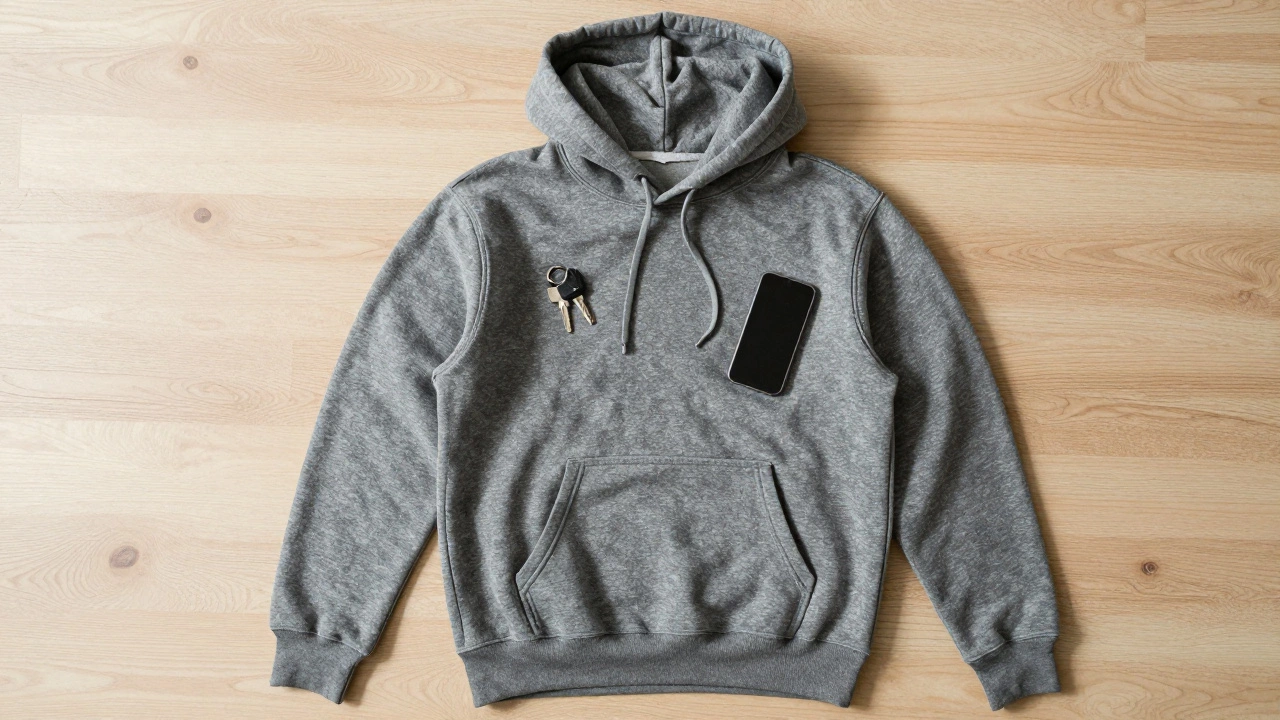
Beyond the fabric and the hood, several design elements contribute to the hoodie's appeal. Let's break down the anatomy of a great hoodie:
- The Kangaroo Pocket: This front pouch is iconic. It serves multiple purposes. First, it keeps your hands warm by allowing you to slide them inside. Second, it provides a place to rest your hands when you are sitting, which reduces tension in your arms. Third, it holds small essentials like keys or a phone, keeping them close and secure.
- The Ribbed Hem and Cuffs: Unlike loose sweaters that slip down, hoodies feature ribbed knit at the bottom and wrists. These elastic bands grip your body gently. They prevent cold air from rushing in at the ankles and wrists, maintaining that trapped layer of warm air we discussed earlier. They also give the hoodie its shape, ensuring it looks tidy even when worn loosely.
- The Drawstrings: Often overlooked, drawstrings allow you to customize the fit of the hood. You can tighten it for wind protection or loosen it for a relaxed drape. This adjustability adds a layer of personal control to the garment.
Choosing the Right Fit for Maximum Satisfaction
Not all hoodies are created equal. To truly experience why hoodies are so nice, you need to pick the right one. Here is a quick guide to finding your perfect match:
- Check the GSM (Grams per Square Meter): This measures fabric weight. A lightweight hoodie (250-300 GSM) is good for layering in summer. A mid-weight hoodie (300-400 GSM) is the sweet spot for year-round wear. Heavyweight hoodies (400+ GSM) offer maximum structure and warmth but can be too hot indoors.
- Look for Brushed Interior: Ensure the label says "brushed fleece" or "fleece-lined." Unbrushed cotton feels rougher and less insulating. The brushing process raises the fibers, creating that soft, cozy texture.
- Consider the Cut: Do you prefer a slim fit that shows your silhouette, or an oversized fit that drapes loosely? Oversized hoodies tend to feel cozier because they don't restrict movement. Slim fits look sharper but may feel tighter around the chest.
- Color Matters: Dark colors like black, navy, and charcoal hide stains and absorb heat better. Light colors reflect heat and show dirt more easily. For pure comfort, choose a color that matches your mood-often, neutral tones feel most calming.
Maintenance Tips to Keep Them Soft
A hoodie loses its charm if it becomes stiff or shrunk. Proper care ensures it stays nice for years. Wash your hoodies inside out to protect the outer surface from friction. Use cold water to prevent shrinking and preserve the elasticity of the ribbed cuffs. Avoid high heat in the dryer; instead, tumble dry on low or hang dry. High heat breaks down the fibers, making the fabric feel scratchy over time. If your hoodie pills (those little balls of fiber), use a fabric shaver to remove them and restore the smooth surface.
Why are hoodies so nice? Because they respect your body's need for warmth, your mind's need for privacy, and your style's need for flexibility. They are the ultimate compromise between function and form. Next time you pull one on, take a second to appreciate the engineering and history behind that simple act. It’s not just clothes; it’s comfort engineered.
What is the best fabric for a comfortable hoodie?
The best fabric for a comfortable hoodie is typically a blend of 80% cotton and 20% polyester. Cotton provides softness and breathability, while polyester adds durability and helps the hoodie retain its shape. Look for "brushed fleece" interiors, which raise the fibers to create a softer, warmer texture against your skin.
Do hoodies help with anxiety?
Yes, many people find that hoodies help reduce anxiety. The hood creates a sense of enclosure and privacy, which can be psychologically grounding. Additionally, the gentle pressure of the fabric around the neck and shoulders can mimic the calming effect of deep pressure therapy, similar to a weighted blanket.
Why do hoodies have pockets?
The large front pocket, known as a kangaroo pocket, serves two main purposes. Functionally, it allows you to store small items like keys or phones. Comfort-wise, it gives you a place to rest your hands, which warms them up and reduces tension in your arms and shoulders when you are relaxing.
Can I wear a hoodie to work?
It depends on your workplace dress code. In creative industries, tech startups, and casual offices, a clean, well-fitted hoodie is often acceptable. Pair it with chinos or dark jeans for a smarter look. Avoid oversized, distressed hoodies in formal corporate environments unless it is a designated casual day.
How do I stop my hoodie from shrinking?
To prevent shrinking, always wash your hoodie in cold water and turn it inside out before washing. Avoid using high heat in the dryer. Instead, use a low heat setting or hang the hoodie to air dry. Heat is the primary cause of cotton shrinkage, so minimizing exposure to it will keep your hoodie fitting perfectly.