Which is the top brand in slippers? A 2026 Brand Comparison
- Cleo Fairchild
- 30 March 2026
- 0 Comments
Find Your Perfect Slipper
Walking around your home in worn-out socks is bad for your feet, yet finding the perfect pair of slippers is surprisingly difficult. You walk into a store or open an app, and suddenly you are overwhelmed by options ranging from plush hotel-style slides to rigid clogs that look like walking boots. The question isn't just about comfort anymore; it's about long-term value, style, and how these shoes interact with your daily routine.
There is no single "top" brand that wins in every category, but some companies have consistently outperformed others over the last few years. If you are looking for the absolute best, you first need to define what you need. Are you treating plantar fasciitis, trying to stay warm during a British winter, or do you simply want something that looks good enough for Zoom calls?
Defining What Makes a Premium Slipper
Before we name names, we need to set the bar high. A cheap rubber slide might work for the bathroom, but a top-tier slipper requires specific engineering. Look for orthopedic support, which means the insole supports your arch naturally rather than being flat. This reduces strain on your heel and lower back.
Durability matters just as much. The market is flooded with disposable foam that flattens after six months of wear. The real leaders use materials like genuine leather, recycled rubber, or dense EVA that maintains its shape. We also need to consider slip resistance. A slick sole on a kitchen tile is a hazard, so a non-slip tread pattern is non-negotiable for any serious contender.
The Heavyweight Champions: UGG Australia
If comfort is your only metric, UGG Australiafamous Australian footwear company known for sheepskin slippers is often the default choice. Their classic Tasman moccasin has been a staple for years because the tumbled twin-face sheepskin provides incredible insulation. You can step onto cold tiles in the middle of January without thinking twice.
The brand has adapted significantly for the modern home environment. They now offer breathable lining that prevents overheating, addressing a common complaint about synthetic alternatives. However, there is a catch: the cost. Prices often exceed £100, and they require care to maintain the suede exterior. They are also not ideal for water-based tasks; they cannot handle a spill in the washing machine.
- Best for: Cold climates, barefoot luxury, pure softness.
- Avoid if: You have a messy household or need water resistance.
The Engineering Kings: Birkenstock
While UGG owns the cozy sector, BirkenstockGerman manufacturer specializing in contoured cork footbeds owns the structural sector. Originally designed for outdoor sandals, their indoor line brings medical-grade arch support to your living room floor. The cork-latex compound footbed molds to the shape of your foot over time.
This feature makes them unique. Unlike generic foam that gives immediately and then sags, Birkenstock firm up as you wear them. This longevity explains why people still see ten-year-old pairs in thrift shops. They are heavier than typical slippers, though, so if you bounce around the house energetically, they might feel cumbersome.
For those with chronic back pain or high arches, this is the functional choice. They aren't necessarily "cozy" in the cloud-like sense, but they are supportive in a way that protects your skeletal structure. Most models come with interchangeable straps, making them versatile for both indoor lounging and quick trips outside to get the mail.
The Versatile All-Rounder: Crocs
You cannot discuss foot dominance without acknowledging CrocsAmerican company known for molded resin clogs and sandals. In 2024 and 2025, the brand moved past its novelty phase to become a respected utility brand. The 'LiteRide' technology used in their newer models offers a lighter weight alternative to standard EVA plastic.
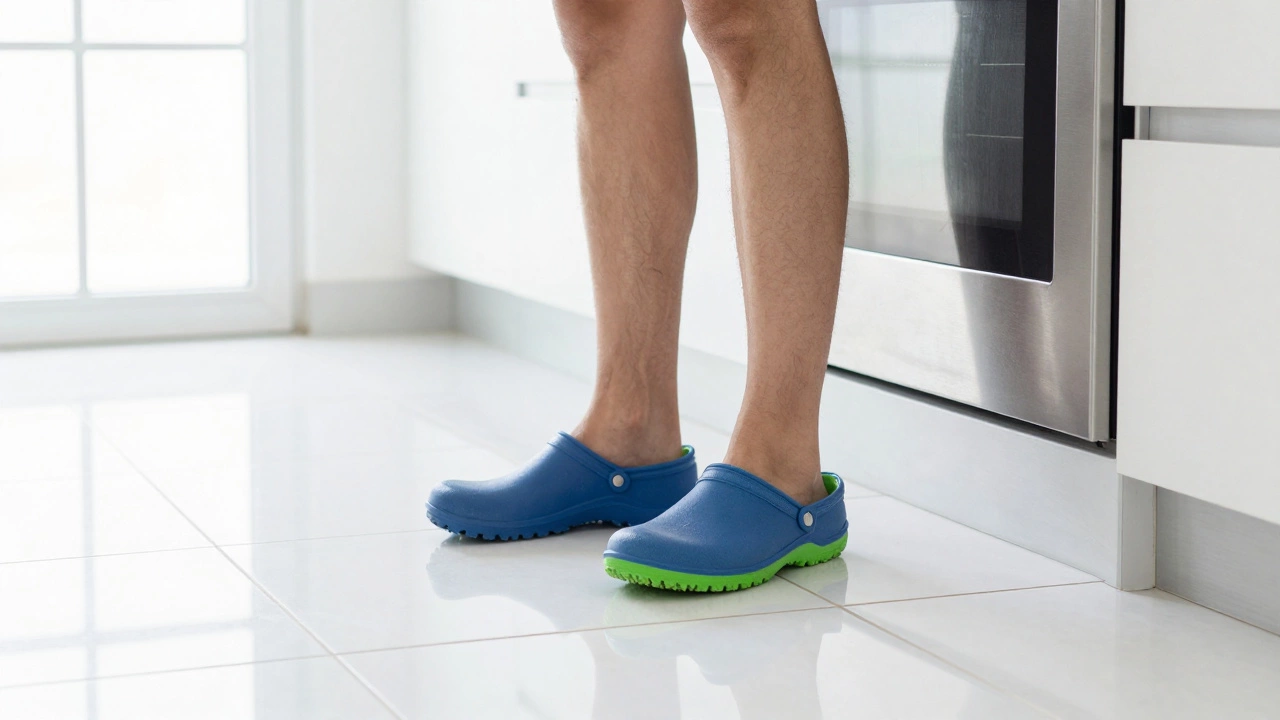
Crocs excel in versatility. If you live in a shared flat or an apartment where guests frequently visit, these are the safest bet. You can wash them, throw them in the dishwasher to kill bacteria, and dry them instantly. The material doesn't absorb sweat or spills, which keeps odors at bay better than fabric linings.
They lack the aesthetic warmth of wool, but the functionality is unmatched for hygiene-focused households. For parents with small children or pet owners dealing with muddy paws, the ability to hose them down makes them a practical leader. The ventilation holes allow air circulation, preventing the sweaty foot syndrome common with thick closed slippers.
Specialist Contender: Haflinger
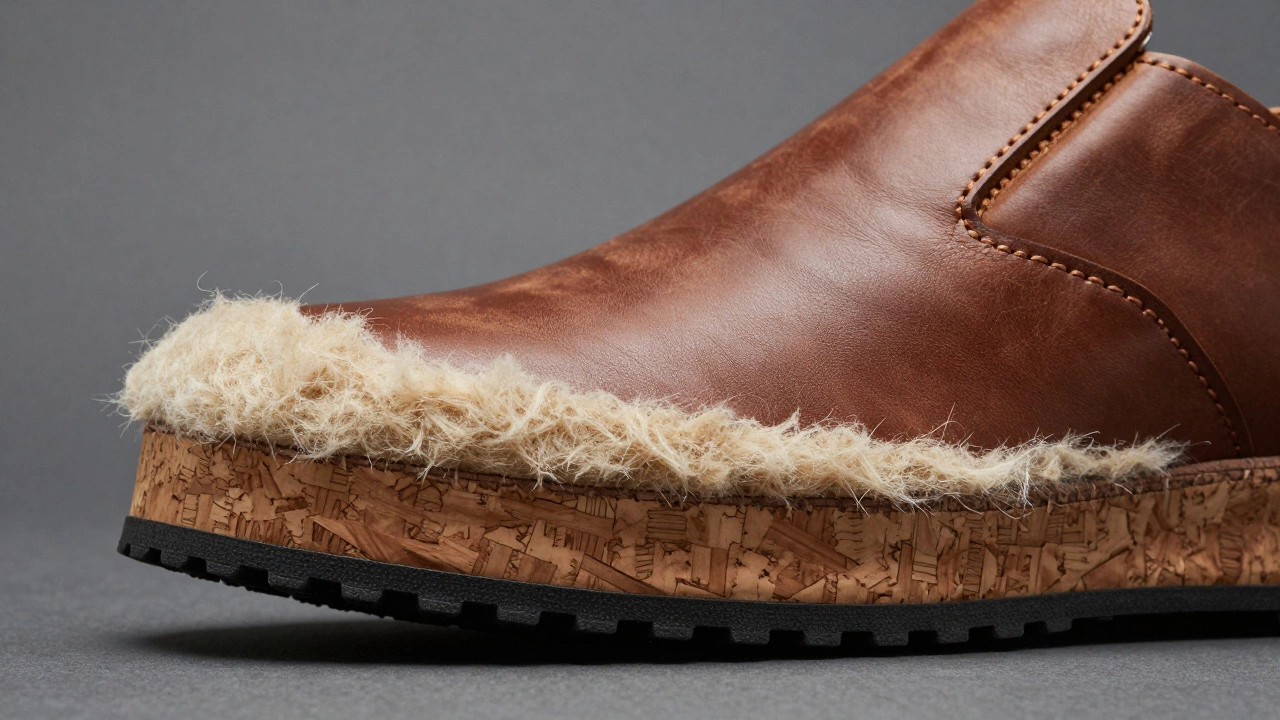
Hailing from the Tyrol region, HaflingerAustrian shoemaker producing cork-lined comfort shoes bridges the gap between medical support and luxury materials. They are less globally recognized than UGG or Crocs but hold a legendary status among podiatrists. The upper is made from genuine leather, and the insole contains a layer of cork covered with sheep fleece.
The construction allows for breathability even in thick models. Because the materials are natural, they regulate temperature effectively-keeping feet warm in winter and relatively cool in summer. The fit is anatomical, meaning the wide toe box allows your toes to spread naturally. This promotes better balance when you move quickly from sitting to standing.
Pricing sits in the mid-range, usually cheaper than premium UGG but pricier than mass-market synthetics. They are the quiet choice for people who want health benefits without the clunky aesthetic of heavy sandal-slides. If you prioritize natural materials and European craftsmanship, this is often the overlooked winner.
Rising Star: Lululemon
In recent years, activewear giant LululemonCanadian athletic apparel retailer entered the slipper market with the 'Slipstream' and similar collections. They leverage their expertise in technical fabrics. These slippers are not built for the bedroom but for the post-yoga session or the lounge-to-work-from-home transition.
Their design philosophy focuses on sleek aesthetics. Instead of fuzzy bulk, these shoes look more like minimalist slides. They pair well with gym shorts or leggings if you accidentally meet a friend in the hallway. The grip on the sole is excellent for yoga studios, which suggests they work well indoors too.
However, they generally lack the cushioning depth of specialized footwear brands. They function more as transitional shoes than dedicated relaxation gear. If your lifestyle involves a lot of moving between rooms or running errands, their lightweight build offers a distinct advantage.
Comparison Table: Key Attributes
| Brand | Primary Material | Comfort Level | Durability | Price Range |
|---|---|---|---|---|
| UGG Australia | Sheepskin/Suede | Maximum Warmth | Medium | £80 - £120 |
| Birkenstock | Cork/Fabric | Moderate (Support) | Very High | £70 - £95 |
| Crocs | EVA Resin | Moderate | High | £25 - £50 |
| Haflinger | Leather/Cork | High Breathability | High | £60 - £90 |
Choosing Based on Your Needs
Selecting the right pair comes down to matching the shoe to your specific living situation. Do you spend hours cooking where floors get wet? Go with Crocs for easy cleaning. Is your priority getting relief from foot pain? Invest in the cork foundation of Birkenstock or Haflinger. Do you simply hate cold mornings? UGG provides the thermal barrier you need.
Don't forget sizing. Many consumers make the mistake of ordering their usual street shoe size. With supportive brands like Haflinger or Birkenstock, fitting slightly larger can accommodate the swelling feet undergo after a full day of standing. With UGG, sizing down ensures the sheepskin hugs your foot tightly enough to lock in heat.
Sustainability Considerations
It is 2026, and ethics play a huge role in purchasing decisions. Traditional plastic foam takes centuries to decompose. EVA (Ethyl Vinyl Acetate), used in cheaper models, creates significant waste issues. Brands using natural fibres like cork or wool are far ahead in sustainability. Cork is harvested from the bark of oak trees without killing them, making it renewable.
Some newer entrants use recycled ocean plastics for outer shells. While this aids waste reduction, the core comfort layer remains crucial for performance. Always check the packaging; responsible brands detail the lifecycle of their product. Knowing that a pair of slippers can be returned for recycling is a strong indicator of quality control.
Frequently Asked Questions
Are expensive slippers actually worth the price?
Yes, particularly for brands offering orthopedic features. Cheap slippers flatten quickly, causing poor posture that leads to back pain. Investing in cork-leather hybrids or sheepskin ensures you get five to ten years of use, lowering the cost per wear significantly.
Can I wear indoor slippers outside?
It depends on the sole material. Rubber-soled options like Crocs and Birkenstock are fine for short trips to the bin or driveway. Fabric or sheepskin soles are easily damaged by pavement abrasion and should stay strictly inside.
How do I clean memory foam slippers?
Avoid soaking memory foam fully. Spot clean with mild detergent and let air dry. Never put foam in the dryer as heat destroys the elastic properties of the material permanently.
Which brand is best for diabetes care?
Brands specifically marketed for diabetic care often offer deeper pockets to prevent pressure points. Generally, the structured leather and wide toe boxes found in Haflinger or medical-grade brands like Vionic provide necessary protection for sensitive feet.
Do slippers affect my overall posture?
Absolutely. Walking barefoot or in flat slippers collapses your arches, pulling your knees inward. Using supportive footwear aligns your pelvis and spine, reducing long-term joint degeneration.
Making the right choice protects your health just as much as it adds to your comfort. There is no single king of the castle here, but knowing your own priorities puts the power in your hands.