When to Buy New Slippers: Signs It's Time to Replace Yours
- Cleo Fairchild
- 24 August 2026
- 0 Comments
Slipper Replacement Health Check
Select the signs that apply to your current pair of slippers. We will calculate a 'Wear Score' to tell you if it's time for an upgrade.
Checklist
Start Checking
Select the signs above to see how close your slippers are to retirement.
Your slippers have been with you through rainy days, lazy Sundays, and probably a few spilled coffee incidents. But at some point, that cozy pair starts feeling less like a hug for your feet and more like walking on crumpled paper. So, when exactly is the right time to toss them out and buy new ones? It’s not just about aesthetics; it’s about your foot health, hygiene, and overall comfort.
Most people keep wearing slippers until they fall apart completely. That’s a mistake. Worn-out indoor footwear can actually cause more problems than barefoot walking. Let’s break down the real signs that it’s time to upgrade your slipper replacement routine.
The Comfort Test: When Support Fails
The first sign is usually physical discomfort. If you find yourself wincing after taking off your outdoor shoes, or if your arches feel tired by mid-afternoon, your current pair has likely lost its structural integrity. High-quality indoor footwear uses memory foam, latex, or high-density EVA (ethylene-vinyl acetate) in the soles. Over time, these materials compress permanently. This compression reduces the cushioning effect, transferring shock directly to your joints.
If you stand for long periods-whether cooking, working from home, or just relaxing-you need consistent support. Once the sole flattens, your plantar fascia (the band of tissue along the bottom of your foot) has to work harder to stabilize your gait. This can lead to heel pain or arch fatigue. A simple test: press your thumb into the sole. If it stays indented and doesn’t spring back, the material is exhausted. It’s time to look for new pairs with fresh cushioning technology.
Hygiene: The Invisible Danger Zone
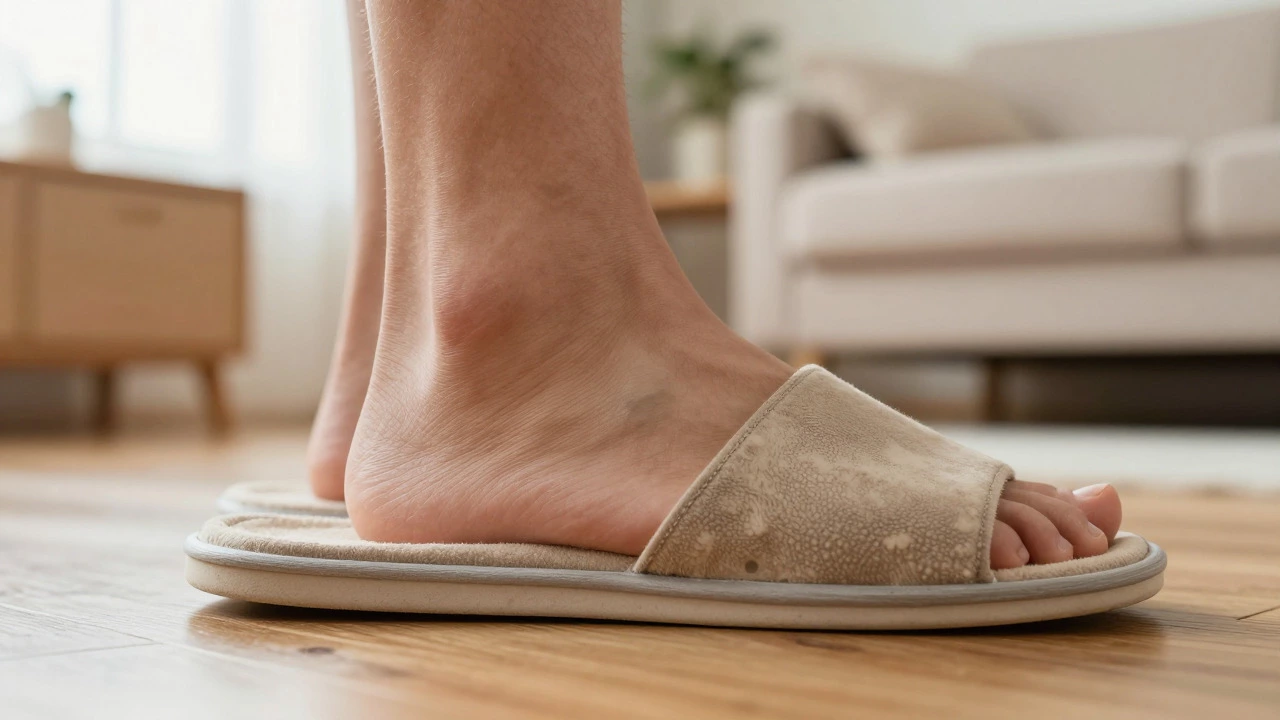
We often think of slippers as clean because we don’t wear them outside. But they are actually one of the dirtiest items in your home. Your feet produce sweat, shed skin cells, and host bacteria and fungi. Without proper ventilation or regular washing, slippers become a breeding ground for odor-causing microbes.
Here are specific indicators that hygiene has taken over:
- Persistent Odor: If your slippers smell bad even after airing them out overnight, the bacteria have penetrated deep into the fabric or foam.
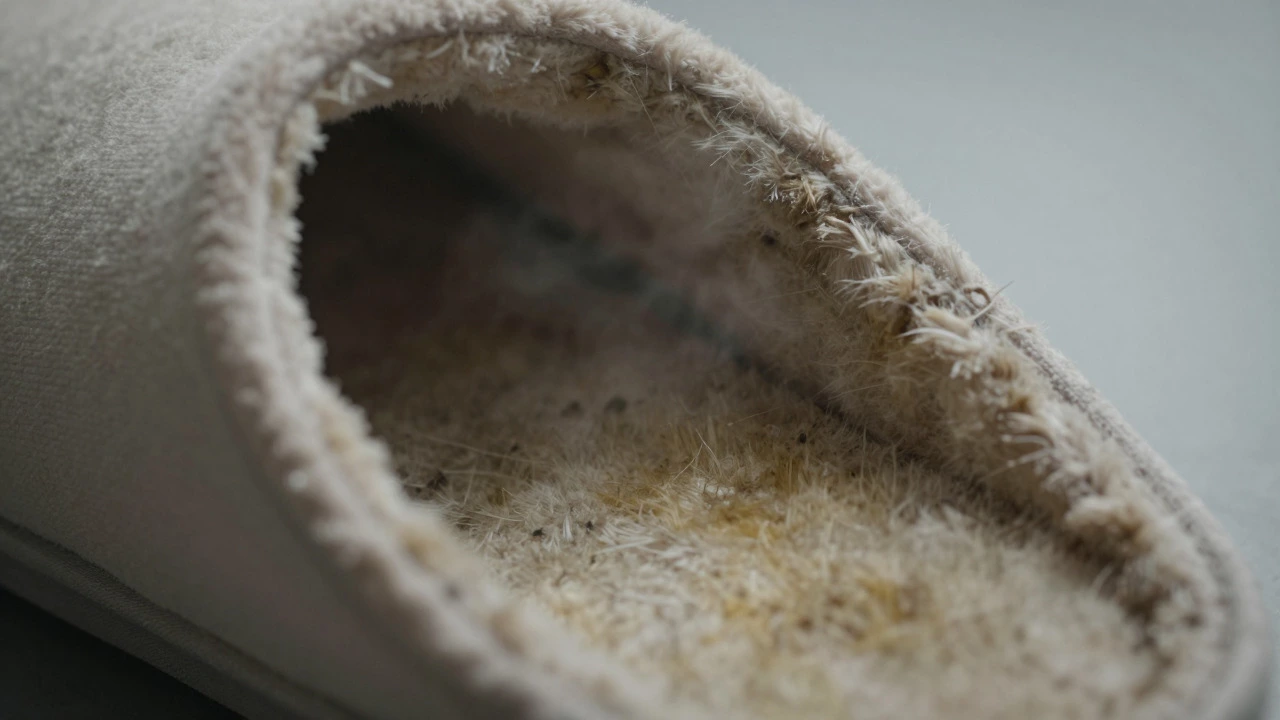
- Visible Stains or Mold: Check the inner lining. Yellowing or dark spots indicate moisture buildup, which promotes fungal growth like athlete’s foot.
- Slippery Soles Indoors: If the rubber outsole has worn smooth, you’re more likely to slip on hardwood or tile floors, especially if there’s a spill.
Cotton or wool slippers should be washed every two weeks if worn daily. However, once the fabric thins or the shape distorts, washing won’t fix the underlying structural loss. At that point, buying new slippers is the only way to ensure a hygienic environment for your feet.
Material-Specific Lifespans
Not all slippers last the same amount of time. The material determines how quickly they degrade. Understanding this helps you plan your purchases better.
| Material Type | Average Lifespan (Daily Use) | Key Failure Point |
|---|---|---|
| Crocs / Foam Clogs | 1-2 Years | Sole cracking, color fading |
| Plush / Fleece | 6-12 Months | Fabric pilling, loss of loft |
| Leather / Suede | 2-3 Years | Insole compression, sole separation |
| Rubber / PVC House Shoes | 1 Year | Cracking, odor retention |
For example, plush slippers offer immediate warmth but lack durability. The fibers mat down quickly, reducing insulation. On the other hand, leather house shoes provide excellent breathability and structure but require maintenance. If you live in a humid climate like Bristol, UK, where dampness is common, leather might retain moisture longer, accelerating wear unless conditioned regularly. Foam options are low-maintenance but degrade faster under constant pressure.
Seasonal Considerations for UK Residents
Living in the UK means dealing with unpredictable weather. Your slipper needs change with the seasons. In winter, you prioritize warmth and insulation. Plush-lined or shearling slippers are ideal. However, if you have central heating, your home might be too warm for heavy insulation, leading to sweaty feet. In this case, breathable cotton or wool blends are better choices, even in January.
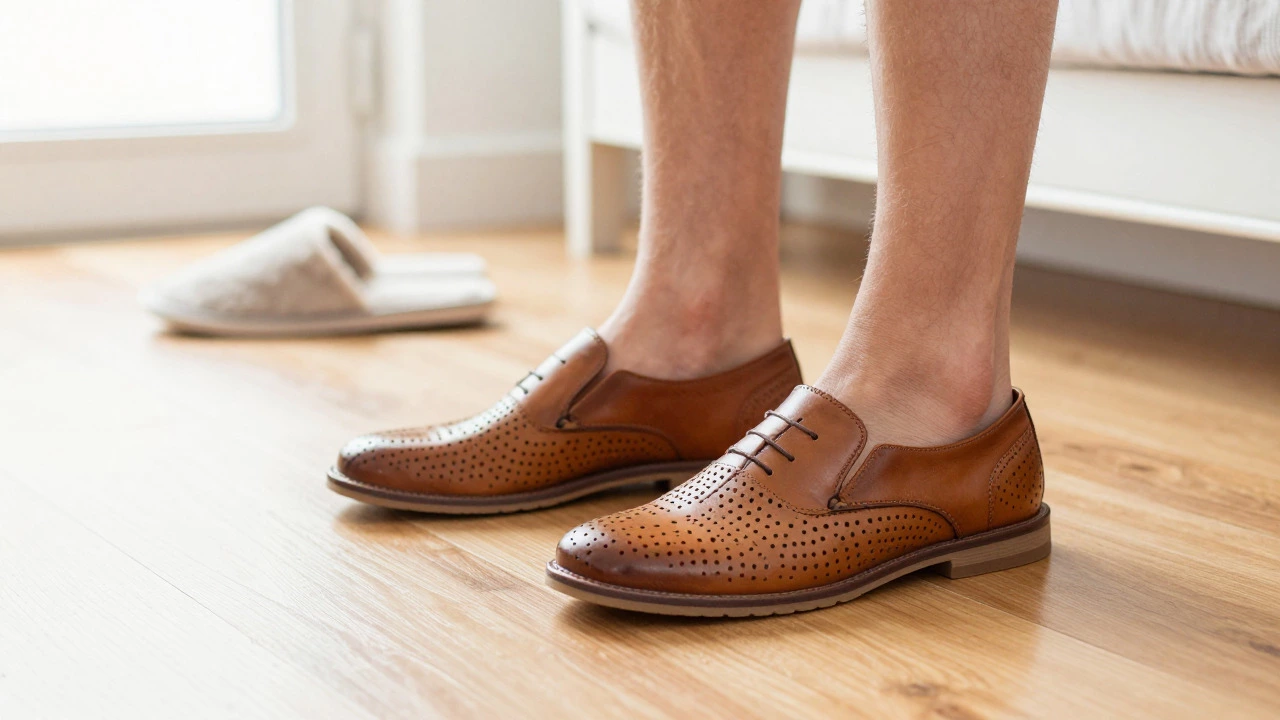
In summer, focus on airflow. Open-toe designs or perforated uppers prevent overheating. But here’s a tricky part: if you switch between seasonal pairs, you’re doubling your usage frequency per pair. This accelerates wear. Many people make the mistake of keeping one pair year-round. Instead, rotate between a warm winter pair and a light summer pair. This extends the life of both sets significantly.
Signs You Need a Specific Type Upgrade
Sometimes, it’s not just about age; it’s about fit and function. Have you noticed any of these issues?
- Blisters or Friction Marks: If your new blisters appear in the same spot every day, your current slippers don’t fit properly. They may be too narrow or have rough seams.
- Tightness After Walking: Feet swell throughout the day. If your slippers feel fine in the morning but tight by evening, they lack stretch or volume.
- Instability: If you catch your toe on the edge of the slipper, the sole is too thin or the heel counter is missing.
In these cases, buying new slippers isn’t just a refresh-it’s a corrective action. Look for features like adjustable straps, wider toe boxes, or non-slip grips. These small design elements make a huge difference in daily comfort.
How Often Should You Actually Replace Them?
There’s no single rule, but here’s a practical guideline based on usage patterns:
- Daily Wear (8+ hours): Replace every 6-12 months.
- Occasional Wear (Weekends/Guests): Replace every 1-2 years.
- Guest-Only Pair: Can last 3-5 years if kept dry and clean.
If you share your living space with others, consider having separate pairs to reduce cross-contamination. Also, if you have diabetes or circulation issues, consult a podiatrist before choosing new footwear. They may recommend specific orthotic inserts or supportive structures that standard slippers lack.
FAQ
Can I wash my slippers to extend their life?
Yes, for most fabrics. Machine-washable plush or cotton slippers should be cleaned every 2-4 weeks. Remove insoles if possible and air-dry them flat. Avoid tumble drying, as heat can warp foam soles and shrink elastic bands. For leather, wipe with a damp cloth and use conditioner monthly.
Are expensive slippers worth the investment?
Often, yes. Higher-priced brands typically use denser foams, better stitching, and durable soles. While a £10 pair might last 3 months, a £30 pair can last 18 months with proper care. Calculate the cost per wear rather than just the upfront price. If you value foot health, investing in quality pays off in fewer replacements and less pain.
What is the best material for people with sweaty feet?
Choose natural fibers like wool, cotton, or leather. These materials absorb moisture and allow airflow. Avoid synthetic plastics like PVC or cheap foam, which trap heat and sweat. Look for ventilated designs with holes or open toes to enhance airflow further.
Do slippers need to be replaced if they still look good?
Absolutely. Appearance is misleading. Internal components like insoles and arch supports degrade invisibly. If the sole feels hard or flat, or if you experience foot fatigue, replace them regardless of how they look. Function matters more than form when it comes to foot health.
How do I know if my slippers are too big or too small?
Your toes should have a little room to wiggle, but not slide forward when you walk. If your heels lift out of the back, they’re too loose. If your toes curl or press against the front, they’re too short. Try them on with the socks you typically wear indoors to get an accurate fit assessment.