What Makes a Suit Look Expensive: A Guide to Men's Tailoring
- Cleo Fairchild
- 8 October 2026
- 0 Comments
The Suit Quality Inspector
Use this tool to inspect a suit before buying. Check off each feature that meets the criteria for a high-quality garment.
1. Fabric Inspection
2. Construction Method
3. The Fit
4. Craftsmanship Details
Start Checking
Select the features present in the suit you are inspecting.
You walk into a high-end department store in Bristol or London, and you see two suits hanging side by side. One costs £300. The other costs £3,000. To the untrained eye, they look nearly identical-both are dark navy, both have lapels, both come with trousers. So what is the actual difference? Is it just the brand name on the label, or is there something tangible happening in the construction that screams "quality"?
Here is the truth: an expensive suit doesn't shout; it whispers. It’s about how the fabric moves, how the jacket holds its shape after you take it off, and how the buttons feel when you fasten them. You don’t need to spend thousands to get that look, but you do need to know what to look for. If you understand the mechanics of tailoring, you can spot quality instantly, whether you’re shopping at Savile Row or browsing online sales.
The Fabric Tells the Story First
Before you even check the stitching, run your hand over the cloth. This is where most people fail. Cheap suits often use synthetic blends like polyester mixed with wool. They might look okay under fluorescent shop lights, but they shine unnaturally and trap heat. High-quality suits rely on natural fibers, primarily Wool is a natural textile fiber obtained from sheep and other animals, prized for its durability, breathability, and ability to hold a sharp crease. But not all wool is created equal.
Look for Super numbers (like Super 110s or Super 150s). These indicate the fineness of the yarn. Higher numbers mean softer, lighter fabric, but beware: Super 180s and above are incredibly delicate. Unless you are wearing it once a month to a gala, stick to Super 110s through 130s. They offer the best balance of luxury and longevity. Also, check the weight. A good year-round suit weighs between 260g and 300g per meter. Anything lighter feels flimsy; anything heavier is too hot for most climates outside of deep winter.
Construction Methods: Canvas vs. Fused
This is the single biggest factor separating a £200 suit from a £2,000 one, yet it’s invisible unless you know how to test it. Most affordable suits are "fused." This means the inner layer of the jacket (the canvas) is glued directly to the outer fabric using heat-activated adhesive. Over time, especially if you dry-clean it frequently, that glue breaks down. The chest area starts to bubble or wrinkle, looking like a blistered skin condition.
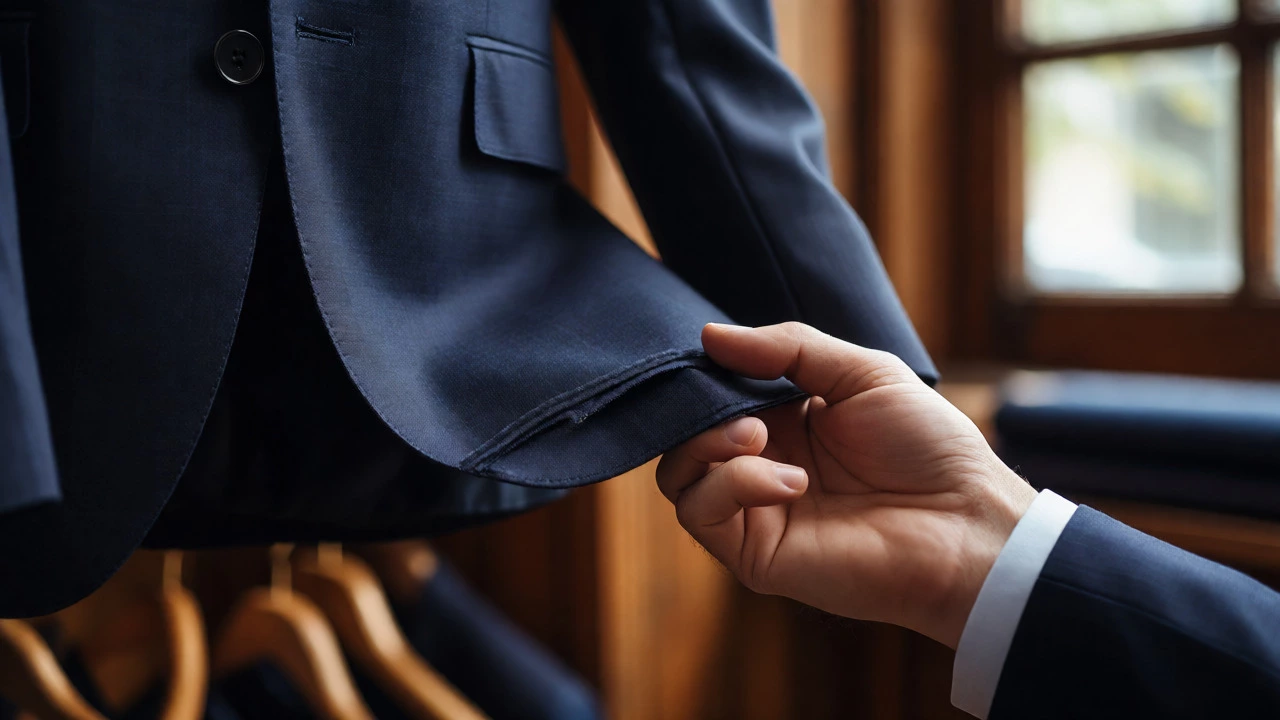
Expensive suits use a "floating canvas." This is a separate layer of horsehair and wool canvas stitched loosely between the lining and the outer fabric. It isn't glued. Because it floats, it allows the jacket to mold to your body over time, creating a custom fit without altering the structure. How do you test this? Pinch the bottom hem of the jacket and rub the front fabric against the back lining. If you feel a distinct third layer moving independently, you’ve found a floating canvas. If the layers feel stuck together as one thick sheet, it’s fused.
The Fit: Where Money Actually Shows
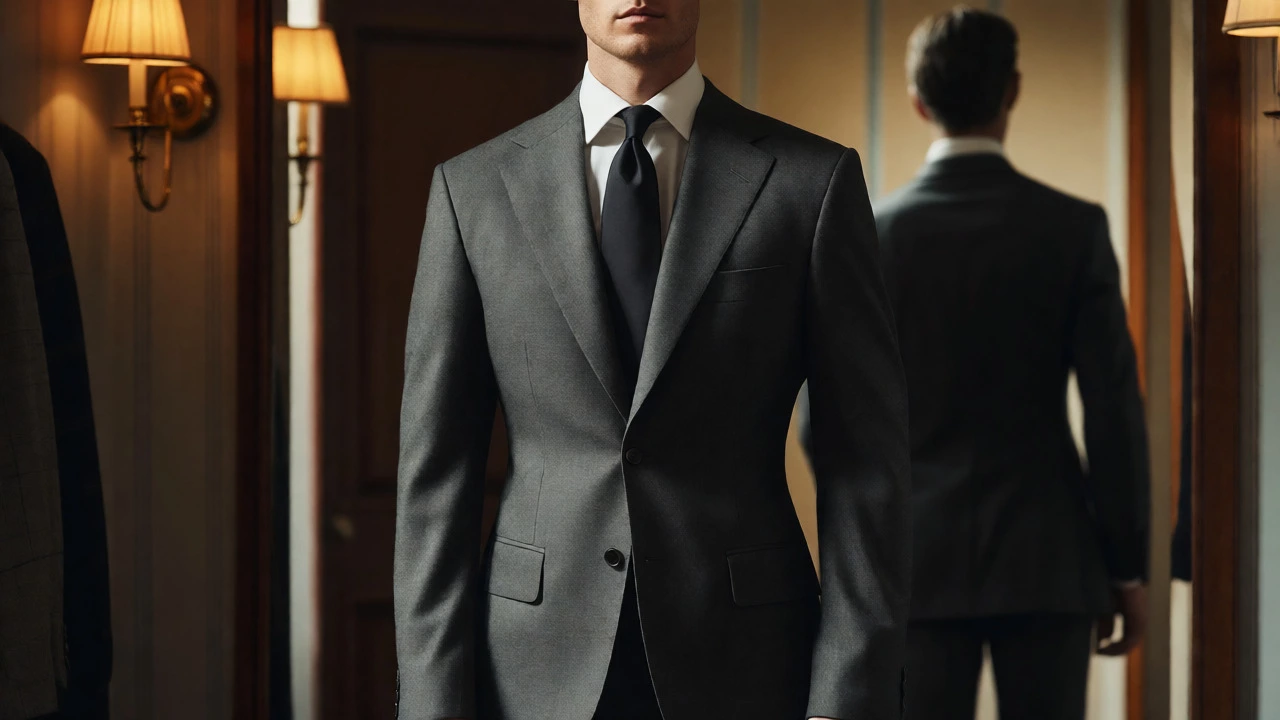
You can buy the finest Italian silk and ruin it with bad fit. Conversely, a mid-range suit tailored perfectly looks better than an off-the-rack designer piece. The goal is "silhouette," not tightness. A common mistake men make is buying jackets that are too small. If you button the top button and pull the sides, there should be no strain lines radiating from the buttons. If the fabric pulls taut across your stomach, size up.
Pay close attention to the shoulders. This is the hardest part to alter and the easiest place to waste money. The shoulder seam must end exactly where your natural shoulder ends. If it extends past your arm bone, you look sloppy. If it stops short, you look cramped. Once the shoulders fit, everything else is adjustable. A good tailor will taper the waist so the jacket follows your torso’s curve rather than hanging straight like a box. This creates the illusion of height and broad shoulders.
Details That Signal Craftsmanship
Once the big structural elements are right, zoom in on the details. These are the subtle cues that signal craftsmanship to those who know.
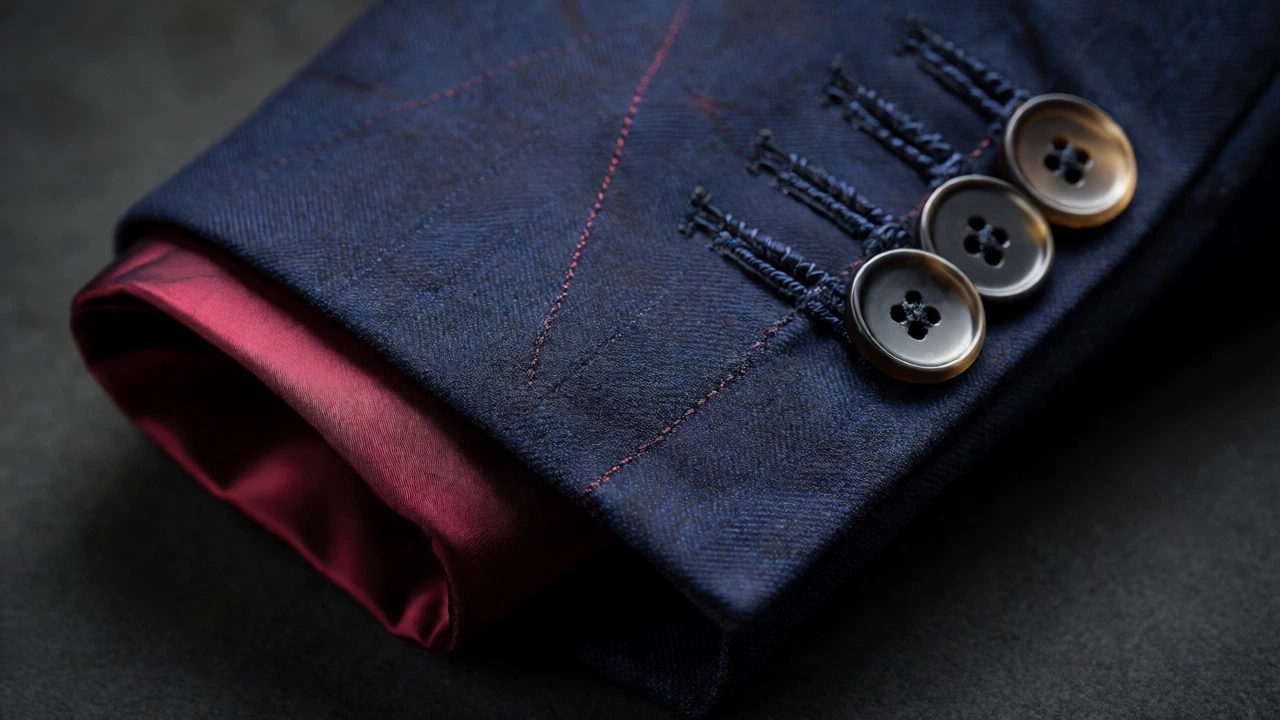
- Working Buttonholes: On cheap suits, the sleeve buttons are sewn shut purely for decoration. On high-end suits, they are functional. You can actually undo them to roll up your sleeves. This requires more thread and more time during manufacturing, which adds cost but proves the maker cared about utility.
- Lining Quality: Turn the jacket inside out. Cheap linings use slippery polyester that squeaks when you move. Premium suits use Bemberg cupro or silk. These materials breathe, preventing sweat buildup, and slide smoothly over your shirt.
- Pattern Matching: If you choose a striped or checked suit, check the seams. At the pocket flap, the stripe should align perfectly with the main body. Misaligned patterns are a hallmark of mass-production cutting, where speed mattered more than precision.
| Feature | Budget Suit (£100-£300) | Luxury Suit (£1,500+) |
|---|---|---|
| Canvas Type | Fused (Glued) | Full Floating Canvas |
| Fabric Content | Polyester/Wool Blend | 100% Wool or Silk/Wool |
| Sleeve Buttons | Sewn Shut (Decorative) | Functional (Surgeon's Cuffs) |
| Lining Material | Polyester | Bemberg Cupro or Silk |
| Stitching | Machine Only | Hand-Finished Details |
Why Brand Name Isn't Everything
Don't fall into the trap of thinking a logo makes a suit expensive. Some heritage brands charge a premium for history, not current quality. Conversely, some modern makers produce exceptional garments at lower prices because they skip the retail markup. Focus on the physical attributes we discussed: the drape of the fabric, the integrity of the canvas, and the precision of the cut.
Also, consider the source. Italian Suits are known for their soft construction, lightweight fabrics, and elegant draping, often associated with cities like Naples and Milan tend to be more casual and comfortable. British suits are structured, stiff, and formal. Neither is "better," but choosing the wrong style for your lifestyle makes even an expensive suit look awkward. If you live in a humid climate, a heavy, structured British suit will make you miserable, regardless of its price tag.
Care Matters More Than Cost
Finally, an expensive suit looks expensive only if it’s maintained. Dry cleaning is harsh. The chemicals strip natural oils from the wool, causing it to become brittle and fade. Do you really need to dry clean after every wear? No. Spot clean minor stains. Use a garment brush to remove dust after each day. Let the suit air out for 24 hours before wearing it again. This simple habit extends the life of your wardrobe significantly. A well-cared-for £400 suit will always look richer than a neglected £2,000 one.
Buying a suit is an investment in your image. You don't need to buy the most expensive option available. You need to buy the best constructed option within your budget. Prioritize fit over brand, natural fibers over synthetics, and floating canvases over glue. Do that, and you’ll master the art of looking effortlessly polished.
How can I tell if a suit has a floating canvas?
Pinch the bottom hem of the jacket between your thumb and finger. Gently rub the outer fabric against the inner lining. If you feel a distinct, separate layer sliding between the two, it is a floating canvas. If the layers feel bonded together as a single unit, it is likely fused.
Is a higher Super number always better for a suit?
Not necessarily. While higher numbers (like Super 150s or 180s) indicate finer, softer yarns, they also indicate less durability. For daily wear, Super 110s to 130s offer the best balance of luxury, comfort, and resistance to wrinkles and abrasion.
Should I worry about polyester in a suit?
Yes, generally. Polyester does not breathe, leading to sweating and discomfort. It also tends to shine under light and holds odors longer than natural fibers. Small amounts (under 10%) may add stretch, but 100% wool is preferred for a classic, expensive look.
Do working buttonholes matter?
They are a sign of quality construction because they require more labor to create. Functionally, they allow you to roll up your sleeves neatly. However, many people never open them, so while they signal craftsmanship, they are not essential for the suit's appearance.
How often should I dry clean my suit?
Rarely. Aim for twice a year or only when visibly stained. Frequent dry cleaning damages wool fibers and fades color. Instead, brush your suit after each wear and let it air out to refresh the fabric naturally.