What Is Warmer: A Jacket or a Coat? The Definitive Guide to Winter Layers
- Cleo Fairchild
- 13 August 2026
- 0 Comments
Winter Outerwear Warmth Calculator
Garment Configuration
Warmth Analysis
Why this works:
High-fill down provides exceptional warmth-to-weight ratio. The long coat length protects legs from wind chill, making it ideal for sedentary activities in dry cold.
- ✔ Excellent air trapping capability
- ✔ Maximum coverage area
You’re standing outside in the biting cold, shivering, wondering if your current outer layer is actually doing its job. You’ve heard people say coats are warmer than jackets, but you’ve also seen heavy-duty hiking gear labeled as "jackets" that keep mountaineers alive at sub-zero temperatures. So, what is really warmer: a jacket or a coat?
The short answer is that it depends entirely on construction, not just the name tag. However, generally speaking, a coat is designed for maximum warmth and protection against severe weather, while a jacket is built for versatility and mobility. But this rule has massive exceptions. To stop guessing and start staying warm, we need to look at how these garments are engineered.
Defining the Difference: Length and Structure
Before we talk about heat retention, we have to define what we are looking at. In the fashion and functional wear industry, the primary difference between a jacket and a coat is length and weight.
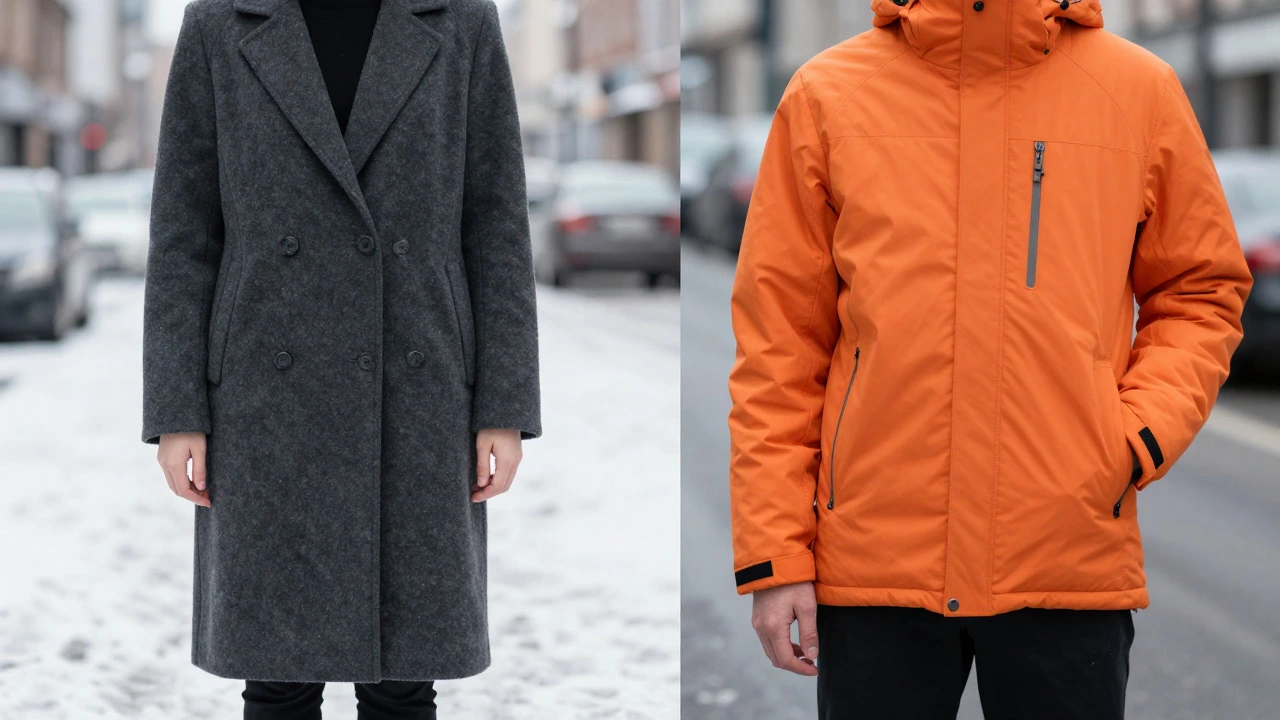
A coat is typically defined as an outer garment that extends below the hips, often reaching the knees or ankles. This extra fabric coverage is crucial. It protects your thighs and knees from wind chill, which is a major source of heat loss. Think of a trench coat, a pea coat, or a long wool overcoat. These are heavy, structured pieces meant to be the final layer of defense against the elements.
A jacket is a shorter outer garment that usually ends at the waist or hip line. Jackets are lighter, more flexible, and designed for active use. A denim jacket, a bomber jacket, or a softshell shell all fall into this category. Because they are shorter, they allow for greater range of motion, making them ideal for driving, cycling, or hiking.
However, length alone doesn't determine warmth. A thin cotton coat will leave you freezing in -5°C (23°F), while a heavily insulated parka-style jacket can keep you comfortable in -20°C (-4°F). The real battle for warmth happens inside the layers.
The Science of Warmth: Insulation and Materials
If you want to know which garment is warmer, you have to ignore the label and look at the fill power and fabric density. Warmth is generated by trapping your body heat and preventing cold air from entering. Two main factors drive this: insulation type and shell material.
Down insulation is the gold standard for warmth-to-weight ratio, made from the fluffy undercoating of ducks or geese. High-quality down with a fill power of 600 or higher traps immense amounts of air. A down-filled jacket, even if it’s short, can be significantly warmer than a single-layer wool coat. This is why alpinists wear down jackets; they need maximum warmth without the bulk that restricts movement.
Synthetic insulation, such as PrimaLoft or Thinsulate, offers consistent warmth even when wet. Unlike down, which clumps up and loses effectiveness when damp, synthetic fibers maintain their structure. This makes synthetic-lined jackets incredibly reliable for wet, windy climates like the UK.
On the other hand, traditional coats often rely on wool or heavy cotton blends for warmth. Wool is naturally insulating and breathable, but it lacks the loft (air-trapping ability) of down. A standard wool coat might feel warm in mild autumn weather, but it will struggle against deep winter freezes unless it is lined with fleece or quilted padding.
| Material Type | Warmth Rating | Weight | Best For |
|---|---|---|---|
| High-Fill Down | Very High | Light | Dry cold, extreme temperatures |
| Synthetic Fill | High | Medium | Wet cold, active use |
| Heavy Wool | Medium | Heavy | Mild cold, formal settings |
| Denim/Cotton | Low | Medium | Spring/Autumn, style only |
When Is a Coat Warmer Than a Jacket?
A coat wins the warmth contest when the threat is wind and prolonged exposure rather than just low temperature. The extended length of a coat acts as a barrier against wind chill hitting your legs. If you are standing still-waiting for a bus, walking to work in a city center-a long coat provides a larger surface area for heat retention.
Consider a trench coat or a wool overcoat. While they may not have thick down filling, their dense weave blocks wind effectively. When paired with thermal layers underneath, a long coat creates a microclimate around your torso and upper legs. This is particularly effective in urban environments where you aren’t generating much body heat through movement.
Furthermore, many modern coats come with removable liners. A reversible coat with a fleece or down liner can outperform most standalone jackets. The key here is the combination of length (coverage) and internal insulation (heat trapping).
When Is a Jacket Warmer Than a Coat?
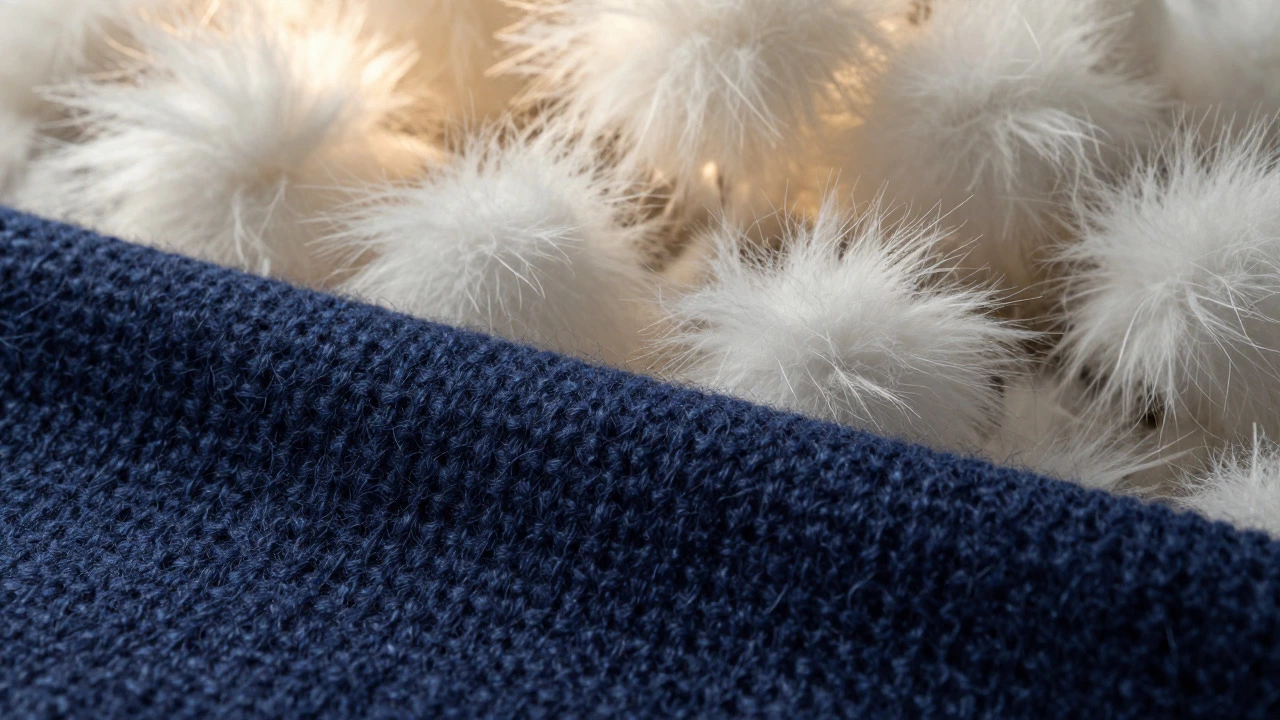
Counterintuitively, a jacket can be warmer than a coat in specific scenarios. This usually happens when the jacket is technically a "parka" or an "expedition jacket." These garments are designed for extreme conditions where mobility is essential.
A down parka is a type of jacket that often features a fur-lined hood, heavy-duty waterproof shell, and high-loft down insulation. Even though it might end at the mid-thigh, its insulation density is far superior to a fashionable wool coat. The hood alone makes a massive difference; losing heat through your head is a significant factor in feeling cold. Many coats lack substantial hoods, while technical jackets prioritize them.
Additionally, jackets often feature better sealing mechanisms. Storm flaps, adjustable cuffs, and hem drawcords prevent cold air from sneaking in. A loose-fitting coat might let wind draft up from the bottom, negating its length advantage. If you are active-walking fast, running, or working outdoors-a well-sealed, highly insulated jacket will keep you warmer because it manages moisture and wind better than a bulky coat.
The Layering Strategy: Why You Don't Have to Choose
The best way to stay warm isn't to pick one garment, but to understand layering. The "three-layer system" used by outdoor experts applies to everyday life too.
- Base Layer: Moisture-wicking fabric (merino wool or synthetic) next to your skin.
- Middle Layer: Insulation (fleece, down vest, or sweater) to trap heat.
- Outer Layer: Protection from wind and rain (your jacket or coat).
If you wear a thin jacket over multiple warm layers, it can be warmer than a single thick coat worn over a t-shirt. The jacket acts as a windbreaker, protecting the insulating air pockets created by your middle layers. Conversely, a coat can serve as both the middle and outer layer if it is sufficiently padded.
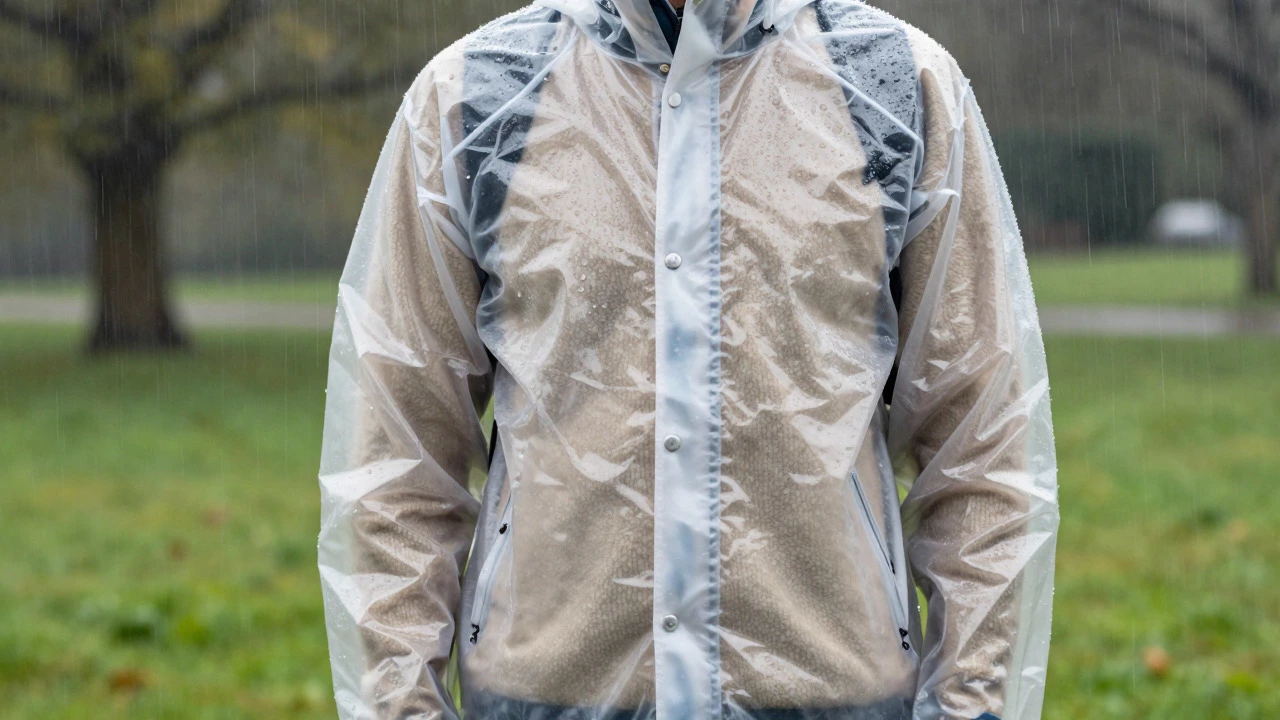
In Bristol, where rain is frequent and temperatures rarely drop below zero, a water-resistant jacket with synthetic insulation is often more practical than a heavy wool coat. The coat absorbs moisture and becomes heavy, while the jacket sheds water and keeps you dry-and dryness equals warmth.
How to Choose the Right Garment for Your Climate
Your location dictates your choice. If you live in a place with dry, bitter cold (like parts of Canada or Scandinavia), a long down coat is unbeatable. The length protects against snow drift, and the down handles the dry freeze perfectly.
If you live in a wet, moderate climate (like the UK, Pacific Northwest, or Northern Europe), prioritize waterproofing and breathability. A Gore-Tex shell jacket with a removable synthetic liner will outperform a wool coat every time. Wet wool is heavy and loses some insulating properties, whereas a technical jacket keeps the elements off completely.
For urban commuters who spend time indoors, a stylish wool-blend coat is preferable. It transitions easily from street to office without overheating you. A heavy puffer jacket can make you sweat in heated buildings, leading to discomfort later.
Common Mistakes to Avoid
One common error is assuming that thickness equals warmth. A thick cotton coat looks substantial but offers poor insulation compared to a thin down jacket. Always check the fill power for down or the gram weight for synthetics.
Another mistake is ignoring fit. A coat that is too tight compresses the insulation, reducing its ability to trap air. Conversely, a jacket that is too loose allows cold air to circulate freely around your body. Look for adjustable features like cinch straps at the waist and hem to customize the fit.
Finally, don't neglect extremities. No matter how warm your jacket or coat is, cold hands and feet will make you feel frozen. Invest in good gloves and thermal socks instead of overspending on an overly complex outer layer.
Is a parka considered a jacket or a coat?
A parka is technically a type of jacket, specifically a long, warm jacket. While it shares characteristics with coats due to its length (often reaching the thighs), it is classified as a jacket because of its functional design, including hoods, storm flaps, and heavy insulation intended for extreme weather rather than formal wear.
Which is warmer: a puffer jacket or a wool coat?
In terms of pure heat retention, a high-quality puffer jacket filled with down or synthetic insulation is generally warmer than a standard wool coat. Puffer jackets are designed specifically to trap body heat efficiently. However, a wool coat provides better wind resistance due to its dense fabric and longer length, which can make it feel warmer in windy conditions if the temperature isn't extremely low.
Can a jacket be warmer than a coat?
Yes, absolutely. Warmth is determined by insulation quality and wind protection, not just length. A heavily insulated expedition jacket with a hood and sealed seams can be much warmer than a lightweight, unlined trench coat. The key is looking at the materials inside the garment rather than its external classification.
What should I look for in a winter jacket for wet weather?
For wet weather, prioritize a waterproof and breathable shell material like Gore-Tex or similar membranes. Look for taped seams to prevent water leakage and synthetic insulation (like PrimaLoft) which retains warmth even when damp. Avoid down insulation unless it is treated with a water-resistant coating, as untreated down loses its insulating properties when wet.
Why do long coats feel colder sometimes?
Long coats can feel colder if they are made from thin materials or lack proper lining. Additionally, if the coat is not windproof, drafts can enter from the bottom, creating a chilling effect. Without sufficient insulation, the length alone does not generate warmth; it only covers more skin. Proper layering underneath is essential to maximize the warmth of a long coat.