Is 80 Degrees Too Hot for a Sweater? A Warm Weather Guide

- Cleo Fairchild
- 26 March 2026
- 0 Comments
Sweater Suitability Checker
Set Your Scenario
Verdict
Run Calculation
Enter your details above to see how your clothing choice will perform in the heat.
When you see that forecast predict 80 degrees a temperature measurement often referring to 80°F (approximately 27°C), your mind probably jumps straight to t-shirts and shorts. It makes sense; that is classic warm spring or summer weather. Yet, here we are, wondering if pulling on a sweater or hoodie is madness or manageable style. The short answer is: it depends entirely on what you call a Sweater a knitted garment designed for warmth, typically covering the upper body and exactly what you are planning to do. If you are talking about a thick wool pullover worn over a flannel shirt while walking a dog in direct sunlight, then yes, absolutely. That is a recipe for overheating. However, if you are talking about a light cotton cardigan or a thin synthetic hoodie while sitting in an air-conditioned car or evening breeze, you might just get away with it.
We have to clear up one massive point of confusion right before moving on. When people ask this question, they almost always mean 80 degrees Fahrenheit. In the United States and other regions using Imperial measurements, 80°F is the sweet spot where the sun feels good, but the shadow feels cool. For our friends reading in metric zones, that converts to about 26.5 to 27 degrees Celsius. You generally wouldn't ask this about 80 degrees Celsius-that is lava-or 80 degrees Kelvin-that is deep space cold. Keeping this unit conversion in mind helps us talk about the same physical reality. We are discussing a day that feels distinctly summery, perhaps the kind of late afternoon heat where the pavement radiates warmth upwards.
Understanding Fabric Weight and Breathability
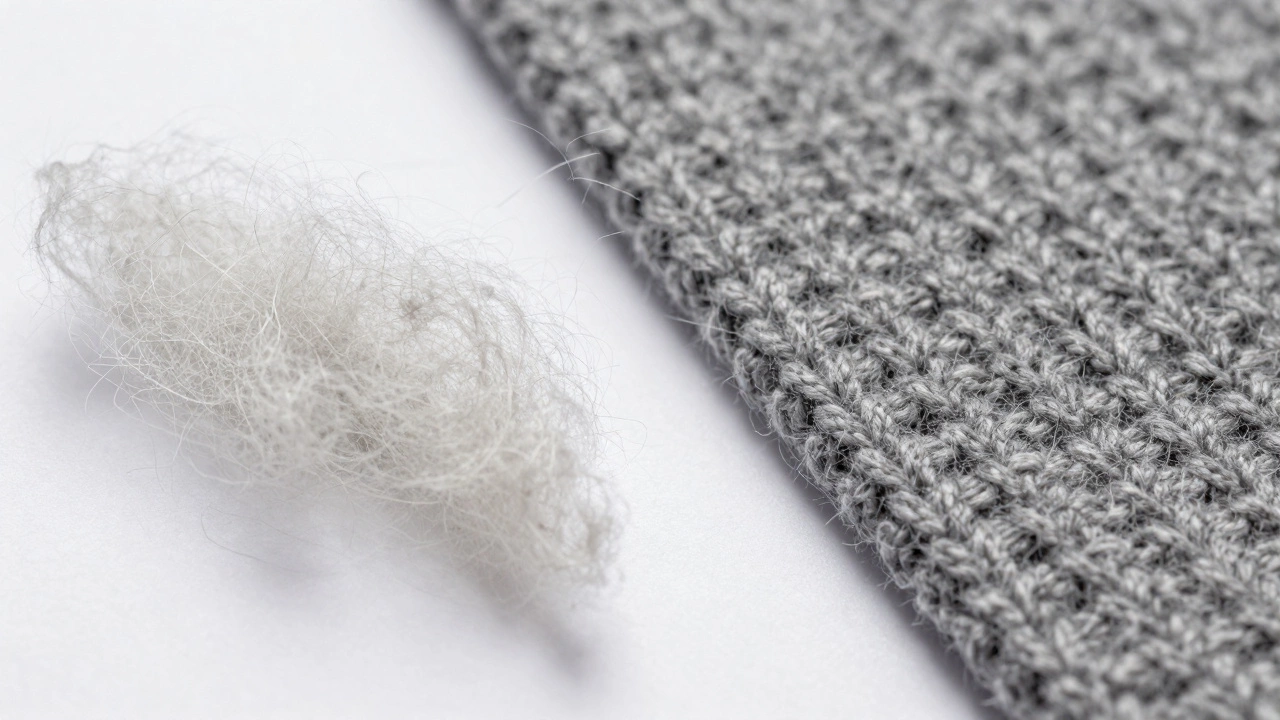
The first reason you might survive a sweater at this temperature isn't magic; it is textiles. Not all knitted garments are created equal. A chunky cable-knit cashmere sweater weighs significantly more than a lightweight waffle-knit jersey top. You need to look at the "grams per square meter" (GSM) rating if you want the technical truth, but most of us rely on touch. Hold the fabric against your cheek. Does it feel soft and thin, or stiff and dense? That texture tells you more than the label does. Thick fabrics trap body heat near the skin, preventing evaporation. If your sweat cannot evaporate, your internal cooling system fails, regardless of the wind speed.
Materials play a huge role here. Cotton a natural fiber known for breathability and absorbency is generally safe for higher temperatures because it allows air to pass through the weave. It absorbs moisture well, though it gets heavy when wet. Synthetic blends, specifically Polyester a synthetic polymer used widely in apparel manufacturing, vary wildly. Performance polyester is engineered to wick sweat away from the skin, making it great for active days in the heat. Standard cheap polyester, however, acts like plastic wrap-it traps heat and smells bad. Wool is another wild card. Merino wool is incredibly breathable and regulates temperature, so a fine merino sweater in 80-degree weather can actually feel cooler than a cotton t-shirt because it manages moisture far better than any natural plant fiber.
| Fabric Type | Comfort Level at 80°F | Best Use Case |
|---|---|---|
| Heavy Cotton Sweater | Uncomfortable | Morning only (if sunny) |
| Lightweight Cotton/Knit | Acceptable | Indoors with AC or Evening |
| Merino Wool | Good | Hiking or Active Use |
| Performance Fleece | Moderate | Shade Walking or Car Ride |
| Wool/Cashmere Blend | Poor | Avoid unless Air Conditioned |
The Hoodie Variable
If we shift the conversation specifically to Hoodies a casual sweatshirt with an attached hood for head coverage, the situation becomes more restrictive. Hoodies are traditionally made of fleece back cotton or french terry. These materials are designed to retain warmth during colder months. Adding a hood changes the physics of how your head cools down. Humans lose a significant amount of heat through their heads and neck area. Placing a cap of fabric there creates a pocket of warm air that sits directly under the hairline. In 80-degree weather, that extra layer acts like a small sauna for your brain. Unless you are hanging out in a freezing climate-controlled building, wearing a full hood up is rarely comfortable.
However, style matters. You can pull off a hoodie in the 80s if the fit is oversized. Tight fabrics press against your skin and transfer heat faster. An oversized cut allows for airflow between your skin and the shirt, creating a ventilation channel. Think of it as a chimney effect-hot air rises and escapes through the bottom hem. Also, color plays a part. Dark blacks and navys absorb infrared radiation from the sun. If you are outside, a black hoodie at 80 degrees will physically heat up the fabric itself above the ambient air temperature. Stick to white, grey, or pastels to reflect the light and stay relatively cooler.
Context: Where Are You Standing?
It is impossible to give a definitive "yes" or "no" without asking where your feet are planted. Is it 80 degrees in open sunlight, or 80 degrees in a shaded courtyard? The difference in perceived temperature is massive. Direct sunlight increases the effective temperature index by up to 15 degrees due to radiant heating. If you are parked in traffic waiting for a ride, sitting inside a hot vehicle, that is different from being on a breezy lakefront. Wind chill works in reverse too. A gentle breeze on your arm helps evaporative cooling. Without movement or wind, that sweater becomes insulating, meaning it keeps your body's own heat trapped.
Humidity is the silent killer here. 80 degrees dry heat in Arizona feels very different from 80 degrees humid heat in Florida or the UK. High humidity stops sweat from turning into vapor. Your body produces sweat to cool down, but if the air is already saturated with water, that liquid stays on your skin, making you feel clammy and sticky rather than cool. In high humidity, even a light shirt can feel suffocating because the moisture barrier never breaks.
Activity Levels Matter
Are you going to be stationary or moving? If you are sitting at a desk, your metabolic rate is low, producing less internal heat. You might manage a light layer easily. If you plan to walk three miles, climb stairs, or jog, your body generates significant thermal energy. Wearing layers during cardio at 80 degrees is essentially a stress test for your heart rate. Your core temperature rises, your heart beats faster to pump blood to the skin, and you risk dehydration quicker than you realize. For athletic activity, switch to technical athletic gear. For sedentary activities, a stylish light knit might pass as long as you aren't sweating profusely.
Alternatives and Transitional Layers
So, what do you do if you really love that look or need that specific garment? The answer lies in layering intelligently. Don't wear the sweater alone. Wear it over a tank top that you can tie around your waist once the temperature spikes. This gives you a transition option. Another trick is the "denim jacket rule." Sometimes a woven fabric feels cooler than a knit fabric because the weave is looser. Denim, despite looking heavy, breathes differently than fleece. Alternatively, find a vest. Removing the sleeves instantly lowers the surface area of insulation around your arms. You keep the torso covered for style or a blustery breeze without trapping heat in your joints.

Health Considerations and Safety
You shouldn't ignore how your body signals distress. Heat exhaustion starts quietly. Dizziness, headache, and sudden nausea are signs that the garment choice was wrong. Do not pride yourself on "toughing it out." The fabric might hold up, but your physiology has limits. Children and elderly people regulate temperature less efficiently. If you are dressing others, err on the side of caution with lighter fabrics. If you have circulation issues or take certain medications that affect thirst or sweating, avoid heavy layers entirely at these temperatures.
Practical Checklist for Decision Making
Before you leave the house, run through this mental checklist to decide if the sweater goes in the suitcase or stays on the floor:
- Check the Humidity: Is the dew point high? If sweat isn't drying, skip the layers.
- Test the Texture: Rub the fabric. Is it rough/stiff or silky/smooth? Smooth usually means better airflow.
- Assess the Sun: Will you be indoors for most of the time? Air conditioning makes anything viable.
- Verify the Color: Dark colors absorb more heat radiation. Choose light tones.
- Plan the Exit: Can you unzip or unbutton it quickly? Having an easy way to shed layers is key.
Ultimately, 80 degrees sits right on that cusp of comfort for many people. Some consider it a perfect shirt-sleeve day, while others still think jackets are mandatory depending on personal cold sensitivity. There is no strict law, only thermodynamics. The smartest move is bringing a versatile piece. If you anticipate a drop in temperature in the evening-a common occurrence in places like Bristol where the heat vanishes after sunset-having a light hoodie available is actually a good strategy. Wear it when the sun dips, stash it when the peak heat hits.
Can I wear a hoodie if it's 80°F outside?
You can wear a hoodie if it is made of lightweight cotton or performance material, but you will likely regret it in direct sunlight. Avoid thick fleece. If you are staying indoors or in the shade, a thin hoodie works fine.
What is the best fabric for sweaters in warm weather?
Fine-gauge Merino wool or lightweight linen-cotton blends are best. They breathe exceptionally well and manage moisture better than standard acrylic or heavy wool sweaters.
Does color affect how hot I feel in a sweater?
Yes, significantly. Black and dark navy absorb solar radiation and heat up the fabric itself. White and pastel colors reflect sunlight, keeping the material cooler against your skin.
Is it safe to exercise in a sweater at 80 degrees?
It is generally not recommended. Exercise raises your core body temperature naturally. Adding insulation like a sweater increases the risk of overheating and dehydration quickly.
How do I know if my sweater is too heavy?
Check the thickness by pinching the fabric. If you can see light through it easily, it is likely breathable. If you cannot see your fingers clearly behind the knit, it is too heavy for 80-degree weather.