What Is Sportswear Also Known As? Common Terms and What They Mean
- Cleo Fairchild
- 11 January 2026
- 0 Comments
Sportswear Term Quiz
How much do you know about sportswear terminology?
Test your knowledge of the different terms used for clothing designed for physical activity
Your Results
When you grab a pair of leggings and a moisture-wicking top before heading to the gym, you’re wearing sportswear. But if you’ve ever heard someone call it activewear or athletic wear, you might wonder - are these the same thing? The short answer: yes, mostly. But the details matter, especially if you’re shopping, writing about fashion, or just trying to sound like you know what you’re talking about.
What Exactly Is Sportswear?
Sportswear is clothing designed for physical activity. That includes everything from running shorts and yoga pants to basketball jerseys and swimming suits. It’s built to move with you, not against you. The fabric stretches, breathes, and dries fast. Zippers, seams, and fits are all engineered for comfort during sweat, speed, or strength.
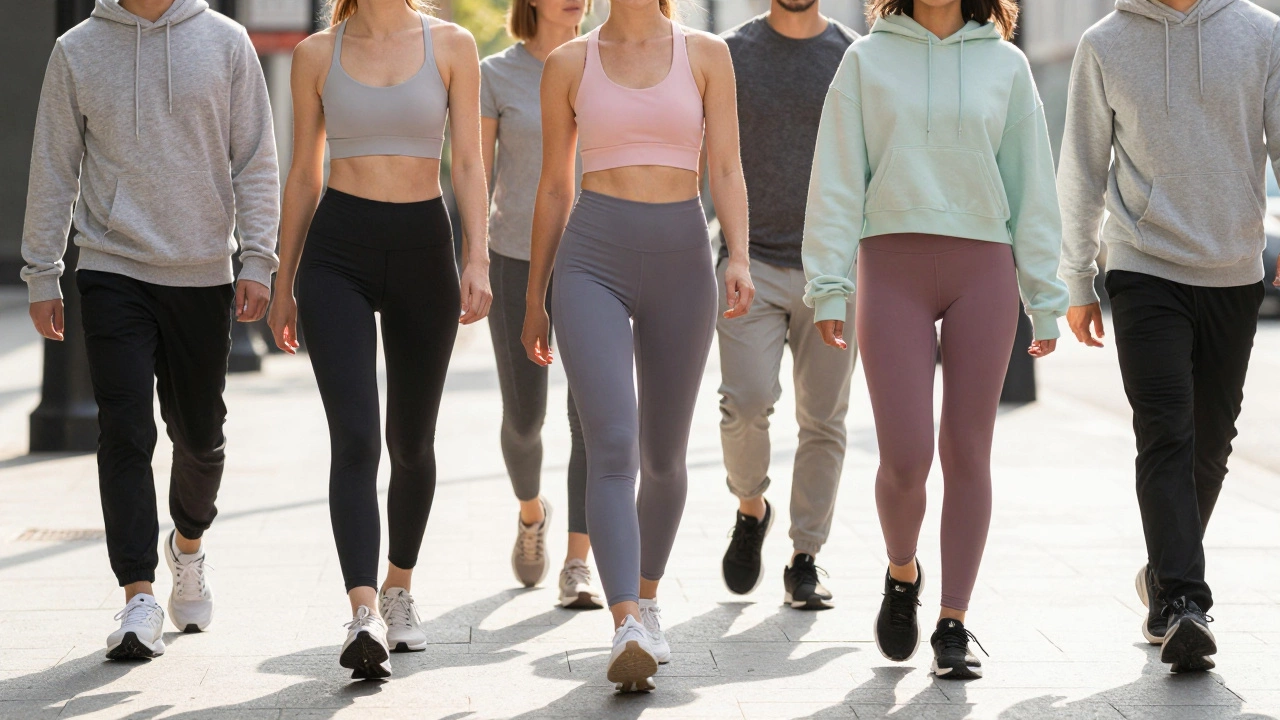
It’s not just for athletes, though. Most people who wear sportswear today aren’t competing in marathons. They’re commuting, working from home, or running errands. That’s why the lines between gym gear and everyday clothes have blurred - and why you’ll hear different names for the same thing.
Activewear: The Broader Term
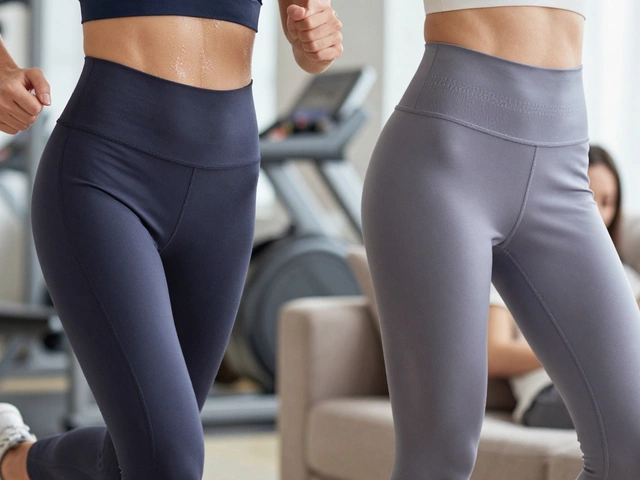
If you walk into a store and see a section labeled activewear, you’re seeing the umbrella term. Activewear covers sportswear but also includes clothing meant for light movement or lifestyle use. Think of a pair of high-waisted leggings worn to the coffee shop, or a zip-up hoodie you wear on weekend hikes. These aren’t necessarily for intense workouts, but they’re still functional, comfortable, and designed with performance fabrics.
Activewear became popular in the 2010s as people started valuing comfort without sacrificing style. Brands like Lululemon, Athleta, and Nike didn’t just sell gear for the track - they sold a lifestyle. That’s why you’ll often see the words sportswear and activewear used interchangeably now. But technically, all sportswear is activewear, but not all activewear is sportswear.
Athletic Wear: The Traditional Label
Athletic wear is the older, more straightforward term. It was used back when people wore sweatpants and cotton T-shirts to the gym. Back then, performance wasn’t the focus - visibility was. If you were playing soccer or lifting weights, you wore gear labeled for that sport.
Today, athletic wear still pops up in catalogs and retail sections, especially in stores targeting traditional sports like baseball, tennis, or track and field. It often implies gear designed for specific activities: cleats for soccer, padded shorts for cycling, or compression sleeves for runners.
Some people still use athletic wear to mean gear meant for actual competition, while sportswear is more casual. But in most everyday contexts, the difference is tiny.
Gym Wear: The Simplest Name
If you’re talking to a friend who just started working out, they’re probably going to say gym wear. It’s direct. No fluff. It means the clothes you put on when you go to the gym - leggings, tank tops, sneakers, sports bras.
It’s the most narrow term of the bunch. Gym wear doesn’t usually include hiking boots or swimwear. It’s focused on indoor, equipment-based workouts. But because so many people use the gym as their main form of exercise, gym wear has become a common synonym for sportswear in casual speech.
Performance Clothing: The Technical Side
When brands talk about performance clothing, they’re talking about the science behind the fabric. This isn’t just about looking good - it’s about how the material manages moisture, regulates temperature, reduces friction, and supports muscles.
Performance clothing often includes technical features like:
- Moisture-wicking polyester blends
- Compression zones for muscle support
- UV protection (UPF 50+)
- Seamless construction to prevent chafing
- Odor-resistant treatments
Brands like Under Armour, Adidas Primeblue, and Lululemon’s Everlux fabric all market themselves as performance wear. If you’re serious about training - whether you’re a runner, CrossFitter, or cyclist - you’ll care about this category. It’s sportswear, but with engineering behind it.
Why Do So Many Names Exist?
The reason there are so many terms is simple: marketing. Retailers want to sound fresh. Brands want to stand out. Consumers want to feel like they’re buying something smarter than just “a T-shirt.”
Here’s how the terms overlap:
| Term | Primary Use | Focus | Typical Audience |
|---|---|---|---|
| Sportswear | General term | Functionality for exercise | Everyone who moves |
| Activewear | Lifestyle + light activity | Comfort and style | Urban professionals, casual exercisers |
| Athletic Wear | Traditional sports | Performance for specific sports | Athletes, coaches, competitive users |
| Gym Wear | Indoor workouts | Basic comfort | New gym-goers |
| Performance Clothing | High-intensity training | Technical fabric science | Trainers, endurance athletes |
Think of it like this: sportswear is the family name. Activewear is the cousin who shows up to parties in yoga pants. Performance clothing is the athlete cousin who trains for the Olympics. And gym wear? That’s your friend who just bought their first pair of leggings.

Does the Name Matter When You’re Buying?
Not really - unless you’re looking for something specific.
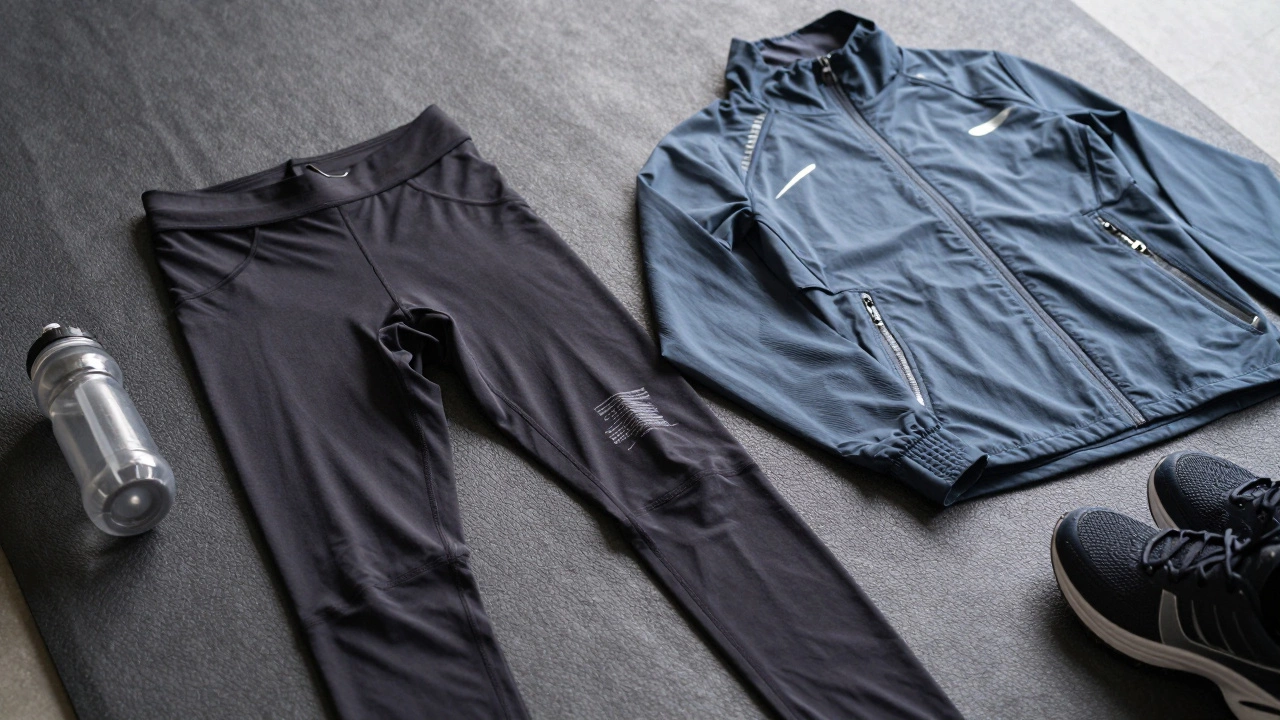
If you want leggings that won’t ride up during squats, look for compression or gym wear with a high waistband. If you’re buying a jacket for morning runs in the rain, search for performance clothing with waterproofing. If you just want something comfy to wear while you work from home, activewear is the keyword.
Most online stores group them all under one section called Activewear now. Even Nike’s website calls it that. So if you’re shopping, don’t get hung up on the label. Look at the fabric, the fit, and what the product description says about movement and sweat.
What About Other Terms Like ‘Workout Clothes’ or ‘Training Gear’?
Yes, you’ll hear those too. Workout clothes is just another casual synonym for gym wear. Training gear often implies heavier equipment use - think weightlifting belts, knee sleeves, or grip gloves. These aren’t wrong - they’re just more specific.
There’s no official rulebook. Language changes based on how people use it. And right now, sportswear and activewear are the two most common terms you’ll see in stores, ads, and fashion blogs.
Bottom Line
Sportswear is also known as activewear, athletic wear, gym wear, and performance clothing - depending on context. They’re not all the same, but they overlap enough that you can use them interchangeably in most conversations.
For everyday use, activewear is the most widely accepted term. It’s modern, inclusive, and covers everything from yoga pants to running jackets. If you’re talking to a designer or a brand, they might use performance clothing to highlight tech features. If you’re just trying to get dressed before your workout, say gym wear - no one will correct you.
The real key isn’t the name. It’s whether the clothes let you move freely, stay dry, and feel confident. That’s what matters - not the label on the tag.
Is activewear the same as sportswear?
Activewear is a broader term that includes sportswear. All sportswear is activewear, but not all activewear is meant for intense workouts. Activewear covers clothes worn for light movement, like walking or working from home, while sportswear is specifically designed for physical activity.
Can I wear sportswear as everyday clothing?
Yes, absolutely. In fact, that’s one of the biggest trends in fashion since 2015. Leggings, hoodies, and athletic tops are now common in casual settings like coffee shops, grocery stores, and even offices. The key is choosing pieces that fit well and look polished - not just sweaty gym clothes.
What’s the difference between gym wear and athletic wear?
Gym wear refers to clothing used specifically for indoor workouts - like lifting weights or using treadmills. Athletic wear is broader and includes gear for outdoor sports like soccer, tennis, or running. Gym wear is a subset of athletic wear.
Why do some brands call it performance clothing?
Brands use "performance clothing" to highlight technical features like moisture-wicking fabric, compression, or UV protection. It signals that the garment is engineered for high-intensity use, not just comfort. It’s a way to differentiate from basic activewear.
Is sportswear only for men?
No. Sportswear is designed for all genders. While early sportswear was often marketed to men, today’s market is heavily driven by women and non-binary consumers. Brands now design cuts, fits, and styles specifically for different body types and needs - from maternity leggings to high-support sports bras.
If you’re trying to find the right term, start with activewear. It’s the most common, most inclusive, and most widely understood label today. Whether you’re buying, talking, or just dressing for your next walk - that’s the word that will get you where you need to go.