What Clothes Should Not Be Folded? The Ultimate Guide to Hanging vs. Folding
- Cleo Fairchild
- 14 May 2026
- 0 Comments
Wardrobe Storage Advisor
Click an item from the list to see how you should store it.
Have you ever pulled a shirt out of your drawer only to find deep, permanent creases running down the back? Or maybe you’ve reached for your favorite blazer, only to discover the shoulders have lost their shape entirely. It’s frustrating because you treated the garment with care, but you stored it wrong. Most people assume that folding is the safest way to keep clothes tidy. In reality, folding is the enemy of many fabrics.
The truth is simple: some clothes just cannot handle being compressed. When you fold heavy or structured items, you create stress points where the fabric bends repeatedly. Over time, these bends become permanent breaks in the fibers. This isn’t just about looking good; it’s about making your wardrobe last longer. Knowing what clothes should not be folded can save you hundreds of pounds in replacements and dry-cleaning bills.
Why Structure Matters More Than Fabric
You might think that if a material is soft, it’s fine to fold. That’s a common mistake. The issue isn’t just the texture; it’s the construction. Garments with internal structure-like shoulder pads, lining, or stiff interfacings-are designed to hold a specific shape. When you fold them, you crush that structure flat.
Imagine bending a piece of cardboard once. It’s fine. Bend it fifty times in the same spot, and it snaps. Your clothes work similarly. Heavy fabrics like wool or thick cotton don’t snap immediately, but they develop "memory." They remember the fold line. Once that memory sets in, no amount of steaming will fully remove it. To keep your wardrobe looking sharp, you need to respect the architecture of each garment.
Jackets: The Prime Candidates for Hanging
If there is one category of clothing that demands to be hung, it is jackets. Jackets are outerwear garments often featuring structured shoulders, linings, and stiff collars designed to maintain a rigid silhouette. Whether it’s a leather biker jacket, a tailored suit jacket, or a heavy winter coat, folding is a recipe for disaster.
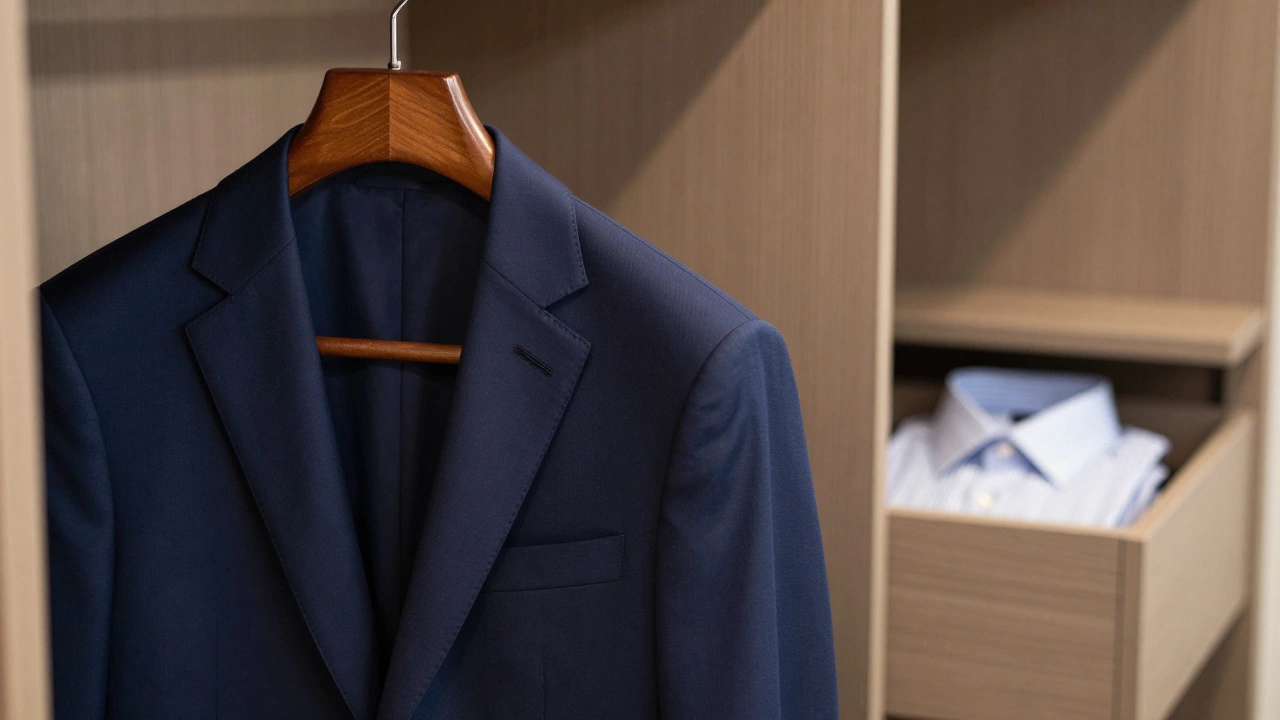
- Suit Jackets: These rely on canvas interfacing inside the chest and shoulders to look crisp. Folding compresses this canvas, causing it to crack and bubble. You’ll see unsightly lumps on the outside that ruin the fit.
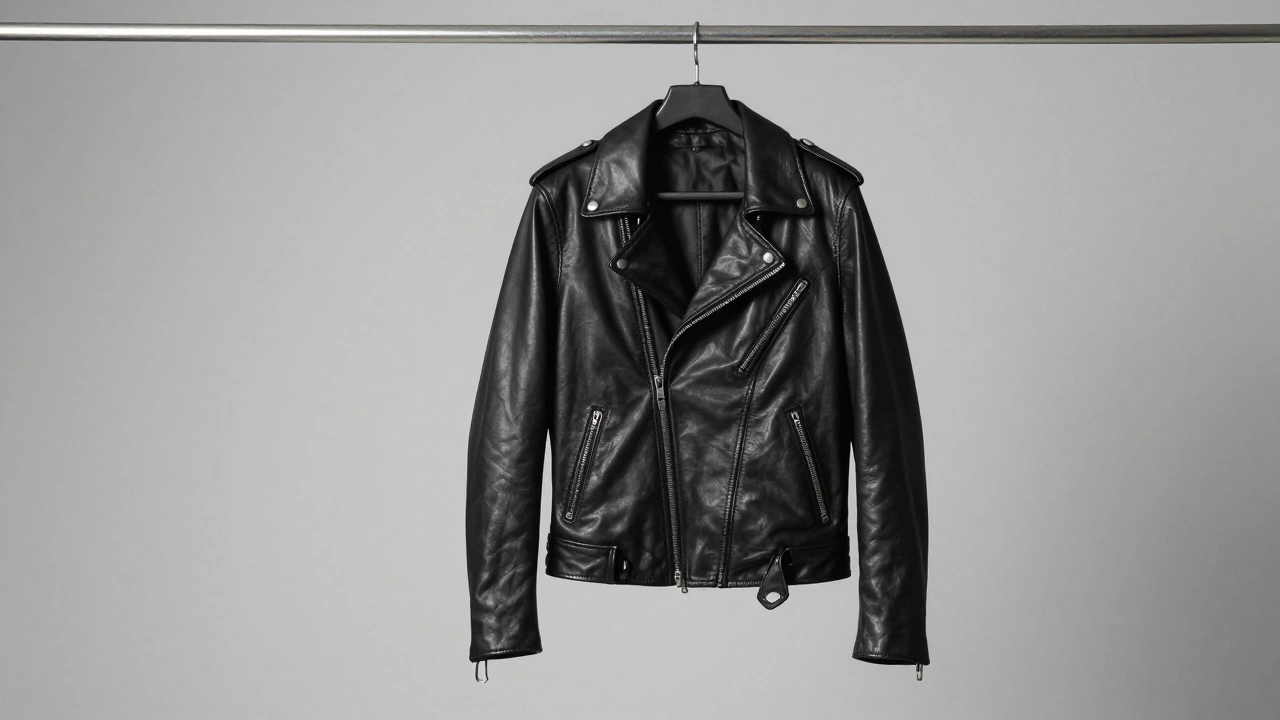
- Leather Jackets: Leather has natural creases, but forced folds from storage create hard lines that never soften. A leather jacket needs to hang freely so the weight of the sleeves pulls the material straight.
- Denim Jackets: While denim is tough, heavy stonewash or raw denim jackets can develop permanent white crease lines across the back when folded tightly in a drawer.
- Blazers: Similar to suit jackets, blazers have padded shoulders. Folding flattens these pads, making the jacket look slouchy and ill-fitting when you wear it.
To store jackets correctly, use wide, contoured hangers. Thin wire hangers will leave indentations on the shoulders. Wooden or padded hangers mimic the natural curve of your body, keeping the jacket’s shape intact.
Trousers and Skirts: The Wrinkle Trap
Pants and skirts are another major group that suffers from folding. While you *can* fold jeans without immediate damage, dress trousers and silk skirts are different stories. Dress trousers usually have a pressed crease down the front. If you fold them at the knee or waist for long-term storage, you introduce new, unwanted creases that clash with the original press.
Silk and satin skirts are even more sensitive. These fabrics are lightweight and prone to slipping. When folded, they slide against themselves, creating friction marks and deep wrinkles. Hanging these items allows gravity to do the work, keeping the fabric smooth and flowing.
For trousers, the best method is to hang them by the belt loops using a clip hanger or a trouser bar. If you must fold them due to limited closet space, try the "bundle folding" technique used by travelers, which distributes pressure evenly rather than creating a single sharp crease.
Dresses and Gowns: Gravity Is Your Friend
Dresses are complex garments. They often combine different fabrics-a stretchy bodice with a flowy skirt, for example. Folding a dress forces these disparate materials into unnatural positions. The bodice gets crushed, losing its support, while the skirt develops sharp horizontal lines.
Formal gowns are particularly vulnerable. They often feature delicate embellishments like beads, sequins, or lace. Folding can snag these details or cause them to break off under pressure. Always hang dresses on sturdy hangers that support the weight at the shoulders or straps. For strapless dresses, use a clear plastic hanger with a bar to slide the dress over, avoiding any distortion of the neckline.
Knitwear: The Exception to the Rule
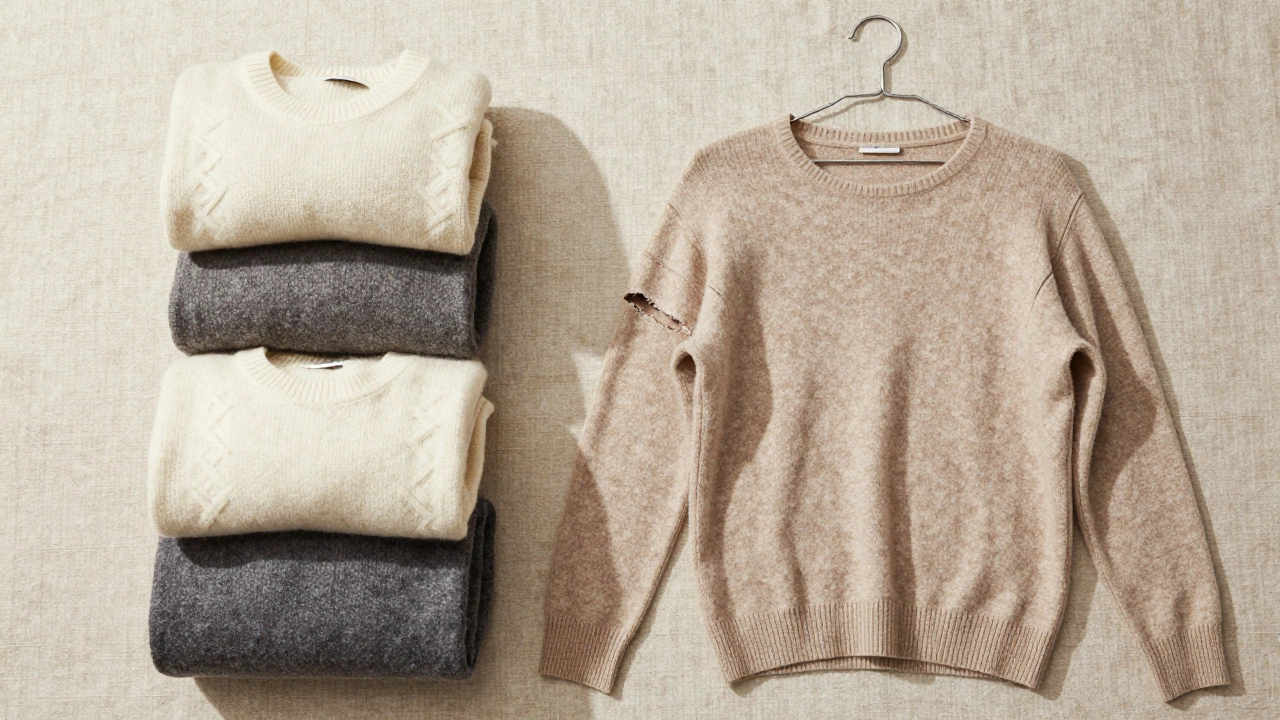
Here is where things get tricky. Many people hang everything, including sweaters. This is a mistake. Knitwear, such as wool cardigans, cashmere pullovers, and chunky jumpers, should never be hung. Why? Because gravity stretches them out. Over time, the shoulders widen, and the torso elongates, leaving you with a baggy, misshapen sweater.
So, what clothes should not be folded? Surprisingly, knitwear should be folded. But you have to do it right. Lay the sweater flat, fold it neatly, and stack it loosely. Don’t pile too many heavy sweaters on top of each other, or the bottom ones will still get compressed. The key is to avoid both hanging (which stretches) and tight folding (which creases). Gentle folding preserves the knit’s integrity.
Delicate Fabrics: Silk, Satin, and Chiffon
Fabrics like silk, satin, and chiffon are notoriously difficult to manage. They wrinkle easily and can lose their sheen if handled roughly. While you can fold these items for short-term travel, long-term storage requires hanging. However, you must be careful with the hanger. Use padded hangers to prevent shoulder bumps.
If you live in a humid climate, consider storing delicate silks in breathable garment bags. Plastic bags trap moisture, which can lead to mold or mildew, especially on natural fibers. Cotton garment bags allow air circulation while protecting the fabric from dust and light.
| Garment Type | Recommended Method | Reason | Risk of Wrong Method |
|---|---|---|---|
| Jackets & Blazers | Hang | Maintains shoulder structure | Permanent creases, crushed padding |
| Leather Coats | Hang | Prevents hard fold lines | Stiff, unyielding creases |
| Dress Trousers | Hang | Keeps creases sharp | Wrinkles, distorted fit |
| Wool Sweaters | Fold | Prevents stretching | Baggy shoulders, elongated body |
| Silk Blouses | Hang | Avoids friction wrinkles | Deep creases, loss of sheen |
| Jeans | Fold or Hang | Durable fabric | Minor creases (easily removed) |
Practical Tips for Small Spaces
Not everyone has a walk-in closet with ample hanging space. If you’re living in a small apartment or sharing a wardrobe, you might feel forced to fold everything. Here are some strategies to minimize damage:
- Use Vacuum Bags Sparingly: For seasonal items like winter coats, vacuum-sealed bags can save space. However, do not leave them compressed for more than a few months. Long-term compression damages fibers. Rotate your stock every season.
- Invest in Slim Hangers: Velvet-covered slim hangers take up less space than bulky wooden ones while still supporting the garment’s shape. This allows you to hang more items in the same width.
- Stack, Don’t Pile: If you must fold shirts or pants, stack them vertically in drawers like files. This prevents the weight of the top items from crushing the bottom ones.
- Steam, Don’t Iron: If you accidentally fold something that shouldn’t be folded, use a handheld steamer. Steam relaxes the fibers without the harsh pressure of an iron, which can further set creases in delicate fabrics.
The Cost of Convenience
We often fold clothes because it’s easier. We toss them in a drawer and forget about them. But the cost of convenience is high. A well-made jacket can last ten years if cared for properly. Fold it incorrectly, and it might look worn-out after two seasons. By taking five extra seconds to hang your jackets, trousers, and dresses, you extend their lifespan significantly.
Think of your wardrobe as an investment. Each garment has a role to play, whether it’s for a job interview, a wedding, or a casual weekend. Keeping them in peak condition ensures you always look your best. It’s not just about vanity; it’s about respect for the craftsmanship involved in making your clothes.
Can I fold my leather jacket for short trips?
Yes, but be gentle. Place the jacket on a flat surface, fold it along the natural seams, and avoid twisting. Unfold it immediately upon arrival and hang it up to let the leather recover its shape. Avoid packing it tightly in a suitcase.
Why do my sweaters get holes when I hang them?
Hanging knits puts all the weight on the shoulders, causing the fabric to stretch and thin out over time. This stress can lead to tears or holes near the neckline. Always fold sweaters to distribute the weight evenly.
What is the best hanger for a suit jacket?
A wide, wooden hanger with a curved shoulder contour is ideal. It supports the jacket’s structure without creating indentations. Avoid cheap plastic or wire hangers, which can distort the shoulders.
Should I fold my jeans or hang them?
Both methods work for jeans. Hanging keeps them wrinkle-free, while folding saves space. If you fold, do so loosely to avoid deep creases. Raw denim enthusiasts often prefer hanging to preserve the natural fade patterns.
How do I remove deep creases from a folded jacket?
Use a garment steamer to gently relax the fibers. Hold the steamer a few inches away from the fabric and pass it over the creased areas. For stubborn creases, you may need to repeat the process. Avoid ironing directly on structured jackets unless you use a pressing cloth.