Should Hoodies Be Hung or Folded? The Ultimate Guide to Preventing Stretch and Wrinkles
- Cleo Fairchild
- 11 May 2026
- 0 Comments
Hoodie Storage Advisor
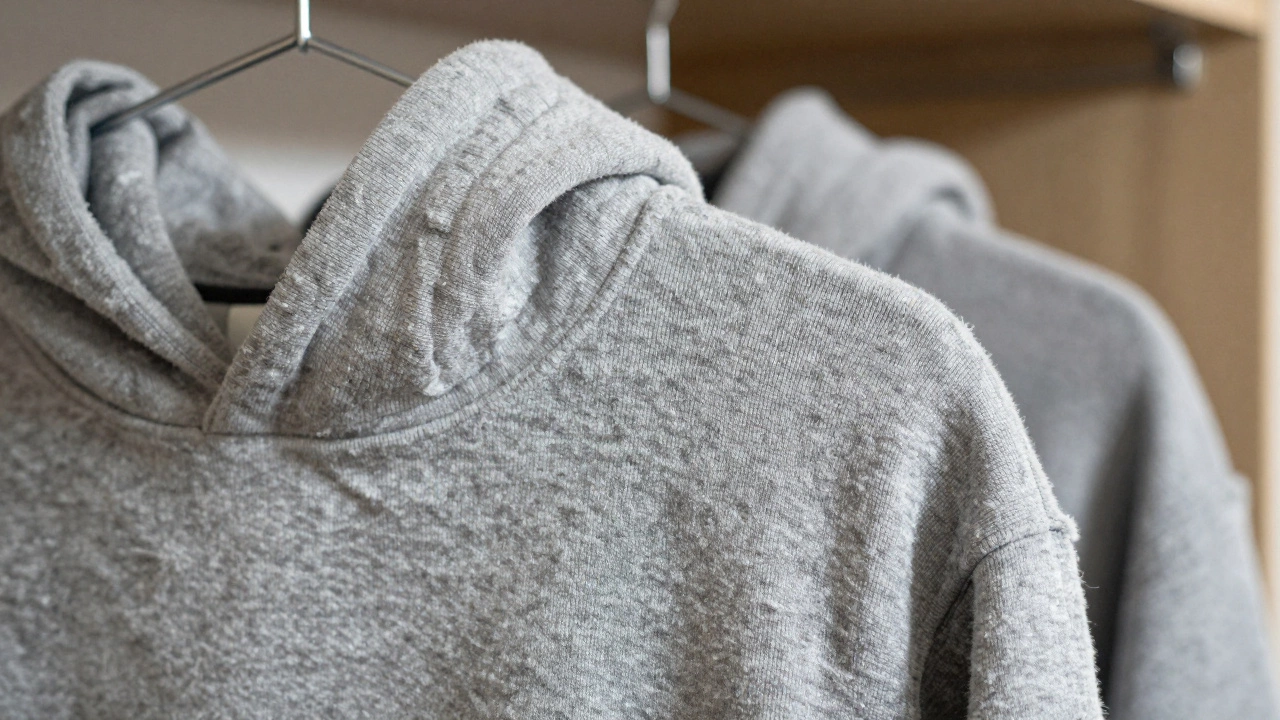
There is a specific kind of heartbreak that happens in the wardrobe. You reach for your favorite hoodie is a casual garment with a hood, typically made from soft cotton fleece or polyester blends, pull it off the hanger, and notice those dreaded shoulder bumps. They look like little elbows sticking out where there shouldn't be any. It’s annoying, it looks cheap, and it ruins the silhouette of an otherwise perfect piece. This usually stems from one simple question: should hoodies be hung or folded?
The short answer is that you should almost always fold them. Hanging heavy knitwear on standard wire or plastic hangers is a recipe for deformation. However, life is messy, closets are small, and sometimes you just need to hang things up to dry or save space. Understanding the physics of fabric tension and weight distribution will help you decide the best method for your specific situation without ruining your clothes.
Why Hanging Can Ruin Your Favorite Hoodie
To understand why hanging is risky, you have to look at the material. Most hoodies are made from cotton fleece is a thick, soft fabric woven with loops on one side and brushed on the other for warmth. Cotton is natural, breathable, and comfortable, but it has a major weakness: it lacks elasticity compared to synthetic fibers. When wet or even when dry under its own weight, cotton stretches. Over time, gravity pulls the shoulders down, creating permanent creases and that unsightly 'shoulder bump.'
If your hoodie is made of polyester blend is a mix of synthetic fibers designed for durability and wrinkle resistance, it might survive hanging better. Polyester holds its shape well and resists stretching. But most premium hoodies use a cotton-polyester mix (often 80/20 or 50/50) to balance comfort with structure. Even these blends can stretch if left on a thin hanger for months on end. The narrower the hanger, the worse the damage. Those flimsy wire hangers from the dry cleaner are particularly dangerous because they concentrate all the weight onto two tiny points on the shoulder seam.
Consider the weight factor too. A heavyweight hoodie, perhaps a 400 GSM (grams per square meter) French Terry style, carries significantly more mass than a lightweight summer zip-up. That extra weight exerts more downward force on the shoulders. If you hang a heavy hoodie on a standard plastic hanger, you are essentially asking the fabric to support its own dead weight indefinitely. Eventually, the fibers give way, and the shape changes permanently.
The Case for Folding: Preserving Shape and Softness
Folding is the gold standard for storing knits, sweaters, and hoodies. It distributes the weight evenly across the entire garment rather than concentrating it on the shoulders. By folding, you eliminate the stress points that cause stretching. Plus, folded hoodies take up less vertical space in a drawer or shelf, allowing you to stack them neatly.
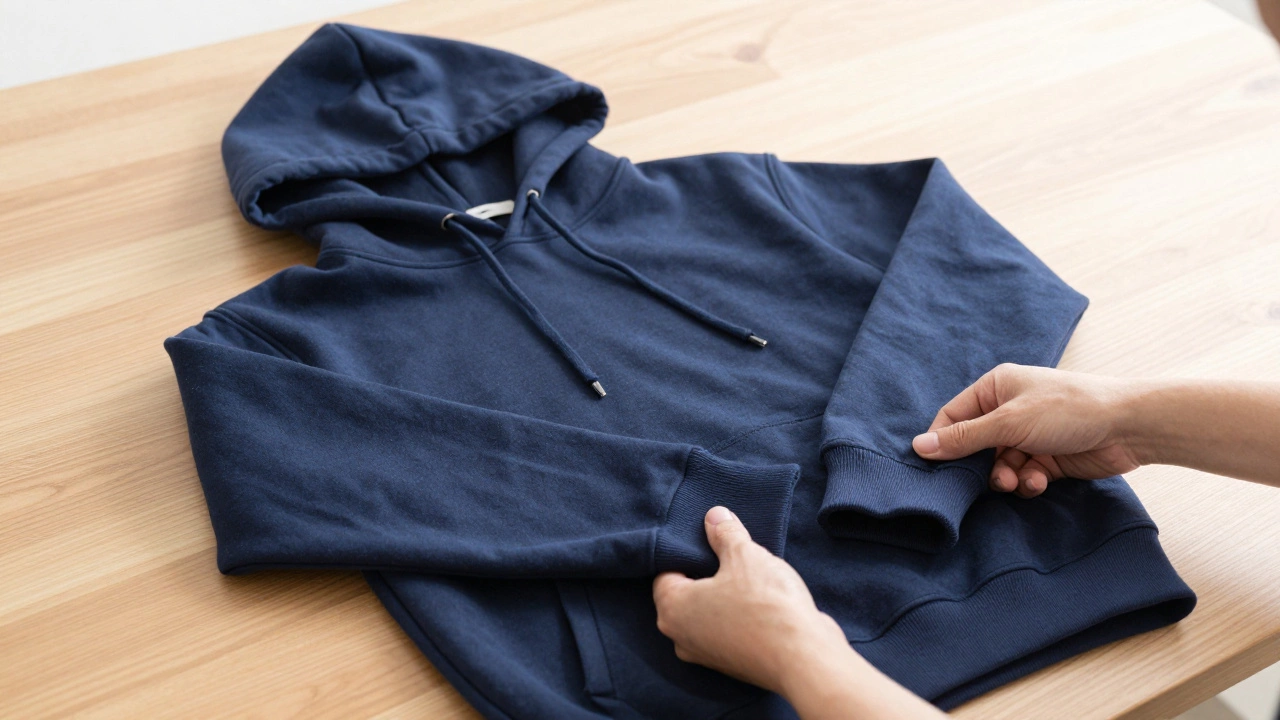
Here is the proper way to fold a hoodie to maximize space and minimize wrinkles:
- Lay the hoodie flat on a clean surface, front side down. Smooth out any wrinkles with your hands.
- Fold the sleeves inward towards the center so they lie flat against the body of the hoodie.
- Fold the bottom hem up to meet the neckline. For thicker hoodies, you may need to fold it in half again horizontally.
- Tuck the hood inside the fold to keep it from poking out and getting misshapen.
This method keeps the garment compact and protects the hood, which is often the first part to get crushed or stretched if stored improperly. Stacking folded hoodies in a drawer also prevents dust accumulation, keeping them fresher between washes. In my experience living in a damp climate like Bristol's, drawers provide a slightly more stable environment than open closet racks, reducing the chance of moisture-related issues like mildew on stored fabrics.
When Hanging Is Actually Okay (And How to Do It Right)
I’m not saying you should never hang a hoodie. Sometimes, folding isn’t practical. Maybe you’re short on drawer space, or you’ve just washed the hoodie and need it to air dry quickly. In these cases, hanging is acceptable if you follow specific rules.
First, ditch the wire hangers. Use wooden hangers is sturdy, wide-shaped hangers made from wood that mimic the natural curve of human shoulders. Wooden hangers are wider and smoother, distributing the weight over a larger area. Flocked velvet hangers are another excellent option because their texture grips the fabric, preventing the hoodie from slipping off and bunching up, which creates new wrinkles.
Second, consider the 'fold-over' technique. Instead of hooking the hanger into the neck hole, lay the hoodie flat over the hanger and fold the shoulders down over the bar. This mimics the effect of folding while still allowing you to hang the item. It’s a bit trickier to do quickly, but it saves the shoulder seams from direct pressure.
Third, only hang lightweight or synthetic hoodies long-term. If you have a thin, polyester track hoodie, it will likely bounce back after hanging. Heavy cotton ones should only be hung temporarily-perhaps overnight to remove wrinkles after washing-and then moved to a folded state for storage.
Material Matters: What Your Hoodie Is Made Of Changes Everything
Not all hoodies are created equal. The fabric composition dictates how forgiving the garment is regarding storage methods. Let’s break down the most common materials and their storage needs.
| Material Type | Stretch Resistance | Recommended Storage | Risk Level |
|---|---|---|---|
| 100% Cotton | Low | Folded | High |
| Cotton-Poly Blend | Medium | Folded (Short-term Hang OK) | Medium |
| 100% Polyester | High | Hanging or Folding | Low |
| Wool Blend | Very Low | Folded Only | Critical |
If you own a wool-blend hoodie, treat it like a cashmere sweater. Wool fibers are delicate and prone to felting and stretching. Never hang a wool hoodie; the weight will distort the weave irreparably. Stick to folding for anything containing natural animal fibers.
For technical athletic hoodies made from moisture-wicking synthetics is fabrics engineered to pull sweat away from the skin to keep athletes dry, hanging is fine. These garments are designed to move and stretch during activity, so static storage stress is less of a concern. Just ensure they aren’t bunched up in a pile where odors can set in.

Space-Saving Hacks for Small Closets
We all know the struggle of limited closet space. If folding feels like it consumes too much drawer real estate, there are middle-ground solutions. One popular method is using shelf dividers is organizers that create compartments within shelves to keep stacks neat and accessible. By installing dividers in your closet shelves, you can stack folded hoodies vertically instead of horizontally. This allows you to see every hoodie at a glance without digging through a pile, and it prevents the stack from toppling over.
Another option is the KonMari folding method. Developed by Marie Kondo, this technique involves folding clothes into small, upright rectangles that stand on their own. You place them in drawers like books on a shelf. This maximizes visibility and capacity, allowing you to fit more hoodies in a smaller footprint while keeping them perfectly folded and wrinkle-free.
If you must hang, invest in multi-hangers. These S-shaped hooks allow you to hang multiple shirts or hoodies on a single rod space. While this doesn’t solve the shoulder stretch issue entirely, it reduces the number of hangers cluttering your closet and keeps items separated enough to breathe.
Maintenance Tips Beyond Storage
How you store your hoodie is only part of the equation. Washing and drying habits play a huge role in longevity. Always wash hoodies inside out to protect the outer fabric from pilling and fading. Use cold water to preserve elasticity and prevent shrinkage. Avoid high-heat drying, as heat breaks down elastic fibers in cuffs and waistbands, leading to baggy fits regardless of how you store them.
If you do hang a hoodie to dry, shake it out gently before placing it on the hanger to redistribute the fibers. Let it dry completely before removing it from the hanger to avoid setting wrinkles. Once dry, refold it immediately for long-term storage. This quick habit ensures your wardrobe stays crisp and your favorite pieces last for years.
Will hanging a hoodie ruin it permanently?
It depends on the material and duration. Lightweight synthetic hoodies may recover after a few hours of hanging. However, heavy cotton or wool hoodies will likely develop permanent shoulder bumps and stretched necklines if left on hangers for weeks or months. Folding is safer for long-term preservation.
Can I hang a wet hoodie?
Yes, but only temporarily. Wet fabric is heavier and more susceptible to stretching. Use a wide wooden hanger or lay it flat on a drying rack. Once completely dry, remove it from the hanger and fold it to prevent the weight from distorting the shape as it settles.
What is the best way to fold a hoodie to save space?
Use the KonMari method: fold the hoodie into a small, upright rectangle that stands on its own. This allows you to stack multiple hoodies vertically in a drawer, maximizing space and visibility. Ensure the hood is tucked inside to maintain a neat shape.
Are velvet hangers good for hoodies?
Velvet hangers are a good alternative to wire hangers because they grip the fabric, preventing slips and bunching. However, they are still narrow compared to wooden hangers. For heavy hoodies, wider wooden hangers distribute weight better and reduce shoulder strain.
How do I fix shoulder bumps on a hoodie?
Minor bumps can often be steamed out. Hold a garment steamer a few inches away from the shoulder area and gently steam while smoothing the fabric with your hand. For deeper creases, ironing on low heat with a pressing cloth may help, but avoid direct contact with hot irons to prevent melting synthetic fibers.