How Should a Hoodie Fit You? The Ultimate Guide to Perfect Sizing
- Cleo Fairchild
- 4 May 2026
- 0 Comments
Hoodie Fit Analyzer
Select Your Desired Fit Style
Choose the look you are aiming for to adjust the fitting criteria.
Fit Analysis Results
Based on your selected style: Standard
There is nothing worse than buying a new hoodie online only to have it arrive looking like a sack or feeling like a second skin. You pull it on, and suddenly you realize the sleeves are dragging on the floor, or worse, the hem sits awkwardly high on your waistband. It happens to all of us. But getting the fit right isn't just about comfort; it’s about how the garment interacts with your body and the rest of your outfit.
Finding the right hoodie involves balancing three main factors: shoulder alignment, sleeve length, and overall volume. Whether you are chasing that relaxed streetwear look or a clean, athletic silhouette, understanding these mechanics will save you from endless returns. Let's break down exactly how a hoodie should sit on your frame.
The Shoulder Test: Where Structure Meets Comfort
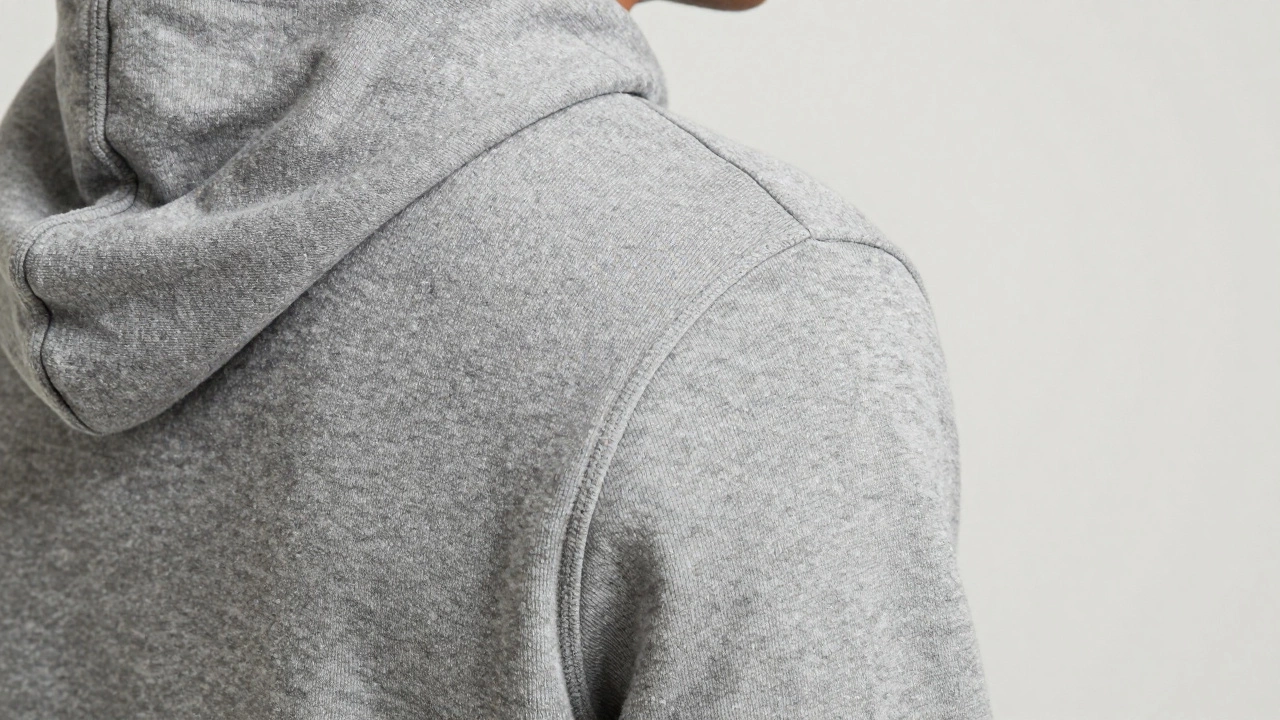
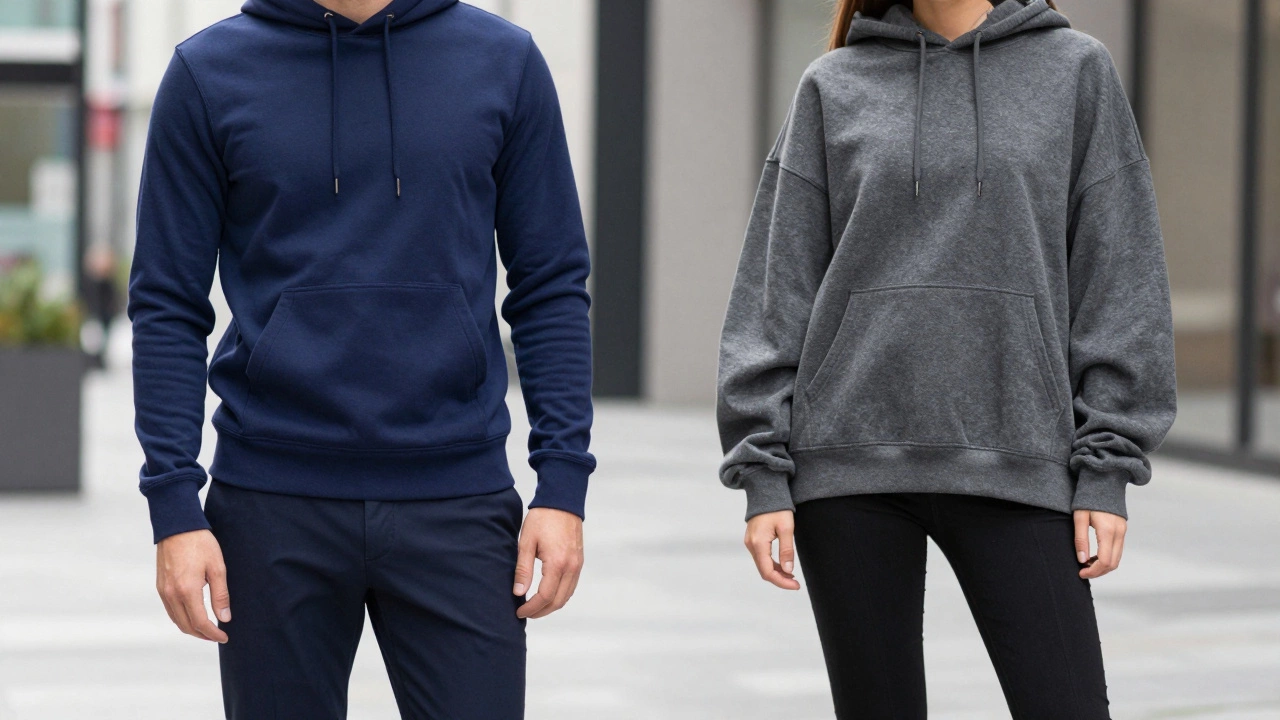
The most critical indicator of whether a hoodie fits correctly is where the seam meets your shoulder. This single point determines if the garment looks intentional or sloppy. For a standard or regular fit, the shoulder seam should land right at the edge of your natural shoulder bone. If you run your finger along your collarbone, the seam should align with where that bone ends and your arm begins.
If you prefer an oversized look, which is incredibly popular in current streetwear trends, you can let the shoulder seam drop slightly-about one to two inches past your natural shoulder line. However, there is a limit. If the seam falls halfway down your bicep, the hoodie will likely look ill-fitting rather than stylish. Think of it as 'dropped shoulders,' not 'collapsed shoulders.'
Pay attention to the material here too. Heavyweight cotton fleece tends to hold its shape better around the shoulders than thin, lightweight blends. A thick French Terry fabric provides enough structure to keep the shoulders defined even in an oversized cut.
Sleeve Length and Cuff Placement
Once the shoulders are sorted, look at the sleeves. This is where many people get tripped up because sleeve length varies wildly between brands. In a well-fitted hoodie, the cuff-the ribbed band at the end of the sleeve-should sit right at your wrist bone. This is the spot where your hand meets your arm.
Why does this matter? Because the cuff acts as a visual anchor. If the cuff sits too high up your forearm, your arms will look disproportionately long, and the hoodie might ride up when you move. If the cuff covers your knuckles, you’ll constantly be pushing the sleeves up, which defeats the purpose of having them in the first place.
- Standard Fit: Cuff hits exactly at the wrist bone.
- Oversized Fit: Cuff may cover the base of your thumb or sit just below the wrist bone.
- Slim Fit: Cuff sits slightly above the wrist bone, but never exposing the forearm significantly.
Also, consider the width of the sleeve itself. Even if the length is perfect, a sleeve that is too wide can bunch up uncomfortably around your elbow. You want enough room to layer a t-shirt underneath without the fabric feeling constricted, but not so much that it flaps around like a parachute.
Hem Length and Torso Proportion
The bottom hem of the hoodie dictates the length of your torso visually. For most men, a standard hoodie should hit somewhere between the top of your zipper fly and the middle of your belt loop. This ensures that the hoodie stays tucked in when you sit down but doesn’t look like a dress when you stand up.
If you are wearing the hoodie over a shirt or under a jacket, this measurement becomes even more crucial. A hoodie that is too long will bunch up at the waist when you put on a blazer or denim jacket, creating bulk where you don’t want it. On the other hand, a cropped hoodie should hit right at the waistline, no higher and no lower. Cropped styles are great for showing off high-waisted trousers or jeans, but they require precise tailoring to avoid looking accidental.
When trying on hoodies, always check the fit while sitting. Sit down in a chair and cross your legs. Does the hem ride up too much, exposing your stomach? If so, the hoodie might be too short or too tight around the hips. A good hoodie maintains its position regardless of your posture.
Chest Width and Mobility
You need enough room in the chest to move freely. Raise your arms straight out to the sides, then bring them up overhead. If the hoodie pulls tight across your back or lifts the entire garment off your body, it’s too small. There should be at least two inches of space between your chest and the fabric when your arms are at your sides.
This extra space allows for layering. Most people wear hoodies over t-shirts, long-sleeve shirts, or even light sweaters. If the hoodie fits snug against your skin, you won’t be able to add layers without feeling restricted. Measure yourself by wrapping a tape measure around the fullest part of your chest, then add four to six inches for a comfortable fit.
| Your Chest Size (inches) | Recommended Hoodie Chest Width | Fit Type |
|---|---|---|
| 36 - 38 | 40 - 42 | Slim / Regular |
| 39 - 41 | 44 - 46 | Regular / Relaxed |
| 42 - 44 | 48 - 50 | Relaxed / Oversized |
| 45+ | 52+ | Oversized / Boxy |
The Hood Itself: Function Over Form
We often forget about the hood until we’re outside in the rain or wind. A functional hood should fit comfortably over your head without choking your neck or gaping open. When you pull the hood up, it should cover your ears and forehead without obstructing your vision. If you have to tilt your head back to see, the hood is too small.
Look for double-layered hoods. They provide better structure and warmth than single-layer designs. Also, check the drawstrings. They should be long enough to tie securely but not so long that they dangle dangerously if you’re walking near machinery or crowds. Some modern hoodies feature hidden toggles or elasticated hems inside the hood to keep it snug against your face during windy weather.
Fabric Weight and Seasonal Considerations
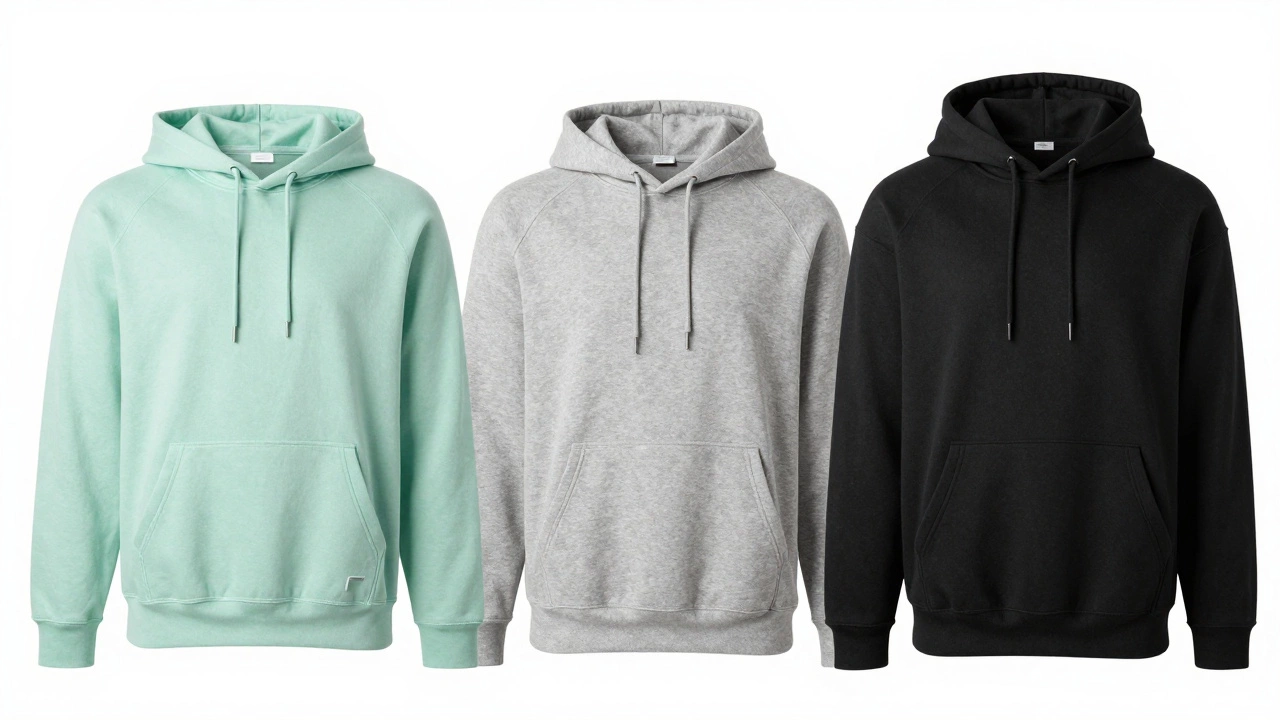
The thickness of the fabric changes how the hoodie drapes on your body. Lightweight hoodies, typically made from thin cotton blends, tend to cling closer to the body. These are ideal for spring or as a mid-layer in winter. They require a more precise fit because they lack the structure to hide imperfections.
Heavyweight hoodies, often weighing between 300gsm and 400gsm (grams per square meter), have a boxier, stiffer drape. These are perfect for autumn and winter. Because the fabric is thicker, you can afford a slightly looser fit without looking sloppy. The weight of the material helps maintain the shape, making oversized styles look intentional and premium.
If you live in a humid climate like Bristol, UK, opt for breathable fabrics like organic cotton or bamboo blends. Synthetic materials like polyester trap heat and moisture, which can make you feel clammy even in mild weather. Natural fibers allow air circulation, keeping you comfortable throughout the day.
Styling Tips Based on Fit
Your choice of hoodie fit should complement your other clothing items. A slim-fit hoodie works best with tailored trousers or skinny jeans. It creates a streamlined silhouette that looks polished and put-together. Pair it with sneakers or boots for a smart-casual look.
An oversized hoodie demands balance. Since the top half is voluminous, pair it with fitted bottoms like joggers, straight-leg jeans, or bike shorts. This prevents the outfit from looking overwhelming. Avoid baggy pants with an oversized hoodie unless you’re going for a specific avant-garde aesthetic. The key is contrast: loose on top, tighter on bottom, or vice versa.
For a layered look, try wearing a slim-fit hoodie under a denim jacket or parka. Ensure the hoodie’s hem and cuffs are visible to add texture and depth to the outfit. This technique works particularly well in transitional seasons when temperatures fluctuate.
Should a hoodie be tight or loose?
It depends on the style you want. For a classic, versatile look, choose a regular fit that is neither too tight nor too loose. The shoulders should align with your natural shoulder line, and there should be enough room in the chest to layer a t-shirt underneath. If you prefer a streetwear aesthetic, go for a loose, oversized fit, but ensure the sleeves and hem aren't excessively long.
How do I know if my hoodie is too big?
Signs include shoulder seams dropping more than two inches past your natural shoulder, sleeves covering your knuckles, and the hem reaching below your crotch area. Additionally, if the fabric bunches up excessively around your elbows or wrists, the hoodie is likely too large for your frame.
What size hoodie should I buy if I'm between sizes?
If you prefer a relaxed fit, size up. If you like a cleaner, more fitted look, stick with your usual size. Consider the fabric weight as well; heavier fabrics tend to shrink less and hold their shape better, so you might want to stay true to size for heavyweight hoodies.
Do hoodies shrink after washing?
Yes, especially those made from 100% cotton. To minimize shrinkage, wash your hoodie in cold water and tumble dry on low heat or hang it to dry. Pre-shrunk cotton is treated to reduce shrinkage, but some contraction is still inevitable over time.
Can I wear an oversized hoodie with skinny jeans?
Absolutely. This combination creates a balanced silhouette by contrasting the volume of the top with the slimness of the bottom. Just ensure the hoodie isn't so long that it overwhelms your proportions. Tuck the front slightly into your jeans if needed to define your waistline.