Do Chinese People Wear Shoes Indoors? The Truth About Slippers and Hygiene
- Cleo Fairchild
- 4 October 2026
- 0 Comments
China Home Footwear Etiquette Simulator
Select a scenario below to find out the appropriate footwear behavior for that specific location in China.
Visiting a Friend's Home
Casual visit to an apartment in Beijing or Shanghai.
Entering a Buddhist Temple
Prayer halls and sacred historical sites.
Kindergarten Classroom
Early education settings with mats and play areas.
Receiving Food Delivery
Courier arriving at your high-rise apartment door.
Modern Carpeted Loft
Ultra-modern westernized apartment with wall-to-wall carpet.
Accidental Sneaker Entry
You forgot to remove shoes in a traditional home.
You walk into a friend’s apartment in Beijing or Shanghai, expecting the usual Western ritual of kicking off your sneakers at the door. But wait-do you actually have to take them off? Or is there a different rulebook entirely? The short answer is: it depends on where you are and what kind of "shoes" we’re talking about. While the stereotype might suggest that Chinese people roam barefoot or wear specific types of slippers everywhere, the reality is a nuanced mix of strict hygiene rules, modern urban living, and traditional comfort practices.
If you’ve ever wondered why some hosts hand you a pair of soft-soled mules while others look horrified if you step onto their carpet with outdoor boots, this guide breaks down exactly what’s happening. We’ll cover the difference between street shoes and house shoes, why hygiene drives these choices, and how to navigate the etiquette without making an awkward first impression.
The Golden Rule: Street Shoes Stay Outside
Here is the non-negotiable part of Chinese home etiquette: outdoor shoes do not touch the floor inside the home. This isn’t just a preference; for many families, it’s a deeply ingrained habit rooted in cleanliness. In major cities like Beijing, Guangzhou, and Shenzhen, dust, pollution, and general grime accumulate quickly on city streets. Bringing those contaminants into a living space where children crawl or people sit on low furniture is considered unhygienic by most households.
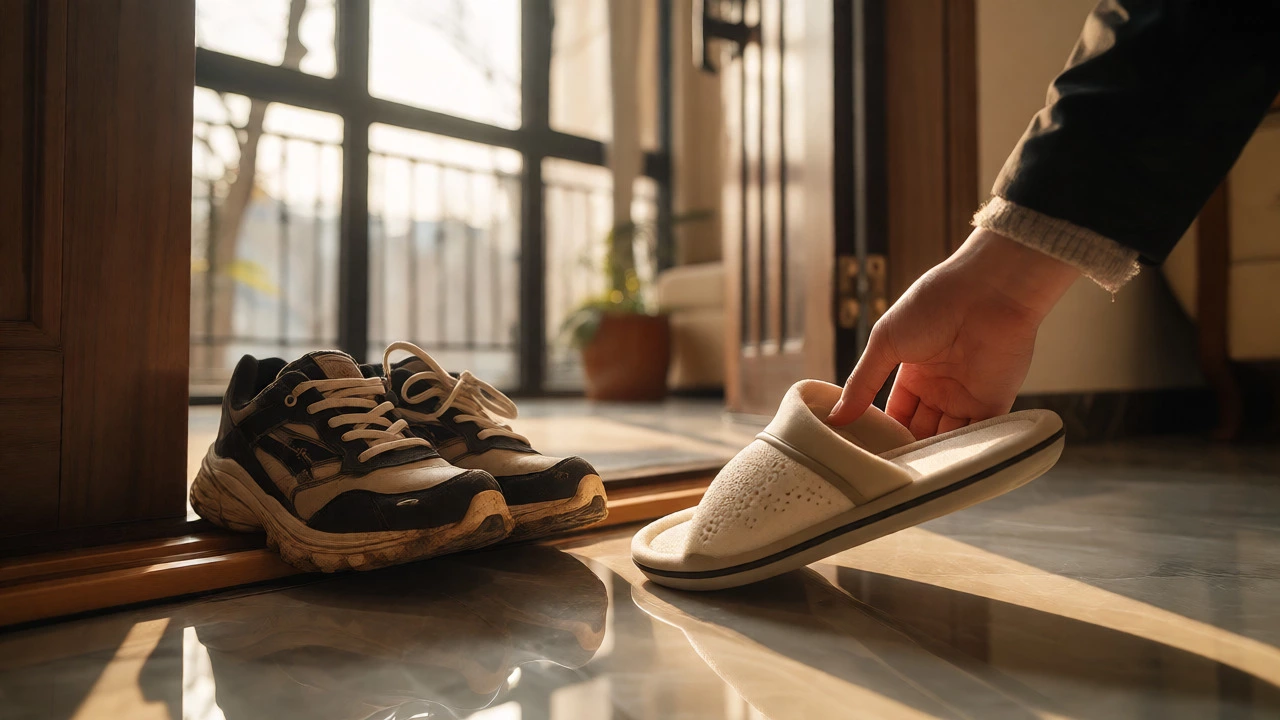
So, when you visit a Chinese home, expect to remove your street shoes immediately upon entering the genkan (entryway). You won’t be walking around barefoot either-at least, not usually. Instead, you will likely be offered a pair of guest slippers. These are often simple, open-toed slides made of plastic or foam, designed specifically for visitors so they don’t have to wear someone else’s personal footwear. If you’re staying longer or visiting close family, you might be asked to bring your own clean indoor shoes, but the guest slipper scenario is far more common for casual visits.
Slippers Are Not Just Footwear, They’re Furniture
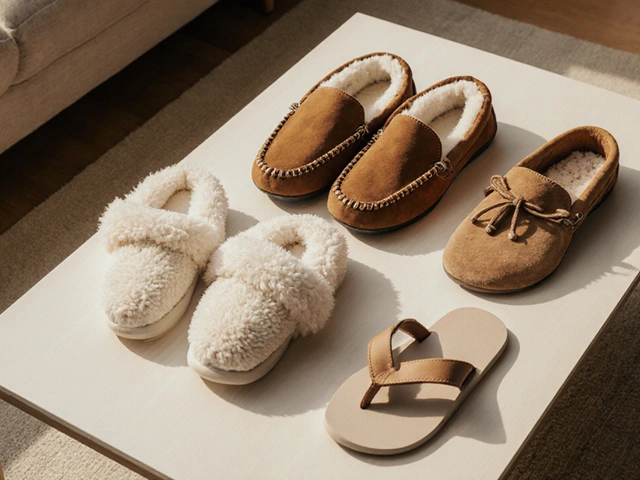
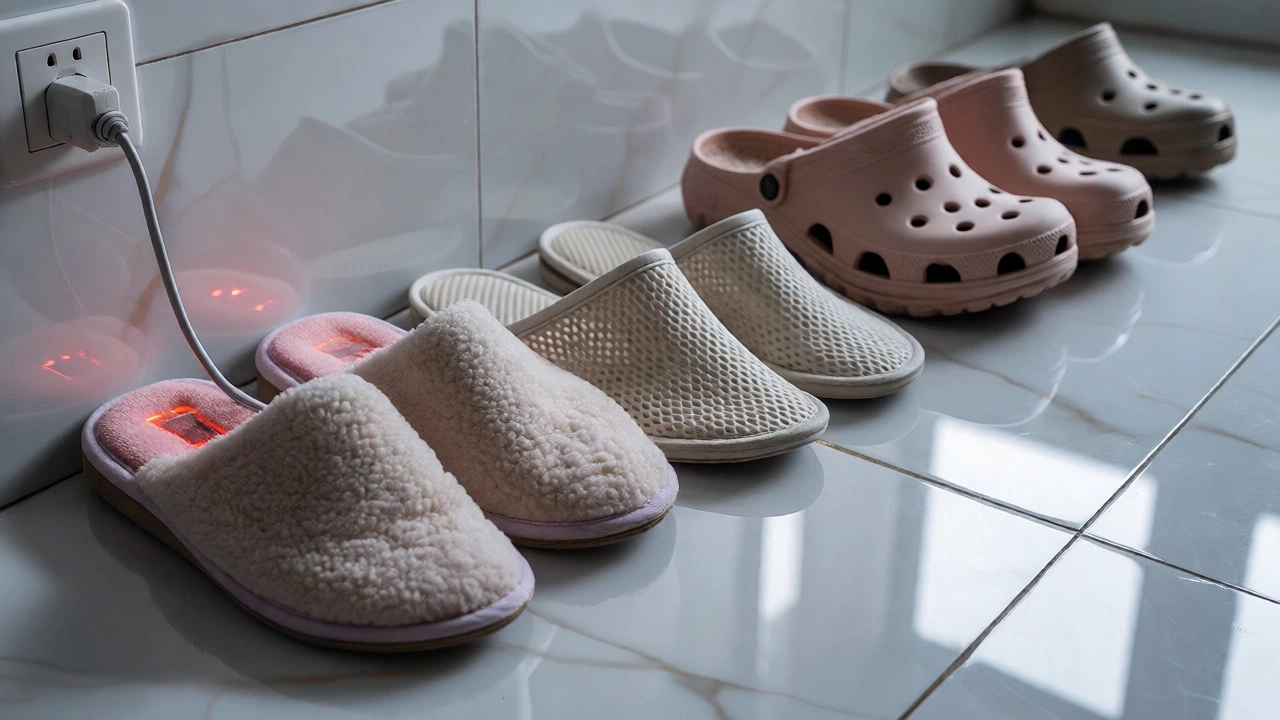
In China, slippers aren’t just something you throw on to grab the mail. They are a distinct category of indoor footwear that serves as essential home equipment. Unlike the thick-soled athletic shoes worn outside, Chinese house slippers prioritize lightness, breathability, and ease of cleaning. You’ll see everything from cheap rubber flip-flops to plush, heated electric slippers that plug into a wall outlet during winter months.
Why the obsession with slippers instead of bare feet? It comes down to temperature and hygiene. Floors in many Chinese apartments are tiled or made of polished stone, which stay cold even in mild weather. Walking barefoot on tile can feel uncomfortable or even lead to health concerns related to catching a chill, a concept tied to Traditional Chinese Medicine (TCM) beliefs about keeping the body warm. Additionally, floors are cleaned frequently, sometimes multiple times a day. Wearing dedicated indoor shoes protects the floor from dirt brought in from balconies or other rooms, and it keeps your feet protected from any residual dampness after mopping.
Regional Differences: North vs. South Habits
China is massive, and climate plays a huge role in footwear habits. In the north, particularly in cities like Harbin or Beijing during winter, heating systems keep homes incredibly warm-often over 25°C (77°F). Because the air is dry and hot, people tend to wear lighter slippers indoors. However, the floors might still be cool, so thick-soled slippers are popular for insulation against the ground.
| Region | Typical Floor Type | Common Slipper Style | Reasoning |
|---|---|---|---|
| Northern China | Tile/Marble | Thick-soled, insulated | Floors remain cool despite central heating |
| Southern China | Wood/Laminate | Thin, breathable mesh | Humid climate requires ventilation |
| Rural Areas | Cement/Dirt | Sturdy rubber clogs | Durability and protection from dust |
In the south, such as in Guangzhou or Shanghai, humidity is the enemy. Homes often use wood flooring or laminate, which can warp if too wet. Here, slippers are often thinner and more breathable to prevent sweaty feet. During the rainy season, you might even see people wearing waterproof booties over their slippers if they need to step out briefly onto a balcony. The key takeaway? There is no single "Chinese style." You have to read the room-and the floor.
The Rise of the "Lazy Person's" Shoe
Modern urban living has shifted habits slightly, especially among younger generations living in high-rise apartments. With smaller living spaces, many young professionals prefer minimalist designs. You’ll notice a trend toward "one-size-fits-all" aesthetic slippers that match the interior decor rather than being purely functional. Brands now sell stylish, ergonomic slippers that look good enough to wear when ordering delivery food via apps like Meituan or Ele.me.
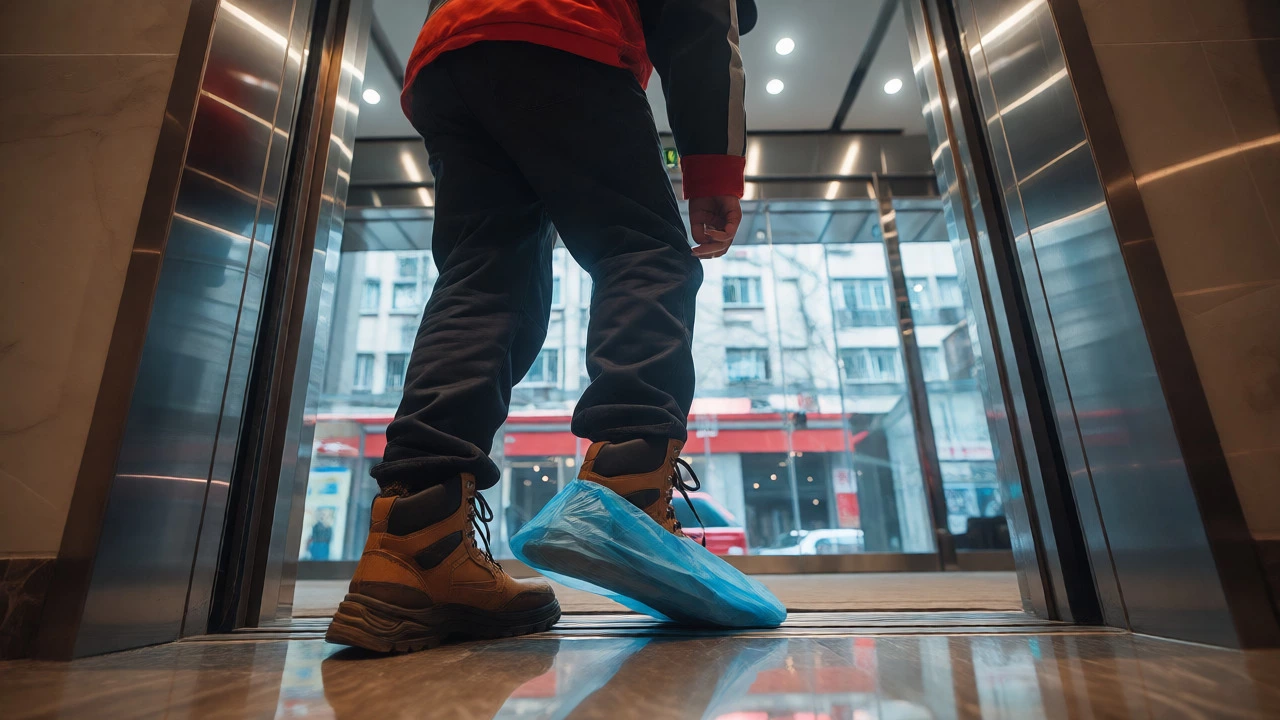
Delivery drivers are a great case study here. When a courier arrives at a Chinese apartment building, they almost always leave their heavy work boots in the lobby or put on provided shoe covers before riding the elevator up. Once inside the unit, they typically remove their outer layers and may wear thin disposable socks or simply stand at the threshold. This reinforces the cultural boundary between the "dirty" public sphere and the "clean" private sphere.
What Happens If You Forget?
Let’s say you’re invited to a dinner party and you accidentally walk into the living room with your sneakers on. Is it a disaster? Probably not, but it will raise eyebrows. Your host might subtly point to the entryway, or they might just quietly mop the spot you walked on later. It’s rarely shouted about, but it signals a lack of awareness about local norms.
To avoid this, watch your host. If they are already wearing slippers when you arrive, follow suit. If they are barefoot (which happens in very casual settings or with close friends), you can ask, "Should I take my shoes off?" It’s better to ask than to assume. Also, note that in some traditional households, you might be expected to wear specific white cotton socks under your slippers to keep them clean. Don’t show up in dirty gym socks!
Beyond the Home: Schools and Temples
The no-shoe rule extends beyond private residences. In Chinese schools, students change into indoor shoes or go barefoot depending on the age group and school policy. Kindergarten classrooms often have designated areas where kids switch to soft-soled shoes to protect the mats and reduce noise. This early conditioning reinforces the idea that indoor spaces require different footwear.
Similarly, in Buddhist temples or certain historical sites, you must remove shoes before entering prayer halls. This isn’t just about hygiene; it’s a sign of respect for the sacred space. You’ll find rows of shoe racks at the entrance, similar to those found in Japanese ryokans. If you’re traveling in China, carrying a pair of easy-to-remove slip-ons makes navigating these transitions much smoother than struggling with laces every time you enter a temple or a traditional restaurant.
Practical Tips for Visitors
If you’re planning a trip to China or hosting Chinese guests, here’s how to handle the footwear situation like a pro:
- Bring Easy-On Shoes: Avoid complex lacing systems. Slip-ons, loafers, or Velcro straps are ideal because you’ll be taking them off and putting them back on frequently.
- Check Your Socks: Ensure your socks are hole-free and clean. Since you’ll likely be removing shoes in public places like temples or homes, visible sock condition matters.
- Accept the Guest Slippers: Even if they look ugly or ill-fitting, wear them. Refusing can be seen as rejecting hospitality.
- Watch the Host: Mirroring behavior is the safest strategy. If the host stays in their street shoes (rare, but possible in very modern, carpeted lofts), you can relax. If they move to slippers, you should too.
Ultimately, the question "Do Chinese people not wear shoes in the house?" is a bit of a trick. They do wear shoes-but they are a completely different type of shoe than the ones used outside. It’s a system designed to maintain cleanliness, comfort, and social boundaries. By understanding the distinction between street gear and indoor slippers, you show respect for the culture and ensure your feet stay happy, whether you’re on a marble floor in Beijing or a wooden deck in Hangzhou.
Is it rude to wear shoes in a Chinese home?
Yes, wearing outdoor street shoes inside a Chinese home is generally considered rude and unhygienic. Most hosts will expect you to remove them at the entrance and switch to provided slippers or go barefoot/socks-on if explicitly invited to do so.
Why do Chinese people wear slippers inside?
Slippers provide a barrier between the foot and the floor, which is often tiled and kept very clean. They also offer warmth in cooler months and protect the floor from dirt brought in from balconies or other areas. It is a standard hygiene practice across most of China.
Do you need to wear socks with Chinese slippers?
It depends on the household. Some people wear bare feet, while others prefer thin cotton socks to keep the slippers clean and to absorb sweat. In formal visits or colder regions, wearing clean socks is often appreciated and shows extra care for the host's property.
Are there exceptions to the no-shoes rule?
Exceptions are rare but exist in some ultra-modern westernized apartments with wall-to-wall carpeting where hosts might allow clean sneakers. However, the default expectation remains strict separation between outdoor and indoor footwear.
What should I do if my slippers don't fit?
If the guest slippers are too small or large, politely mention it. Often, hosts have multiple sizes available. If not, wearing them anyway is better than refusing, as long as you are careful not to trip. Safety comes first, but effort to comply with the custom is valued.