Average Price for a Men's Suit: What You Should Pay in 2026
- Cleo Fairchild
- 12 November 2026
- 0 Comments
Men's Suit Cost Estimator & Value Checker
Step 1: Select Your Specifications
Your Estimated Total & Value Analysis
Please enter details to see tier analysis.
Select options on the left to analyze your suit purchase.
You walk into a high-street shop or browse online, and the price tags make your head spin. One suit is £150, another is £1,500, and a third claims to be "luxury" for £3,000. It’s confusing, right? The truth is, there is no single "average" that fits everyone because it depends entirely on what you need the suit for. But if you’re looking for a realistic ballpark figure for a decent, wearable suit in the UK today, you should expect to pay between £250 and £450 for off-the-rack options from reputable brands. If you want custom tailoring, that number jumps significantly.
Why such a huge gap? Because a suit isn’t just fabric; it’s construction, fit, and brand prestige. A £100 suit often falls apart after two wears because the glue melts when it gets hot. A £500 suit uses natural materials and better stitching, meaning it breathes, moves with you, and lasts for years. Before you hand over your card, let’s break down exactly where your money goes so you don’t get ripped off or overspend on things you don’t need.
The Real Cost Breakdown by Tier
Let’s strip away the marketing fluff. In 2026, the market has split into clear tiers. Knowing which tier you are shopping in helps you judge if a price is fair or inflated.
| Tier | Price Range (GBP) | What You Get | Best For |
|---|---|---|---|
| Budget / Fast Fashion | £80 - £150 | Synthetic blends (polyester), fused construction (glued layers), poor lining. Wrinkles easily. | One-off events, student interviews, emergency wear. |
| High Street / Entry-Level | £200 - £350 | Wool blends or entry-level pure wool, semi-fused canvas, better buttons. Brands like H&M Premium, Zara, Topman. | First job, daily office wear, casual weddings. |
| Mid-Range / Quality Off-the-Rack | £400 - £700 | Pure wool (Super 100s-120s), half-canvas construction, natural horn buttons. Brands like Suitsupply, Reiss, Charles Tyrwhitt. | Important meetings, regular wear, long-term investment. |
| Custom / Made-to-Measure | £800 - £1,500 | Fabric selection, adjusted measurements, better fit than standard sizes. Full or half-canvas depending on package. | Weddings, executives who hate alterations, perfect fit seekers. |
| Luxury / Bespoke | £2,000+ | Full canvas, premium fabrics (Loro Piana, Scabal), hand-finishing, multiple fittings. Savile Row standards. | Status symbols, collectors, connoisseurs of cut and cloth. |
Notice the jump between £350 and £400? That’s the quality cliff. Below £350, you’re mostly paying for branding and convenience. Above £400, you start paying for materials that actually improve how you look and feel. If you buy one suit a year, aim for that mid-range sweet spot. It lasts longer, so you replace it less often, saving money in the long run.
Why Construction Method Dictates Price
Most guys never ask this question, but it’s the biggest factor in cost. How is the jacket built? This determines if your suit looks sharp or baggy after an hour.
Fused construction is the cheapest method. Manufacturers use heat-activated glue to stick the outer fabric to an inner layer. It’s fast and cheap. The downside? It feels stiff, doesn’t breathe well, and eventually, the glue separates, creating bubbles under the lapel. You’ll see this in most sub-£200 suits.
Half-canvas construction is the standard for good value suits (£300-£600). Only the chest area and lapels have a floating canvas layer; the rest is fused. This gives the jacket shape and allows the lapels to roll naturally instead of lying flat. It’s a massive upgrade in appearance for a modest price increase.
Full-canvas construction is what you find in suits over £700. A layer of horsehair canvas runs through the entire front of the jacket. No glue. This allows the suit to mold to your body over time. It drapes beautifully and lasts decades if cared for. If you’re wearing a suit three times a week, full canvas is worth every penny.
Fabric Matters More Than Brand Name
You can pay £1,000 for a polyester suit, but it will still feel cheap. Conversely, a £300 suit made of 100% wool beats a £500 synthetic blend any day. When checking the label, ignore the logo and look at the fiber content.
- Polyester/Wool Blends: Cheap, durable, but shiny and sweaty. Avoid these for summer or long days.
- 100% Wool: The gold standard. Look for "Super" numbers. Super 100s-120s is ideal for durability. Higher numbers (Super 150s+) are softer but wrinkle easily and cost more.
- Cotton/Linen: Great for summer, but wrinkles aggressively. Good for casual blazers, risky for formal business suits unless you accept the creases.
- Mohair: Often blended with wool. Adds sheen and resistance to wrinkles. Expensive, but looks incredible in photos.
In Bristol, where the weather is damp and changeable, avoid heavy synthetics. They trap moisture and make you smell. Stick to medium-weight wools (around 260g-290g) that handle rain and indoor heating without making you sweat through your shirt.
Hidden Costs: Alterations and Accessories
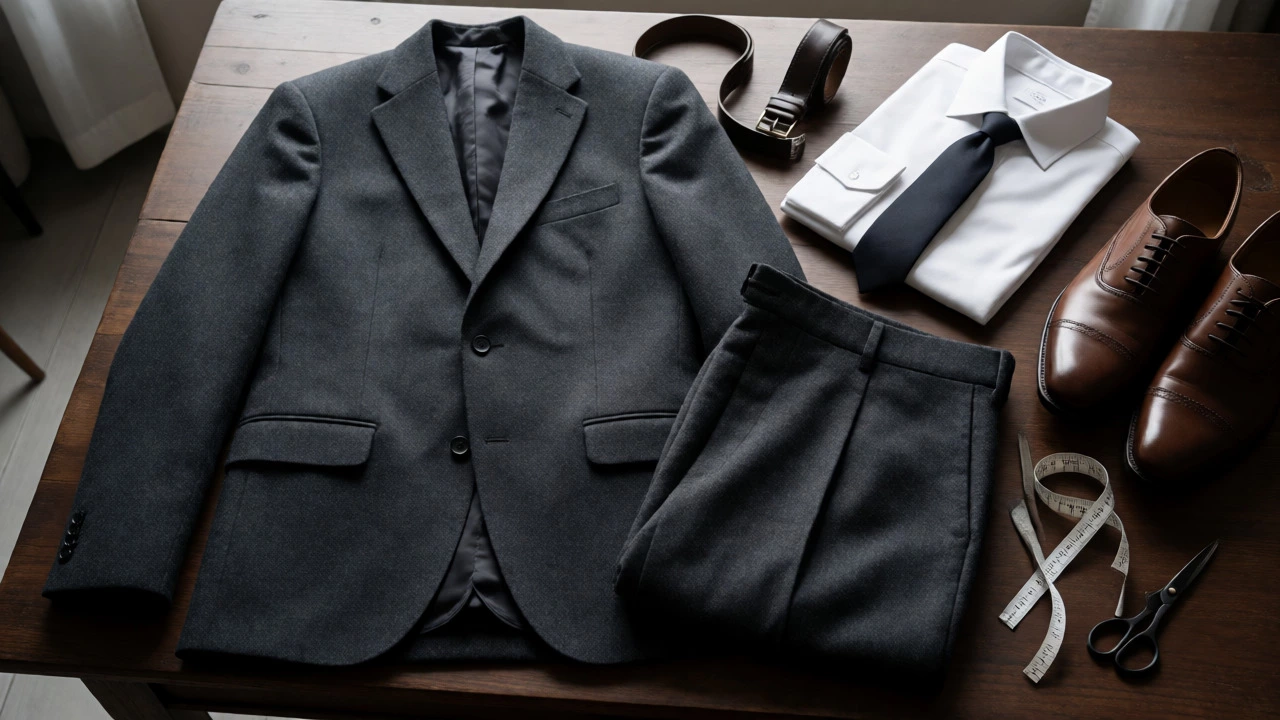
The sticker price is rarely the final price. Unless you have a generic body type (which almost nobody does), you will need alterations. Budget an extra £40-£80 for a tailor to shorten sleeves, adjust trousers, and take in the waist. This is non-negotiable for a professional look. A £300 suit that fits perfectly looks better than a £1,000 suit that bunches at the shoulders.
Don’t forget the accessories. A suit needs a shirt, tie, belt, and shoes. If your budget is tight, buy the suit first. Then, invest in two crisp white shirts (£30-£50 each) and a pair of leather dress shoes (£100+). You can wear the same suit repeatedly if you rotate shirts and ties. This strategy keeps your initial outlay lower while maintaining variety.
Where to Shop Without Getting Ripped Off
Shopping online saves money but risks fit issues. Shopping in-store costs more but lets you try before you buy. Here’s how to navigate both.
Online Direct-to-Consumer (DTC): Brands like Suitsupply or Indochino offer great value because they skip middlemen. Their £400-£500 suits compete with £800 department store suits. The catch? Returns can be a hassle, and you must know your measurements precisely. Use their measurement guides religiously.
High Street Sales: Marks & Spencer, Next, and John Lewis frequently discount suits by 30-50%. During January sales, you can grab a solid £300 suit for £180. This is the best hack for budget-conscious buyers. Just check the fabric composition before buying-don’t fall for a discounted polyester trap.
Second-Hand and Vintage: Platforms like Depop or local charity shops in cities like Bristol sometimes carry high-end suits for a fraction of the cost. A vintage Brooks Brothers or Hugo Boss suit might cost £50-£100. The risk? Wear patterns on elbows and outdated cuts. Always inspect the lining and armpits for tears.
How to Judge Value in Seconds
You’re standing in the shop. How do you know if that £400 suit is actually worth it? Do these three quick checks.
- The Pinch Test: Pinch the fabric between your thumb and finger. Does it spring back quickly? If it stays wrinkled, it’s low-quality wool or synthetic. Good wool recovers its shape.
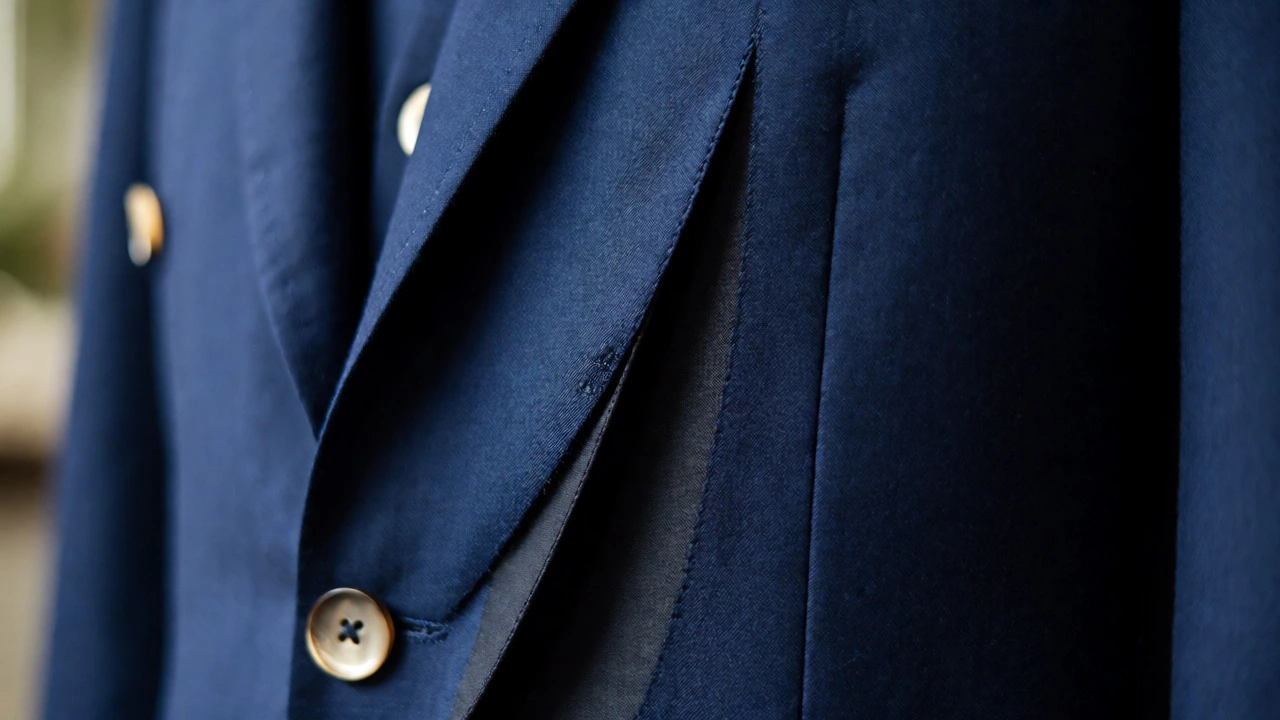
- Button Check: Are the buttons plastic or natural material (horn, mother-of-pearl)? Plastic buttons crack and look glossy/fake. Natural buttons have unique textures and matte finishes.
- Stitching Quality: Look at the buttonholes. Are they neat and reinforced? Messy stitching indicates rushed manufacturing. Also, check if the lining is attached loosely enough to allow movement. If it pulls tight when you move your arms, it’s too small or poorly constructed.
If a suit fails two of these tests, put it back. No brand name makes up for bad construction.
Frequently Asked Questions
Is it worth spending £500 on a suit?
Yes, if you wear suits regularly. A £500 suit typically offers half-canvas construction and pure wool, lasting 5-10 years with care. Cheaper suits often last only 1-2 years due to glue failure and fabric pilling, making them more expensive per wear.
What is the cheapest decent suit I can buy?
Around £150-£200 during sales at retailers like Marks & Spencer or Uniqlo. These suits usually feature wool blends and fused construction. They are acceptable for occasional wear but may not hold their shape as well as higher-tier options.
Do I need a bespoke suit for a wedding?
No. Most grooms look fantastic in a well-tailored off-the-rack suit from the £300-£600 range. Spend the savings on alterations to ensure a perfect fit. Bespoke is only necessary if you have unique proportions that standard sizes cannot accommodate.
How much should I spend on alterations?
Budget £40-£80 in the UK. This covers shortening sleeves, adjusting trouser length, and taking in the waist. Never buy a suit expecting it to fit perfectly off the rack; alterations are part of the true cost of ownership.
Are black suits appropriate for work?
Generally, no. Black suits are often associated with funerals or evening wear. For business settings, navy blue or charcoal grey are more versatile and professional. Save black suits for formal events or if your industry specifically requires them.