When Should You Throw Away Leather Shoes? Signs It’s Time to Retire Them
- Cleo Fairchild
- 19 October 2026
- 0 Comments
Leather Shoe Lifespan Checker
Check the signs below to see if it's time to retire your favorite pair of leather shoes. This tool helps distinguish between cosmetic wear (repairable) and structural failure (replace).
Cost-Benefit Analysis
Use this rule of thumb: If repair costs > 50% of new equivalent price, replace.
Awaiting Input
Select checkboxes above to analyze your shoe's condition.
You’ve got that pair of leather shoes in your closet. They’re the ones you wore on your first date, or maybe they survived a rainy commute in Bristol last winter. You love them. But lately, something feels off. The sole is wobbling slightly, the heel counter feels soft, and there’s a crease across the toe box that looks like a canyon. So, how do you know when it’s actually time to toss them versus just giving them a deep clean?
Here’s the hard truth: most people keep leather shoes too long because they confuse aesthetic wear with structural failure. A scuffed toe isn’t a death sentence; a separated sole is. Understanding the difference saves you money and prevents back pain. This guide breaks down exactly when your leather footwear has reached its end-of-life, based on physical signs, safety risks, and cost-benefit analysis.
The Sole Is Separating From The Upper
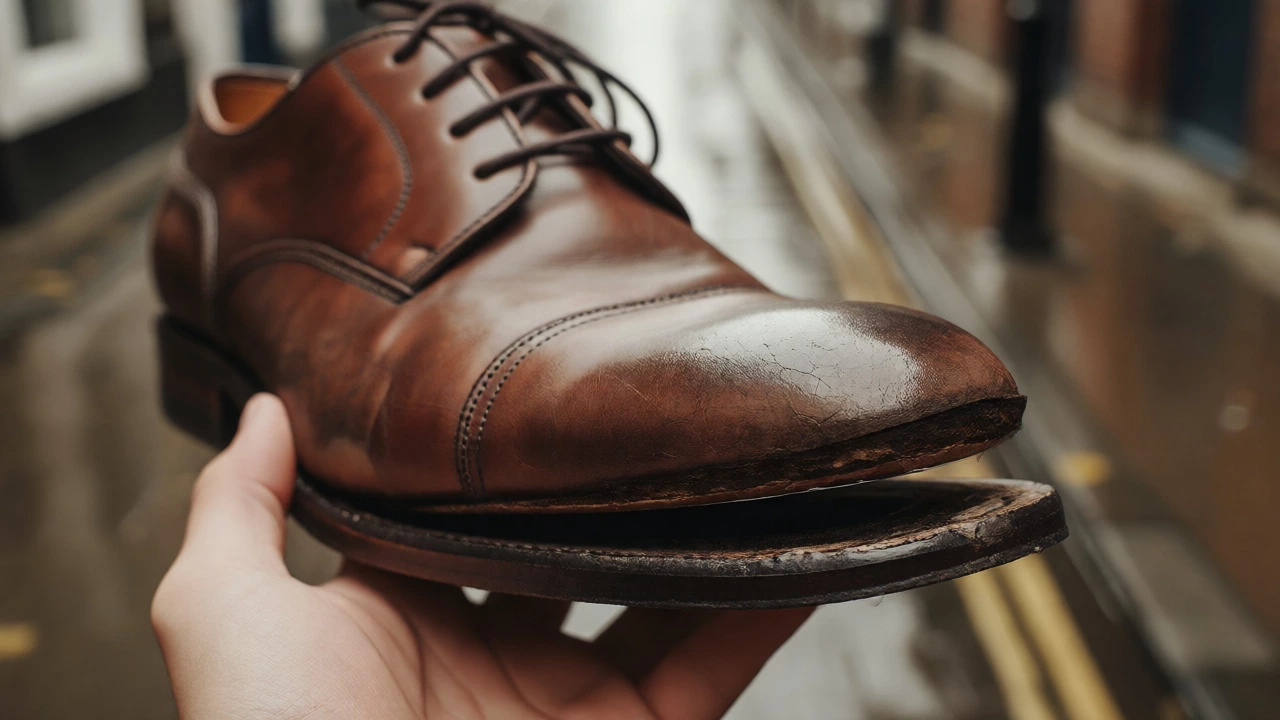
This is the non-negotiable red flag. If you can lift the edge of the sole away from the upper part of the shoe (the body) and see daylight or glue residue underneath, the bond is failing. In construction terms, this often happens with cemented soles, which are glued rather than stitched. Once water gets between the sole and the upper, the adhesive weakens further.
Can you fix it? Sometimes. A cobbler can re-glue a minor separation for £10-£15. But if the separation is widespread, especially around the flex point where your foot bends, the repair won’t hold. Why? Because every step you take pulls those two parts apart again. If you find yourself gluing them back together more than once, you’re wasting money. At that point, the structural integrity is gone. You’re walking on unstable ground, literally.
The Heel Counter Has Collapsed
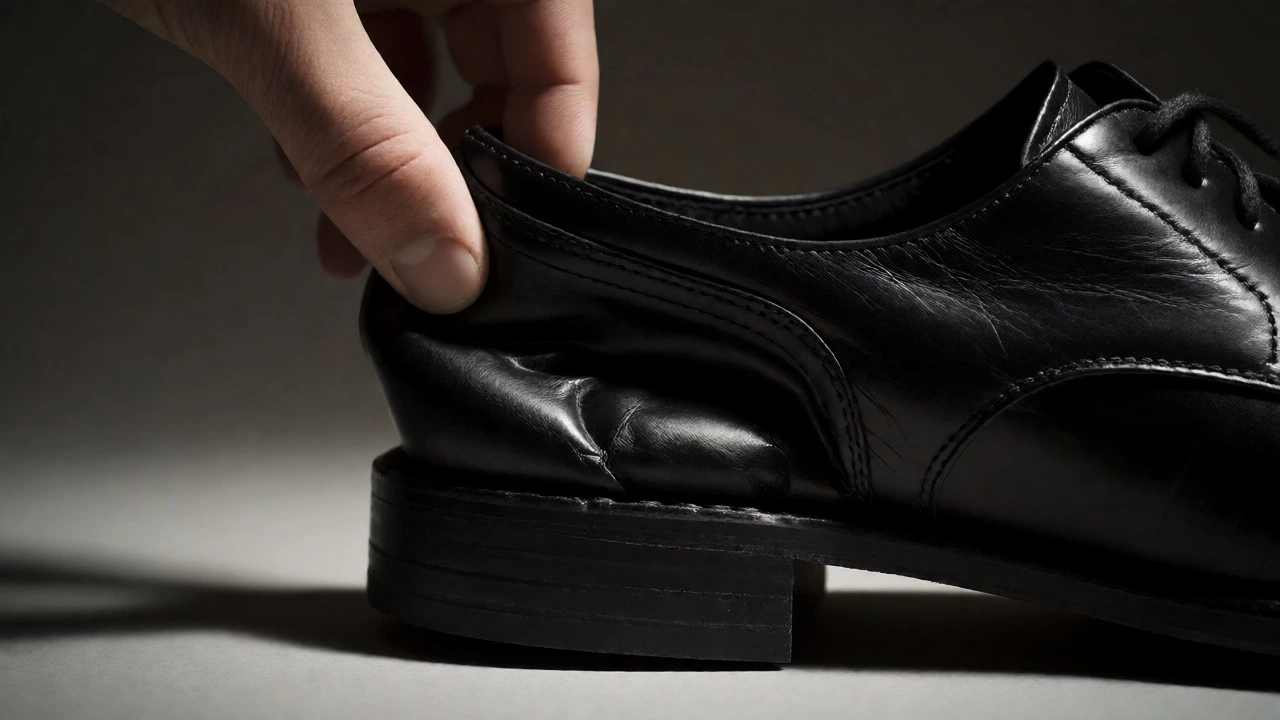
Squeeze the back of the shoe-the stiff part that cups your heel. It should feel rigid. If it feels mushy, crinkled, or folds easily under light pressure, the internal support structure has failed. This component, known as the heel counter, usually made of plastic or fiberboard, keeps your ankle stable. When it collapses, your foot slides inside the shoe, causing blisters and poor alignment.
You might not notice this immediately while walking. But after an hour on your feet, your ankles will feel tired, or you’ll experience knee discomfort. No amount of stuffing paper towels in the back fixes a broken heel counter. Once that internal skeleton breaks, the shoe loses its ergonomic purpose. It’s no longer supporting you; you’re fighting against it.
The Midsole Is Compressed Or Cracked
Look at the layer between the outsole (bottom) and the insole (top). In athletic-style leather sneakers or hybrid boots, this midsole provides cushioning. Over time, foam compresses permanently. You can test this by pressing your thumb into the midsole. If it doesn’t spring back, the cushioning is dead.
Cracks are worse. If you see visible fissures running through the midsole material, debris and moisture are getting inside. This accelerates decay. More importantly, cracked midsoles lose shock absorption. Walking on concrete without proper cushioning sends impact straight up your legs. If you’re over 40 or have joint issues, this is a health risk, not just a fashion choice. Replace them before your knees start complaining.
Leather Upper Is Cracking Beyond Repair
Leather dries out. That’s natural. But there’s a difference between fine surface scratches and deep cracks. Use the fingernail test: run your nail across the crack. If it catches, it’s deep. Deep cracks mean the leather fibers have snapped. Conditioning can soften the area, but it cannot rejoin severed fibers.
Why does this matter? Water ingress. Cracked leather lets rain seep into the shoe’s interior. Once the inner lining and insole get wet repeatedly, they rot. Mold develops. The smell becomes permanent. If you live in a damp climate like the UK, this happens faster. If conditioning doesn’t close the gap visually or functionally, the shoe is compromised. It’s no longer weatherproof.
| Issue | Severity | Action | Estimated Cost |
|---|---|---|---|
| Scuffs & Scratches | Cosmetic | Polish/Condition | £0 - £5 |
| Minor Sole Lift | Moderate | Cobbler Re-glue | £10 - £15 |
| Worn Outsole | High | Resole (if Goodyear Welt) | £30 - £60 |
| Collapsed Heel Counter | Critical | Replace Shoe | N/A |
| Deep Leather Cracks | Critical | Replace Shoe | N/A |
The Smell Won’t Go Away
We all sweat. But if your shoes smell sour even after airing them out for 48 hours, bacteria have colonized the insole and lining. Baking soda helps temporarily. Freezing them kills some bacteria. But if the odor returns within hours of wearing, the materials themselves are saturated.
Once the insole is compressed and the lining is stained dark from sweat salts, cleaning becomes impossible. You can’t wash leather shoes thoroughly without damaging the glue and shape. If you’ve tried enzymatic cleaners and charcoal bags with no success, the shoe is biologically spent. Keeping them won’t improve hygiene; it’ll just make your feet itchier.
Cost-Benefit Analysis: When To Let Go
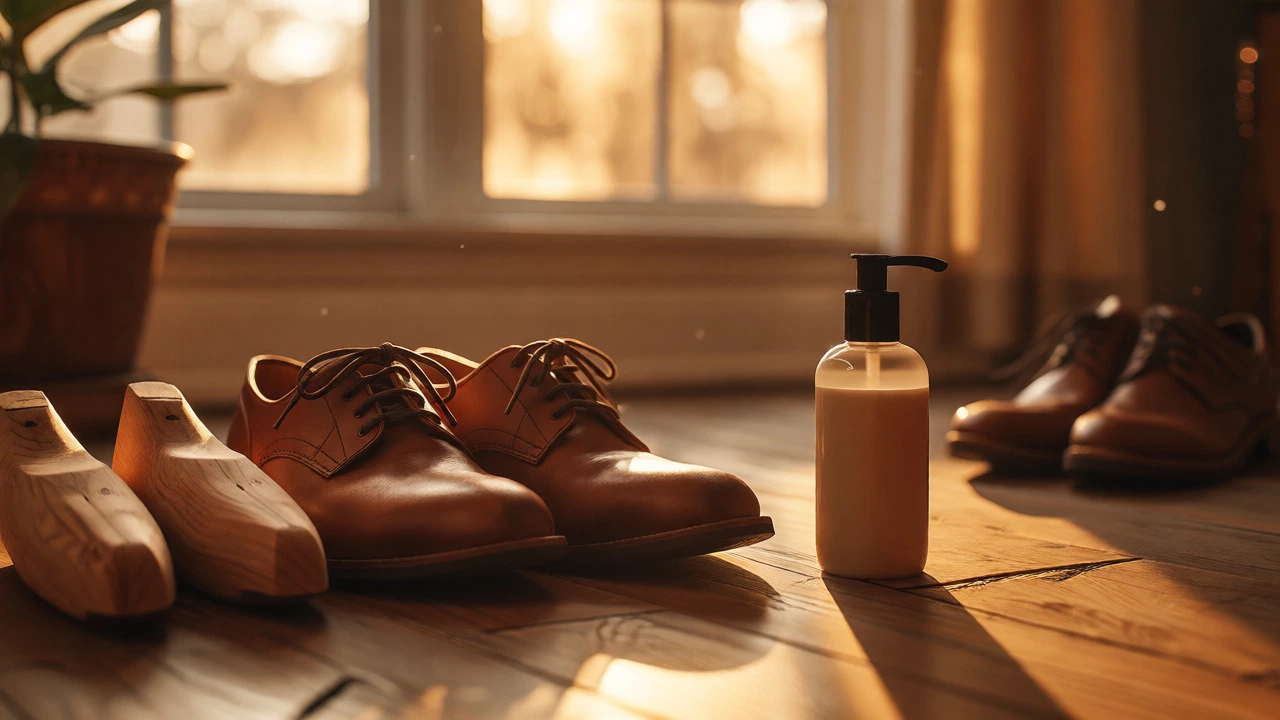
Not all leather shoes are created equal. A £40 high-street pair rarely justifies a £40 resoling fee. A £200 handmade pair absolutely does. Here’s a simple rule of thumb: if the repair costs more than 50% of the price of a new equivalent pair, throw them away.
Consider the construction type. Goodyear welted shoes are designed to be resoled multiple times. The stitching holds the sole to the upper, allowing cobblers to cut off the old sole and stitch on a new one without damaging the upper. Cemented shoes, common in fashion brands, are harder to resole cleanly. Often, attempting to resole a cheap cemented shoe damages the upper beyond repair.
Ask yourself: Do I still like the style? Does it fit my current foot shape? Feet change size and width over decades. If the shoe pinches now, but didn’t five years ago, your feet have changed. Don’t force a retired shoe to fit a new body. Buy a new pair that matches your current anatomy.
How To Extend The Life Of Your Next Pair
Before you toss the old ones, learn from their demise. Most premature deaths happen due to neglect. Rotate your shoes. Never wear the same pair two days in a row. Leather needs 24 hours to dry out fully from sweat. Using shoe trees, preferably cedar, absorbs moisture and maintains shape.
Condition quarterly. Not weekly, not yearly. Every three months, apply a quality cream conditioner. This replenishes oils lost to air and friction. Also, use a protective spray before the first wear, especially in wet climates. Prevention is cheaper than replacement.
Can I fix separated leather soles myself?
You can try shoe goo or contact cement for small lifts, but it’s rarely permanent. Professional cobblers use industrial adhesives and clamps that home kits lack. For a lasting fix, pay the £10-£15 fee.
Is it worth resoling expensive dress shoes?
Yes, if they are Goodyear welted or Blake stitched. Resoling costs £30-£60, which is significantly less than buying a new £200+ pair. However, if the upper leather is heavily cracked or the heel counter is collapsed, resoling won’t save the shoe.
How often should I condition leather shoes?
Every three months is standard. If you wear them daily in harsh weather, condition monthly. Over-conditioning can soften leather too much, reducing support. Always test on a small hidden area first.
Do leather shoes shrink or stretch?
Leather stretches slightly with wear and heat, conforming to your foot shape. It generally does not shrink unless exposed to extreme heat or improper drying. If your shoes feel tight initially, they may loosen up. If they feel loose, they likely won’t tighten back up.
What causes black marks on leather soles?
This is normal wear from asphalt and rubber surfaces. It’s cosmetic and doesn’t affect performance. Some people add thin rubber half-soles to protect leather bottoms, but it changes the grip and look.