What Is the Evening Attire Dress Code? A Simple Guide to Dressing Right for Night Events
- Cleo Fairchild
- 1 December 2025
- 0 Comments
Evening Attire Checker
Men's Attire
Dark navy or charcoal suit, button-down shirt in white or light blue, silk tie or bow tie, polished dress shoes, watch.
Women's Attire
Knee to mid-calf dress, subtle texture (silk, satin), neutral tones, heels or elegant flats, one statement piece jewelry.
What to Avoid
Flip-flops, sneakers, logos on clothing, white outfits (unless bride), overly casual fabrics.
Ever shown up to a dinner party and felt like you were wearing the wrong thing? You weren’t alone. Evening attire isn’t just about looking nice-it’s about matching the energy of the event. Too casual, and you stand out for the wrong reasons. Too formal, and you look like you’re trying too hard. The truth is, most people don’t know what evening attire actually means-and that’s why they stress over it.
What Does ‘Evening Attire’ Even Mean?
Evening attire isn’t one thing. It’s a range, and where you fall depends on the time, place, and invitation. Think of it like a scale: from smart casual all the way up to black tie. Most events in the UK fall somewhere in the middle-think dinner at a fine restaurant, a wedding reception after 6 p.m., or a gallery opening. You’re not expected to wear a ball gown or a tuxedo unless it says ‘black tie’ outright.
Here’s the simplest way to break it down:
- Black tie = tuxedo for men, full-length gown for women
- Cocktail = suit and tie for men, knee-length or tea-length dress for women
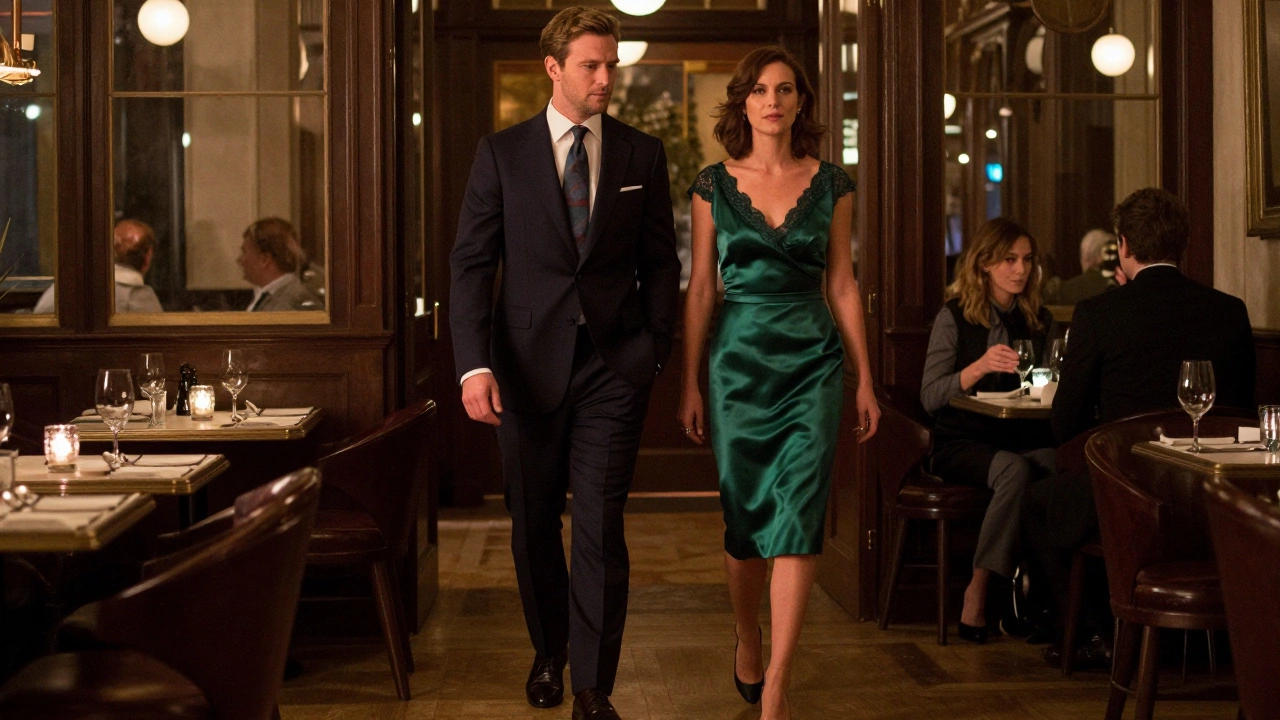
- Evening formal = dark suit for men, elegant dress (not necessarily floor-length) for women
- Smart evening = nice blazer and trousers or a dressy top with tailored pants for men; dressy dress or separates for women
Most invitations that say ‘evening attire’ mean the last one-smart evening. That’s the sweet spot for 80% of events you’ll be invited to in 2025.
What Women Should Wear
Women have more flexibility, but that doesn’t mean anything goes. A little black dress? Perfect. A sequined mini? Only if it’s a nightclub. A flowy maxi? Great for a garden dinner. A plain turtleneck and jeans? Not unless you’re going to a friend’s casual rooftop party.
For most evening events, aim for:
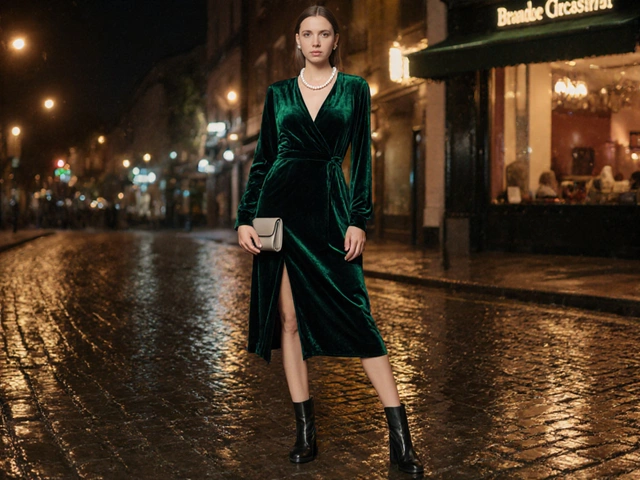
- A dress that hits between the knee and mid-calf
- Subtle sparkle or texture (lace, silk, satin, velvet-not glitter bombs)
- Neutral or deep tones: black, navy, burgundy, emerald, charcoal
- Heels or elegant flats-no sneakers, no flip-flops, no chunky boots
- Minimal jewelry: one statement piece, not a full set
Pro tip: If you’re unsure, pick a dress with sleeves. Sleeveless is fine for summer weddings, but in the UK, evening events often run cool. A short-sleeve or three-quarter sleeve dress looks polished and keeps you warm.
What Men Should Wear
Men’s evening attire is simpler-but easier to mess up. A dark suit is the default. Not just any suit. Think:
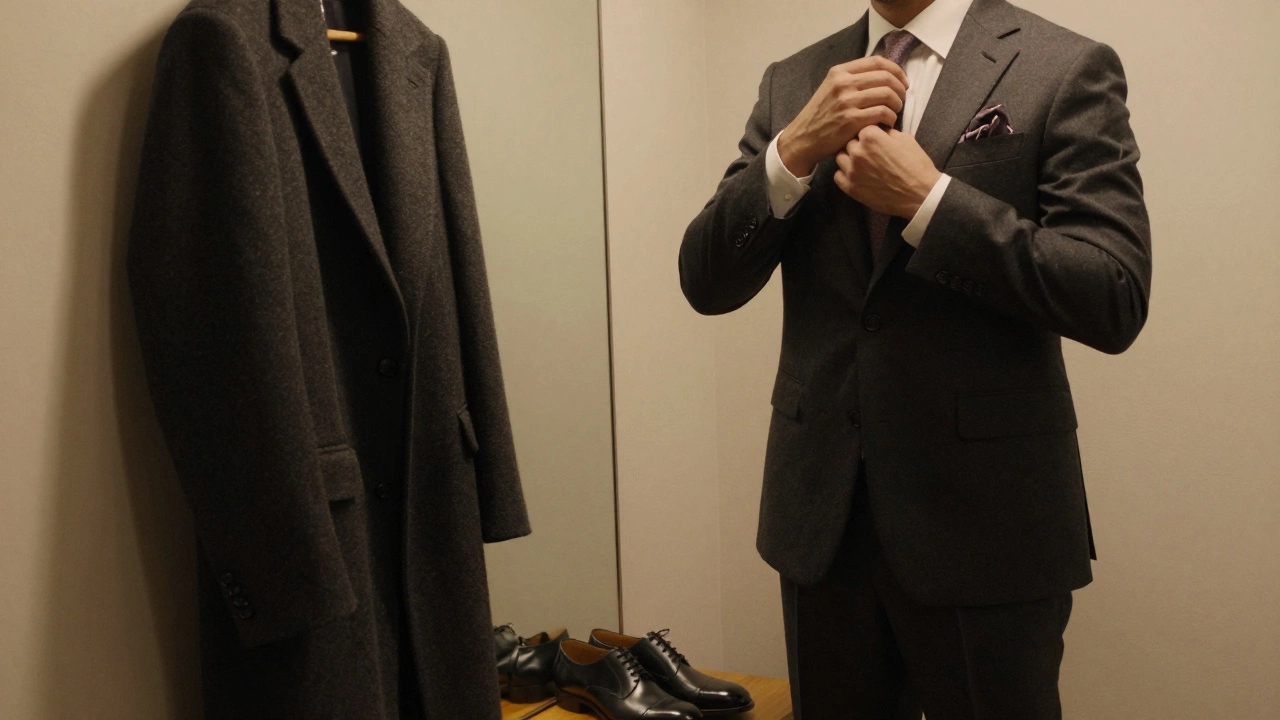
- Dark navy or charcoal suit
- Button-down shirt in white or light blue
- Silk tie or bow tie (if it’s cocktail or black tie)
- Polished dress shoes-no brogues, no loafers, no suede
- Watch, not a fitness tracker
Don’t wear a blazer with jeans. Don’t wear a tie with an open collar. Don’t wear a white shirt with a dark suit unless it’s crisp and ironed. These aren’t fashion rules-they’re social signals. You’re saying, ‘I respect this occasion.’
And no, you don’t need a tuxedo unless it says ‘black tie.’ A well-fitted dark suit with a tie is more than enough for 90% of evening events in Bristol, London, or anywhere else in the UK.
What to Avoid
Some things never work, no matter the event:
- White or cream outfits (unless it’s a wedding and you’re the bride)
- Logos on shirts or dresses
- Flip-flops, sneakers, or sandals
- Overly casual fabrics: cotton T-shirts, sweatpants, denim
- Too much perfume or cologne
- Accessories that clash: chunky bracelets, oversized earrings, multiple rings
And here’s one most people forget: your shoes should match your belt. It sounds small, but it’s the detail that makes you look put-together, not just dressed.
How to Decode the Invitation
Most invites don’t say ‘evening attire’ outright. They use codes:
- Black tie = tuxedo or long gown
- Cocktail = shorter dress, suit and tie
- Formal = same as evening attire
- Smart casual = dressy but relaxed-blazer and chinos, dressy top with trousers
- Business formal = suit and tie, no exceptions
If it says ‘evening’ or ‘formal evening,’ go with smart evening. If it says ‘black tie,’ don’t show up in a navy suit unless you want to be the guy who didn’t get the memo.
Still unsure? Call the host. Most people appreciate you asking. It’s better than showing up in a hoodie.
Seasonal Tips for the UK
It’s December 2025. It’s cold. Even if the event is indoors, you’ll be walking outside. Layer smartly.
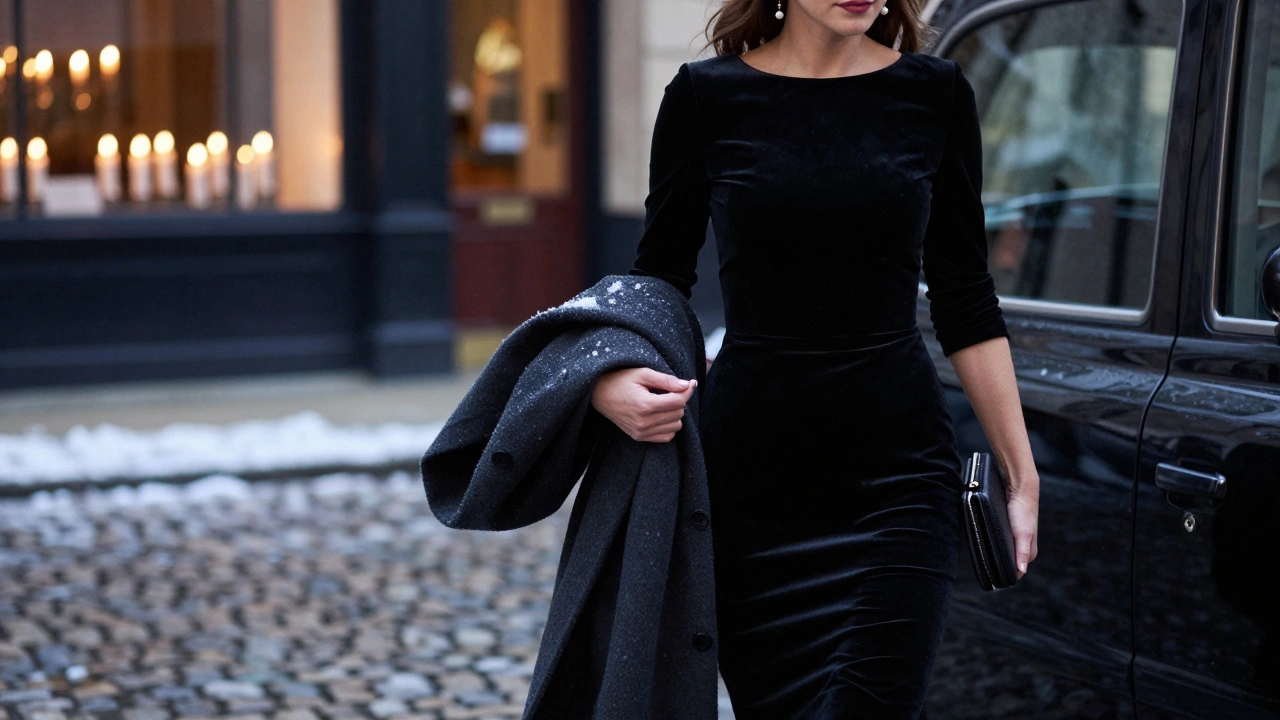
- Women: Wear a tailored coat or wrap. A faux fur stole adds elegance without bulk.
- Men: A wool overcoat in charcoal or navy. Avoid puffer jackets.
- Both: Bring a small clutch or pocket square. No backpacks. No tote bags.
And yes, you can wear a dress in winter. Just pair it with tights, a long coat, and closed-toe heels. No one will notice your legs-they’ll notice how polished you look.
Real Examples from Real Events
Last month, a friend invited me to a dinner at The Ivy in Bristol. The invite said ‘evening attire.’ Here’s what people actually wore:
- 60% wore dark suits with ties
- 30% wore elegant dresses (mostly knee-length, some tea-length)
- 8% wore blazers with trousers (women) or smart shirts without ties (men)
- 2% wore jeans. They sat near the door.
Not one person wore a tuxedo. Not one woman wore a floor-length gown. And everyone felt comfortable. That’s the goal.
When in Doubt, Lean Formal
You can always take off a jacket. You can’t put on elegance if you’re wearing the wrong thing. If you’re unsure, pick the outfit that feels slightly more formal than you think you need. You’ll blend in. You’ll feel confident. And you won’t spend the whole night wondering if you messed up.
Evening attire isn’t about impressing people. It’s about showing up as the version of yourself that respects the moment. That’s all.