Winter Clothing: What to Wear, What to Avoid, and How to Stay Warm Without Looking Bulky
When it comes to winter clothing, clothing designed to protect against cold, wind, and damp conditions, especially in UK winters. Also known as cold-weather gear, it’s not just about piling on layers—it’s about choosing the right ones that trap heat, move with you, and don’t make you look like a walking backpack. Too many people think winter clothing means oversized puffers and thick wool sweaters that weigh you down. But the best winter outfits are smart, layered, and tailored to your life—whether you’re commuting, working on your feet, or heading out for dinner.
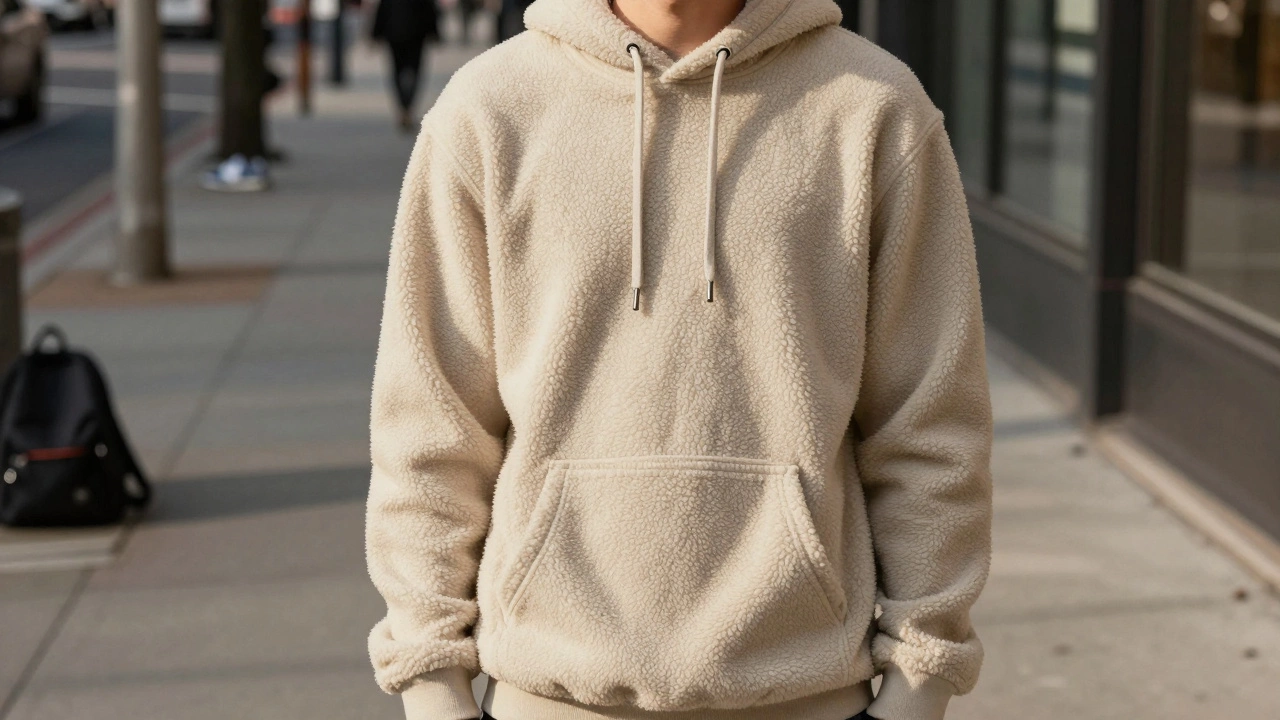
Winter coats, outerwear designed to block wind and retain body heat, often with insulation like down, synthetic fill, or fleece. Also known as cold-weather jackets, it’s the first line of defense—but it’s useless if what’s underneath doesn’t work with it. Thermal layers are the secret. Not the kind that feel like a blanket glued to your skin, but lightweight, moisture-wicking base layers made from merino wool or synthetic blends. They pull sweat away so you don’t get chilly when you stop moving. Then comes the mid-layer: a fleece, a lightweight down vest, or even a bodywarmer, a sleeveless insulated garment that keeps your core warm while letting your arms move freely. Also known as puffer vest, it’s perfect under a coat or on its own for errands. This is why you’ll find articles here about sleeveless outerwear and hoodie styles—they’re not fashion afterthoughts, they’re functional tools.
And don’t forget your feet. Wet shoes aren’t just uncomfortable—they’re dangerous. Leather shoes can survive a splash if you dry them right, but you need the right soles for icy pavements. Winter footwear, shoes or boots designed for cold, wet, or slippery conditions, often with grip, insulation, and water resistance. Also known as cold-weather boots, they’re not just about looks. If you stand all day at work, your shoes need support, not just warmth. That’s why guides on work shoes and leather care show up here—they’re part of the same puzzle.
You’ll notice a pattern in the articles below: no one’s selling you a $500 coat. Instead, they’re showing you how to build a winter wardrobe that works with what you already own. How many hoodies you really need. What jeans actually look good in winter. Whether your slipper size matches your shoe size. It’s all connected. Winter clothing isn’t about buying more—it’s about buying smarter. It’s about knowing what traps heat, what lets your skin breathe, and what won’t fall apart after two snowfalls.
What you’ll find here isn’t a list of trends. It’s a practical toolkit. From how to dry wet leather shoes without ruining them, to why a zip-up hoodie might be your best winter layer, to what shoes are actually allowed in UK offices when it’s freezing outside—every article answers a real question someone had while shivering on the bus or trying to look presentable after a walk in the rain. No jargon. No hype. Just what works.
- Cleo Fairchild
- Dec, 1 2025
- 0 Comments
Are Hoodies and Sweaters the Same? Here’s the Real Difference
Hoodies and sweaters look similar but are built differently. Hoodies have hoods and are made from fleece; sweaters are knitted without hoods. Know the difference to choose the right one for comfort or style.