Men's Suit Cost: What You Really Pay for a Good Suit in the UK
When you buy a men's suit, a tailored outfit made of jacket and trousers, typically worn for formal or professional occasions. Also known as a business suit, it’s one of the few clothing items that can instantly change how you’re perceived — whether you’re walking into a job interview, a wedding, or a boardroom. But here’s the truth: not all suits are created equal, and the price doesn’t just cover the fabric. It’s paying for fit, construction, brand, and whether it was made to last or just to look good for a photo.
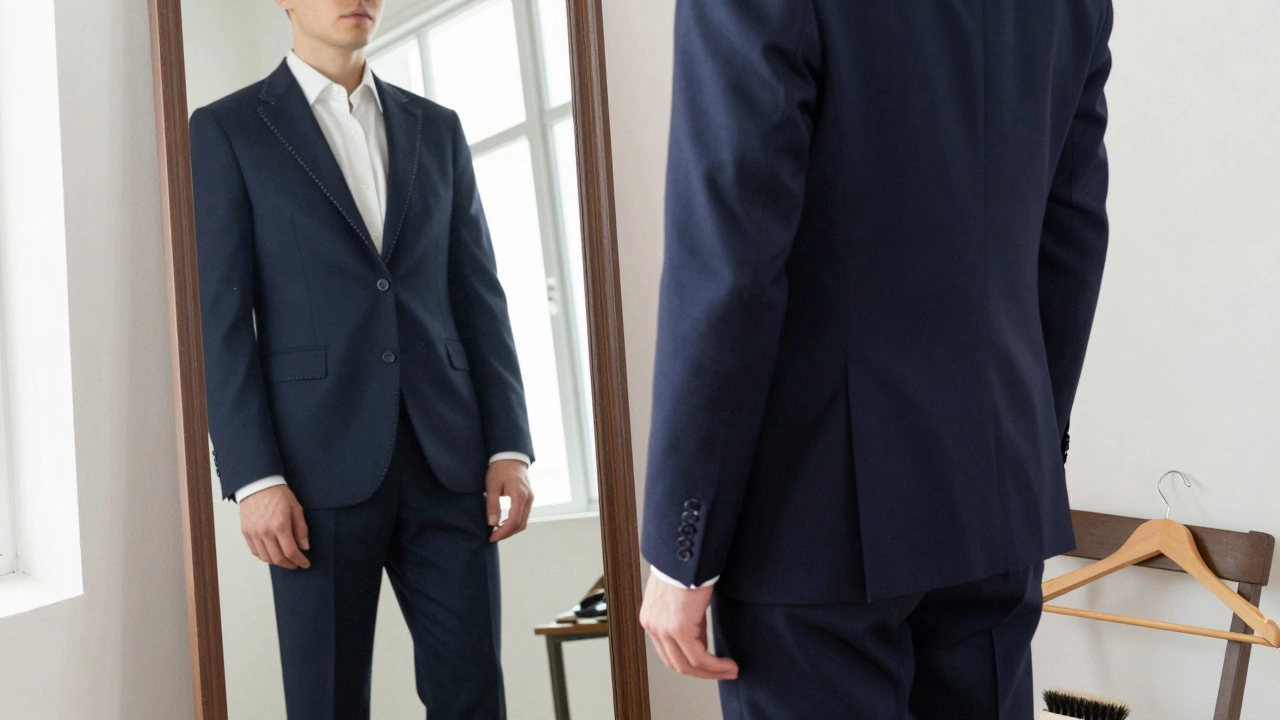
The suit fit, how well the jacket and trousers sit on your body, especially around shoulders, waist, and sleeves is the biggest factor most people ignore. A £300 off-the-rack suit might look fine in the mirror, but if the shoulders are too wide or the sleeves are too long, you’ll look sloppy. A £800 suit that’s tailored properly? It’ll look like it was made for you — because it was. And that’s why tailoring matters more than brand. You can buy a cheap suit and spend £50 on adjustments, or spend £500 on one that’s already close to perfect. The math usually works out better to go mid-range and tailor it.
Then there’s the suit price, the total cost of purchasing a suit, including brand markup, materials, and where it’s made. In the UK, you’ve got three real tiers: budget (under £200), mid-range (£200–£600), and premium (£700+). Budget suits are often made with synthetic blends, thin lining, and glued construction — they’ll pill, sag, or fall apart after a few wears. Mid-range suits from brands like Suitsupply, Charles Tyrwhitt, or even Marks & Spencer’s higher-end lines use better wool, proper canvassing, and stitched lapels. These are the suits you can wear for years. Premium suits? They’re hand-cut, often from Italian mills, and built to last decades. Most people don’t need them — unless you’re in a suit-heavy job or want a true heirloom piece.
Don’t forget the tailoring cost, the price of adjusting a suit to fit your body, usually done by a local tailor. It’s not an extra — it’s part of the deal. Hemming trousers, taking in the waist, shortening sleeves — these aren’t luxuries. They’re necessities. A good tailor will charge £30–£80 for basic adjustments. That’s cheaper than buying two cheap suits that never fit right.
And if you’re wondering why some suits cost three times more than others, it’s not just the logo. It’s the wool source, the number of stitches per inch, the hand-stitched buttonholes, the lining material. A £1,500 suit might have 10,000 hand-stitched stitches. A £200 suit? Maybe 2,000, mostly machine-done. You can’t see it, but you’ll feel the difference — in how it moves with you, how it holds its shape, how long it lasts.
There’s no magic number for the "right" men's suit cost. But if you’re serious about looking sharp without overspending, aim for £300–£500, then spend £50 on tailoring. That’s how you get a suit that looks expensive without costing a fortune. The posts below break down exactly what you get at each price point, which brands actually deliver value, and how to spot a suit that’s built to last — not just to sell.
- Cleo Fairchild
- Dec, 4 2025
- 0 Comments
What Is a Good Amount of Money to Spend on a Suit?
Learn how much to spend on a suit based on how often you'll wear it. From budget options to long-term investments, find the right price point for your needs without overspending.