How Much to Spend on a Suit: Real Costs, Best Values, and What Actually Matters
When you’re buying a suit, a tailored outfit made of coordinated jacket and trousers, typically worn for formal or professional settings. Also known as a business suit, it’s one of the few clothing items that can instantly change how people see you—whether you’re walking into a job interview, a wedding, or a client meeting. The big question isn’t just "What’s the cheapest suit?" It’s "What’s the smartest suit to buy?" Because spending more doesn’t always mean looking better. And spending too little can mean looking cheap—or worse, uncomfortable and out of place.
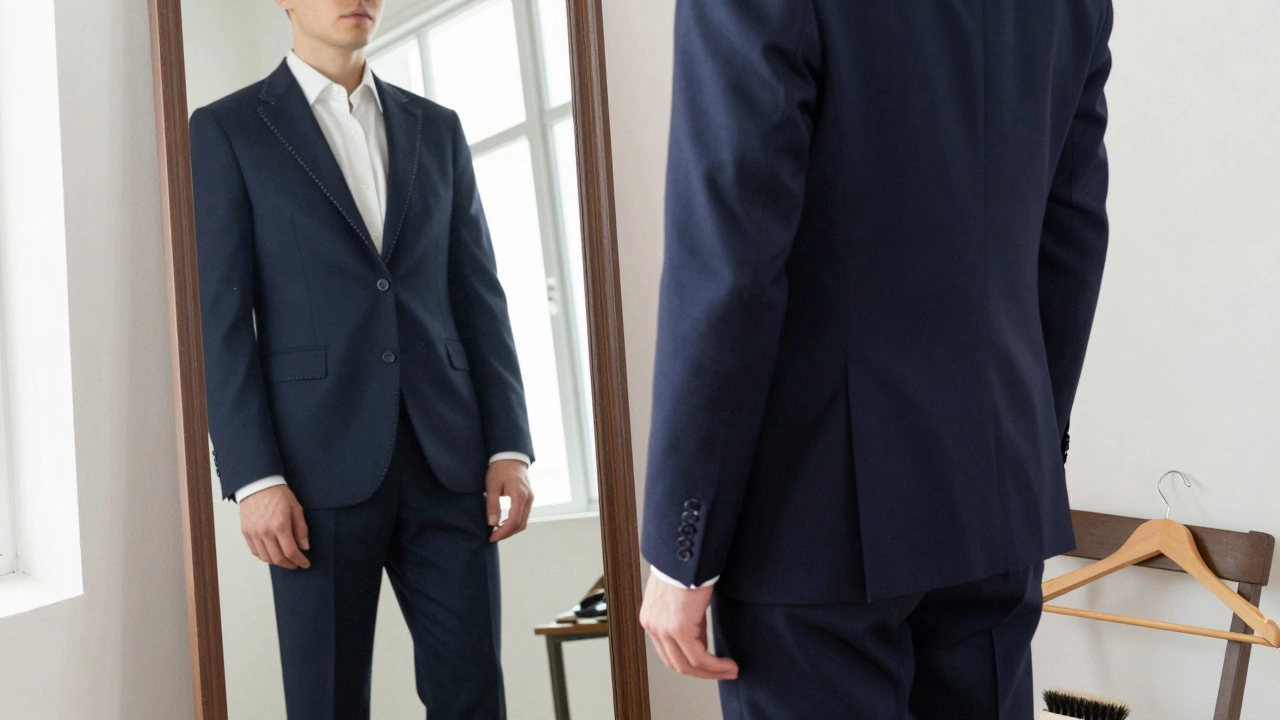
A good suit fits like a second skin. That’s not just a saying—it’s a rule. If the shoulders are too wide, the sleeves are too long, or the pants pool at your shoes, no amount of brand name will fix it. That’s why tailoring, the process of adjusting clothing to fit a person’s body shape matters more than the price tag. You can buy a £300 suit and pay £80 to get it fitted right, and you’ll look sharper than someone in a £1,000 suit that’s never been touched by a tailor. The real value isn’t in the label—it’s in the cut.
So where do you start? If you’re on a tight budget, £200–£350 gets you a decent off-the-rack suit from brands like M&S, Next, or H&M’s premium lines. These work fine for interviews or casual weddings, but don’t expect them to last five years. For a suit you’ll wear for years, £400–£700 is the sweet spot. That’s where you start seeing better fabrics—wool blends with real wool content, proper lining, and stitching that won’t unravel after two wears. Brands like Moss Bros, Suitsupply, or even online retailers like Indochino offer this range with solid quality. And if you’re buying for a special occasion or want something that lasts a decade? Go £800+. That’s when you get full wool, hand-stitched details, and fabrics that breathe, drape, and hold their shape even after dry cleaning.
But here’s what most people miss: the suit isn’t just the jacket and pants. It’s the shirt, a formal top worn under a suit, typically with a collar and buttons, the tie, a narrow fabric strip worn around the neck with a suit, and the shoes, formal footwear designed to match a suit, usually leather and polished. A £600 suit looks cheap with a £20 polyester tie and scuffed loafers. That’s why smart buyers budget for the whole set—not just the suit. A £50 belt, £120 leather shoes, and a £40 cotton shirt complete the look and make the whole outfit feel intentional.
You don’t need to spend a fortune. But you do need to spend wisely. A suit that fits, feels good, and matches your life is worth more than one that looks expensive but makes you squirm. Whether you’re dressing for work, a wedding, or just want to feel confident walking into a room, the right suit doesn’t scream "I spent a lot." It whispers "I know what I’m doing."
Below, you’ll find real guides on what to wear with your suit, how to pick the right shoes, how to care for it, and how to spot a bad fit before you even walk out of the store. No fluff. Just what works.
- Cleo Fairchild
- Dec, 4 2025
- 0 Comments
What Is a Good Amount of Money to Spend on a Suit?
Learn how much to spend on a suit based on how often you'll wear it. From budget options to long-term investments, find the right price point for your needs without overspending.