How to Pick an Evening Dress: A Practical Guide for 2026
- Cleo Fairchild
- 21 September 2026
- 0 Comments
Evening Dress Matchmaker
Not sure what to wear? Answer three simple questions to get a personalized recommendation for your next event.
Your Perfect Look
Recommended Fabrics
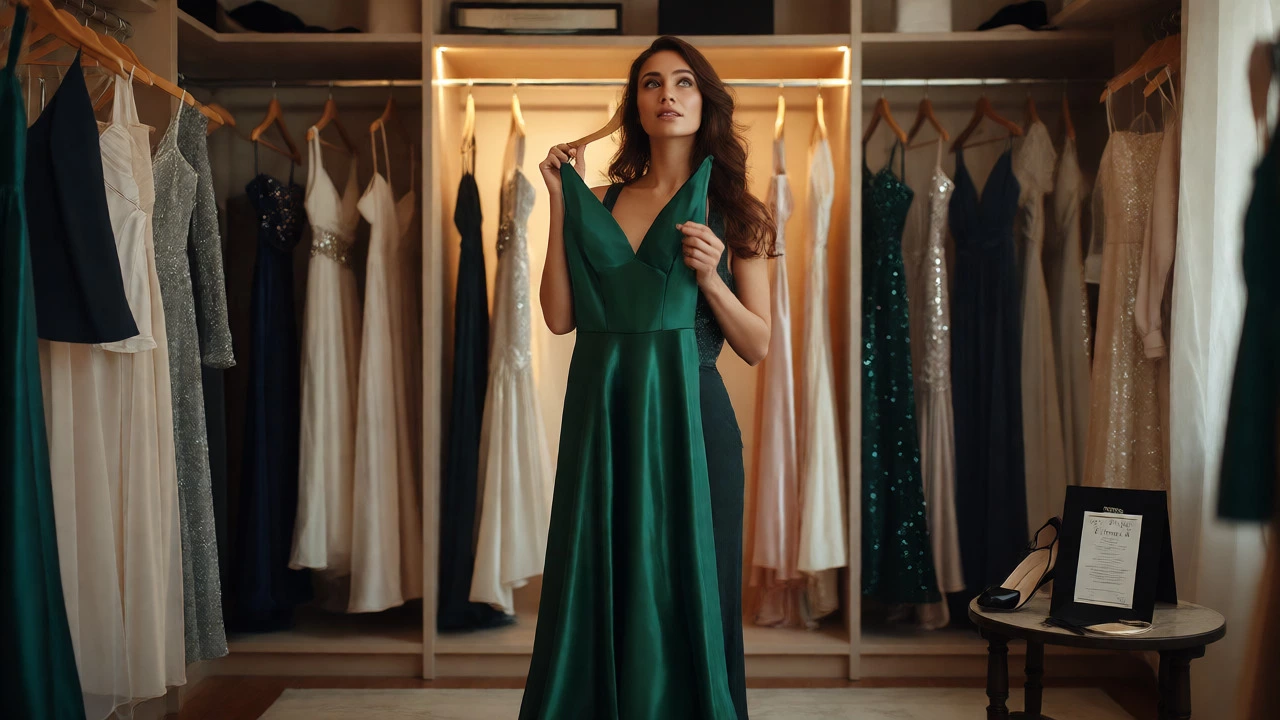
Standing in front of a closet full of clothes but having "nothing to wear" is a universal struggle, especially when an evening dress invitation lands on your calendar. It’s not just about buying something pretty; it’s about navigating dress codes, understanding fabrics that don’t cling or wrinkle under event lighting, and choosing a silhouette that actually makes you feel confident rather than self-conscious. Most people panic and grab the first sparkly thing they see, only to realize three hours into the party that their hem keeps catching on heels or their neckline is too loose. Let’s fix that.
Decoding the Dress Code Before You Shop
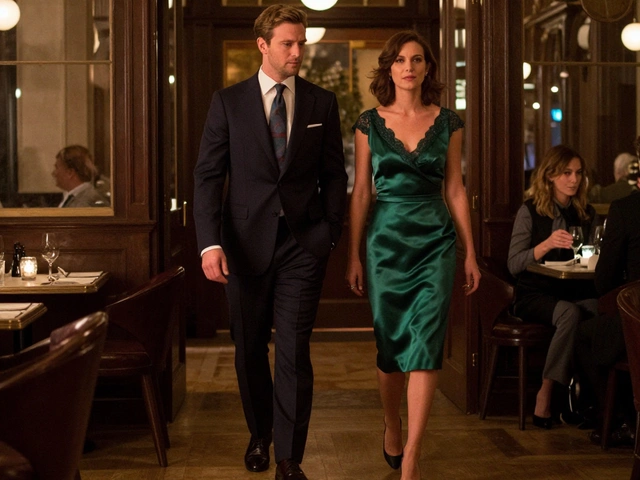
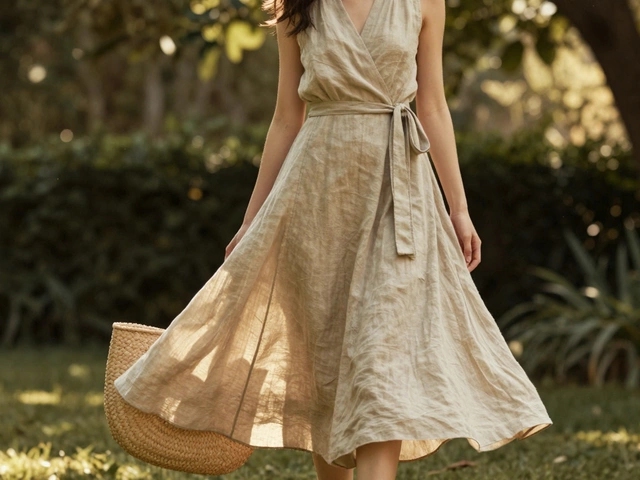
You cannot pick the right dress if you don’t know where you’re going. The term "evening wear" is vague and often misinterpreted. If the invite says Black Tie, it strictly means floor-length gowns for women and tuxedos for men. Showing up in a cocktail dress here is a faux pas. Conversely, Cocktail Attire, typically calls for knee-length or midi dresses that are elegant but not overly formal. A common mistake I see in Bristol is guests wearing maxi dresses to semi-formal garden parties, which can look out of place if the venue is casual.
Here is how to match the dress length to the event type without guessing:
- White Tie: Full ball gown, opera gloves, tiara optional. This is rare, usually reserved for state dinners or royal events.
- Black Tie: Floor-length evening gown. Fabrics should be luxurious (silk, velvet, satin). No daytime prints.
- Formal / Black Tie Optional: You have flexibility. A sophisticated midi dress with high-end accessories works, as does a shorter cocktail dress if the cut is sharp.
- Cocktail: Knee-length to tea-length. Playful patterns, bolder colors, and modern cuts are welcome here.
- Semi-Formal / Dressy Casual: Nice separates, a simple sheath dress, or a stylish jumpsuit. Avoid anything too revealing or glitter-heavy.
Choosing the Right Silhouette for Your Body Type
Forget what fashion magazines say about "ideal" bodies. The goal is balance. You want to highlight your favorite features and skim over areas you might feel less comfortable with. There is no one-size-fits-all, but there are proven shapes that work for specific frames.
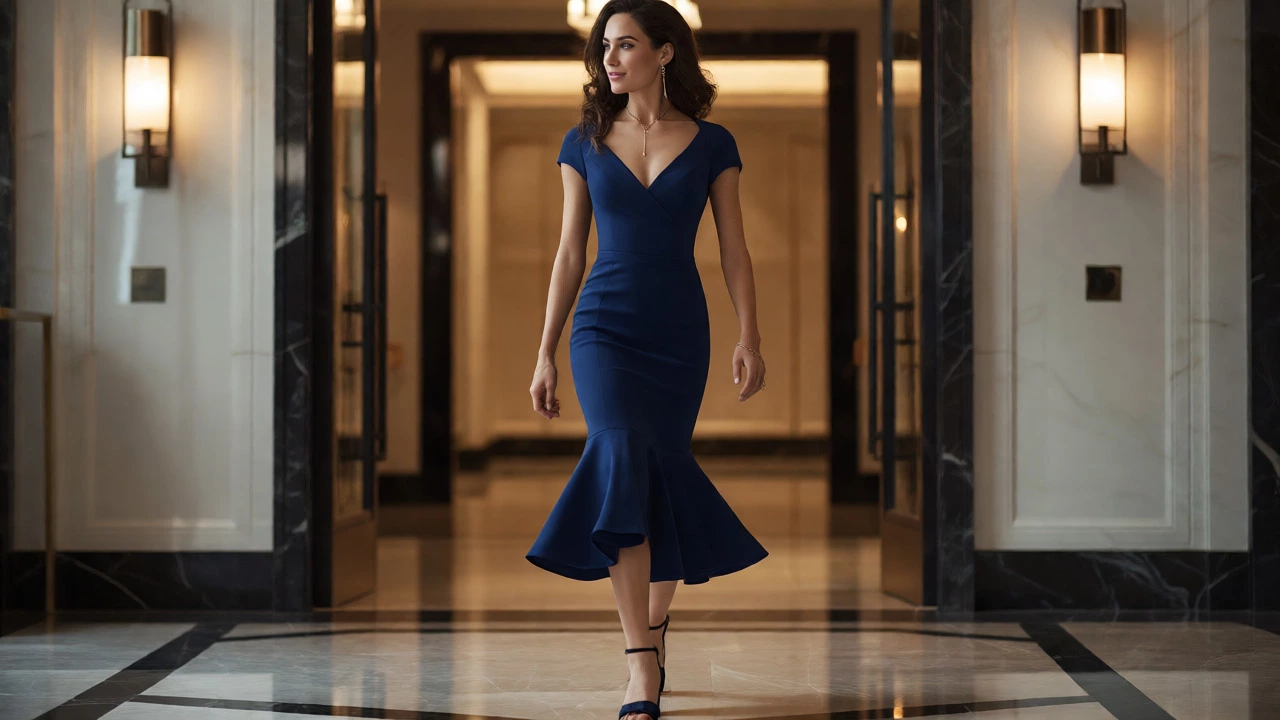
If you have an hourglass figure, you already have balanced shoulders and hips with a defined waist. You don’t need to create curves; you just need to show them. A Mermaid Gown, a fitted dress that flares at the knees, accentuates natural curves perfectly. Wrap dresses also work wonders here because they emphasize the waistline without being restrictive.
For pear-shaped bodies, where hips are wider than shoulders, your aim is to draw attention upward. An A-line skirt flows away from the hips, creating a smooth line. Pair this with a detailed neckline-like boat necks, halter tops, or embellished straps-to broaden the shoulder area visually. Avoid tight pencil skirts that hug the widest part of your hips unless you are very confident in them.
Apple-shaped figures carry weight around the midsection. Empire waists, which sit just under the bust, are your best friend. They drape loosely over the stomach while highlighting the décolletage. V-necks help elongate the torso. Avoid thick belts at the natural waist, which can cut you in half and emphasize the belly.
Petites need to be careful with volume. Too much fabric can overwhelm a smaller frame. High-waisted styles make legs look longer. Monochromatic colors create a vertical line, making you appear taller. Avoid heavy horizontal stripes or large prints that can swallow you whole.
Fabric Matters More Than Color
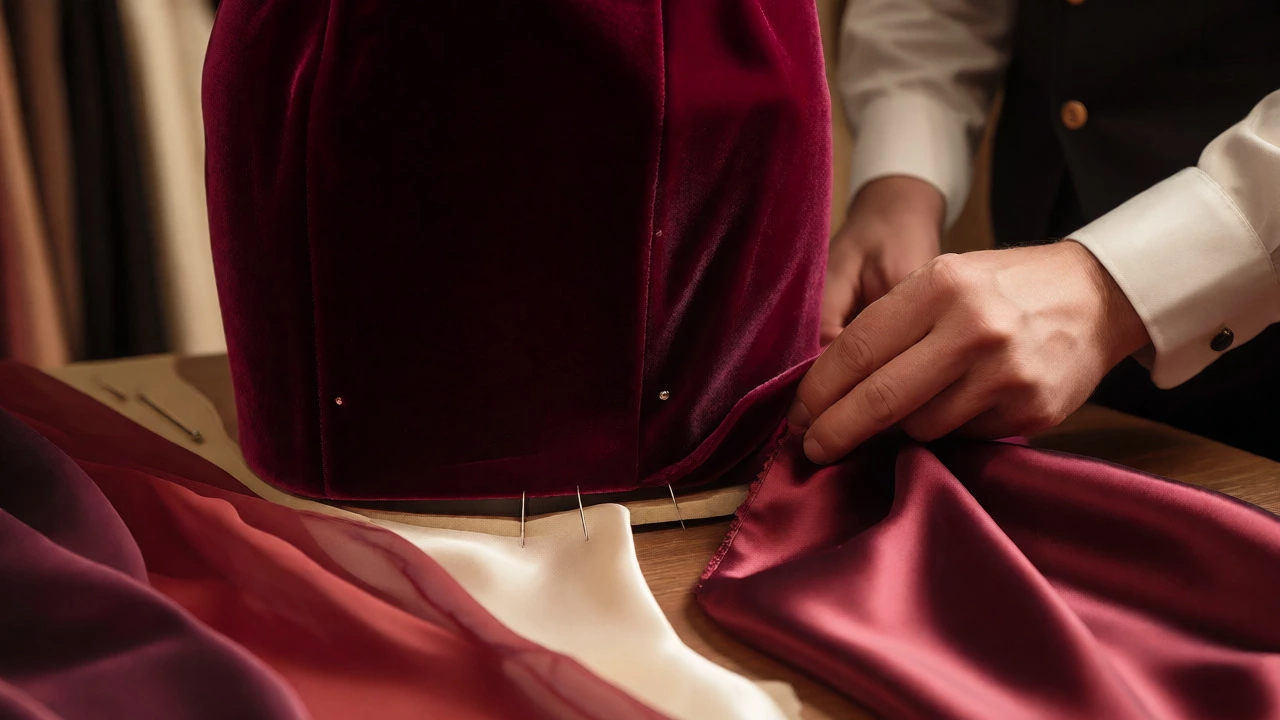
Many shoppers obsess over color but ignore fabric, which is the biggest mistake. Cheap polyester looks cheap under harsh event lighting. It clings, it wrinkles instantly when you sit, and it doesn’t breathe. If you are sweating through a gala, you aren’t enjoying it.
Look for natural fibers or high-quality synthetics designed to mimic them. Silk, drapes beautifully and regulates temperature, though it requires careful handling. Velvet, is perfect for autumn and winter events, offering structure and richness. Chiffon is great for flowy, romantic looks but needs a good lining to prevent transparency issues. Satin offers a sleek, modern look but shows every seam and wrinkle, so tailoring must be precise.
A quick test: crumple a corner of the fabric in your hand for ten seconds. Release it. If it stays wrinkled, you will spend the entire evening smoothing it out. If it springs back, you are safe.
| Fabric Type | Best For | Maintenance | Season |
|---|---|---|---|
| Silk | Luxury feel, breathability | Dry clean only, prone to stains | All year |
| Velvet | Structure, warmth, drama | Steam gently, avoid crushing pile | Fall/Winter |
| Chiffon | Flow, layering, lightness | Delicate, may snag easily | Spring/Summer |
| Satin | Sleek lines, shine | Shows wrinkles, needs steaming | All year |
| Taffeta | Volume, crisp structure | Noisy (rustles), holds shape well | Winter/Galas |
The Importance of Tailoring and Fit
Off-the-rack sizes are inconsistent across brands. A size 12 in one store might fit like a size 8 in another. Never buy an evening dress based solely on the tag number. Try it on with the exact shoes and underwear you plan to wear. This changes how the dress sits on your body significantly.
Check these three critical points:
- The Bust: You should be able to slide two fingers between the dress and your chest comfortably. If it gaps, you need a smaller cup size or alteration. If it digs in, go up a size and take in the waist.
- The Waist: This should be the narrowest point of the dress, not necessarily your natural waist. Ensure you can sit down without the fabric pulling uncomfortably tight across your ribs.
- The Hem: Have a tailor adjust the length specifically for your shoes. A dress that pools on the floor is a tripping hazard; one that is too short loses its elegance. Aim for a hem that grazes the floor or shows just a hint of shoe toe.
Budget for alterations. In the UK, expect to pay £30-£80 for basic adjustments. It is worth every penny. A cheap dress tailored well looks expensive; an expensive dress that fits poorly looks cheap.
Accessories and Shoes: The Final Touch
Your dress dictates your accessories, not the other way around. If your dress has intricate beading or a high neckline, keep jewelry minimal. Stud earrings and a simple bracelet suffice. If the dress is simple and solid-colored, you can play with statement necklaces or bold earrings.
Shoes must be comfortable enough to dance in. Break them in before the event. If you are wearing a long gown, nobody sees your feet, so comfort trumps style. If you are in a cocktail dress, choose heels you can walk in for at least two hours. Wedges or block heels offer stability on grass or uneven floors, which is crucial for outdoor summer weddings.
Consider the bag. Clutches are standard for evening wear. Ensure it fits your essentials: phone, lipstick, ID, and cash. Leave the bulky wallet at home. A cross-body bag can ruin the silhouette of a fitted gown, so stick to handheld options unless the event is very casual.
Practical Tips for Buying Online vs. In-Store
Buying online saves time but risks fit issues. Always check the model’s height and measurements in the product description. Compare them to your own. Read reviews specifically looking for comments on sizing runs small or large. Order two sizes if the retailer allows free returns, try both on at home with your shoes, and return the loser.
In-store shopping allows you to assess fabric quality and movement. Walk around the fitting room. Sit down. Raise your arms. Does the strap slip? Does the skirt restrict your stride? These functional tests are vital. Sales assistants can sometimes pin a dress to show you how it would look tailored, but never assume they will do it for free later.
Start shopping early. Popular styles sell out quickly, especially around wedding season and holiday parties. Give yourself at least four weeks before the event to allow for shipping, returns, and tailoring appointments.
Can I wear black to a wedding?
Yes, in most modern contexts, black is acceptable for evening weddings, especially for formal or semi-formal events. However, avoid black if the wedding is a daytime garden ceremony or if the couple has specified a lighter color palette. Always check the invitation for specific dress code notes regarding color.
What is the difference between a cocktail dress and an evening gown?
The primary difference is length and formality. Cocktail dresses are typically knee-length to tea-length and suited for semi-formal to formal events. Evening gowns are floor-length and designed for black-tie or white-tie events. Gowns often use heavier, more luxurious fabrics and feature more elaborate designs.
How do I choose a dress color for my skin tone?
Generally, warm skin tones look best in earthy colors like olive, coral, and golden yellows. Cool skin tones shine in jewel tones like emerald, sapphire, and ruby. Neutral skin tones can pull off almost any color. Test colors against your face in natural light to see which makes your complexion glow versus washing you out.
Do I need shapewear under an evening dress?
Not always. Modern fabrics and cuts often provide enough structure on their own. Try the dress without shapewear first. If the fabric is thin or clingy, seamless nude-toned shapewear can smooth lines. Avoid control-top pantyhose with open-toe shoes, as the visible band breaks the visual line.
How far in advance should I buy an evening dress?
Ideally, purchase your dress 4 to 6 weeks before the event. This buffer allows time for shipping delays, potential returns if the fit is wrong, and scheduling a tailor appointment. Rush alterations cost more and limit your options if major changes are needed.