How to Tell if a Hoodie Is High Quality
- Cleo Fairchild
- 22 February 2026
- 0 Comments
Hoodie Quality Checker
How to Use
Check each criterion that matches your hoodie. Each "Yes" earns a point. 7-8 points = Premium Quality
Note: Check only criteria that apply to your specific hoodie.
Heavy cotton holds shape better
Cheap blends feel thin
Look for French seams on premium pieces
Smooth operation is key
Loose ribbing stretches quickly
No loose stitching at front center
Pre-shrunk cotton should withstand cold washes
Vague claims like "premium cotton" are red flags
Results
Not all hoodies are created equal. You’ve probably bought one that felt great in the store, only to have it pill after three washes, stretch out at the shoulders, or fade to gray in a few months. A high-quality hoodie should last years-not just a season. So how do you know you’re getting the real deal? It’s not about the brand name or the price tag. It’s about what’s inside the fabric, how it’s stitched, and how it holds up under real use.
Feel the Fabric
The first thing you should do is grab the hoodie and squeeze it. A high-quality hoodie feels substantial, not flimsy. Look for heavyweight cotton-usually between 8 and 12 ounces per square yard. Lighter hoodies (under 7 oz) are often made for fashion, not function. They’ll stretch out, lose shape, and thin out quickly. Heavier cotton, especially if it’s ring-spun or combed, feels softer and holds its structure better. You’ll also notice less pilling over time.
Check for fleece lining. A good hoodie has a brushed interior that traps warmth without feeling scratchy. Run your fingers along the inside. If it feels smooth and dense, that’s a sign of quality. If it feels thin or papery, it’s probably just a cheap polyester blend designed to cut costs.
Look at the Stitching
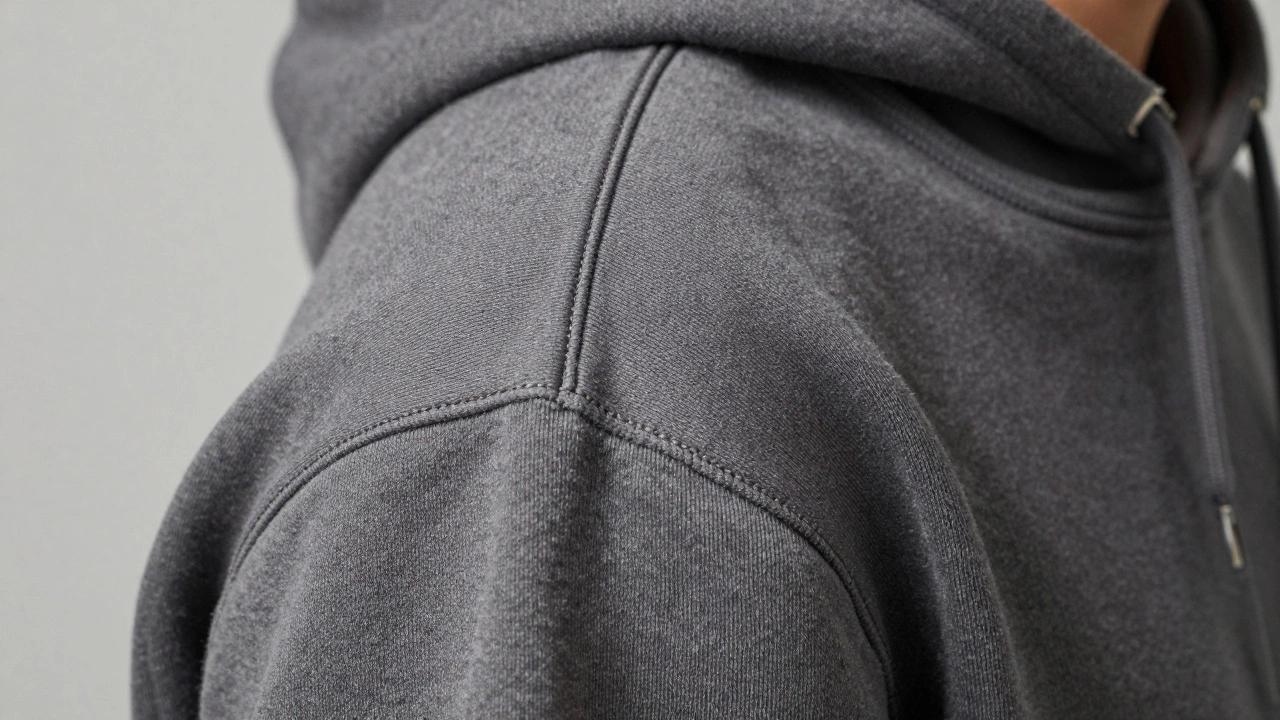
Stitching tells you everything. Pull on the seams gently-especially around the shoulders, hood, and waistband. If they stretch easily or the threads pull loose, walk away. High-quality hoodies use double or triple stitching in high-stress areas. You should see at least two rows of thread running parallel. Some premium brands even use French seams, where the raw edges are enclosed for durability and comfort.
Check the hood lining. If the hood is lined with the same fabric as the body, that’s a good sign. Cheap hoodies often use a different, lighter fabric just for the hood, which can fray or tear faster. Also, look at the drawstring channels. They should be reinforced with a small loop of fabric or a plastic grommet. If the drawstring just slides through a raw hole, it’ll eventually tear.
Examine the Zippers and Cuffs
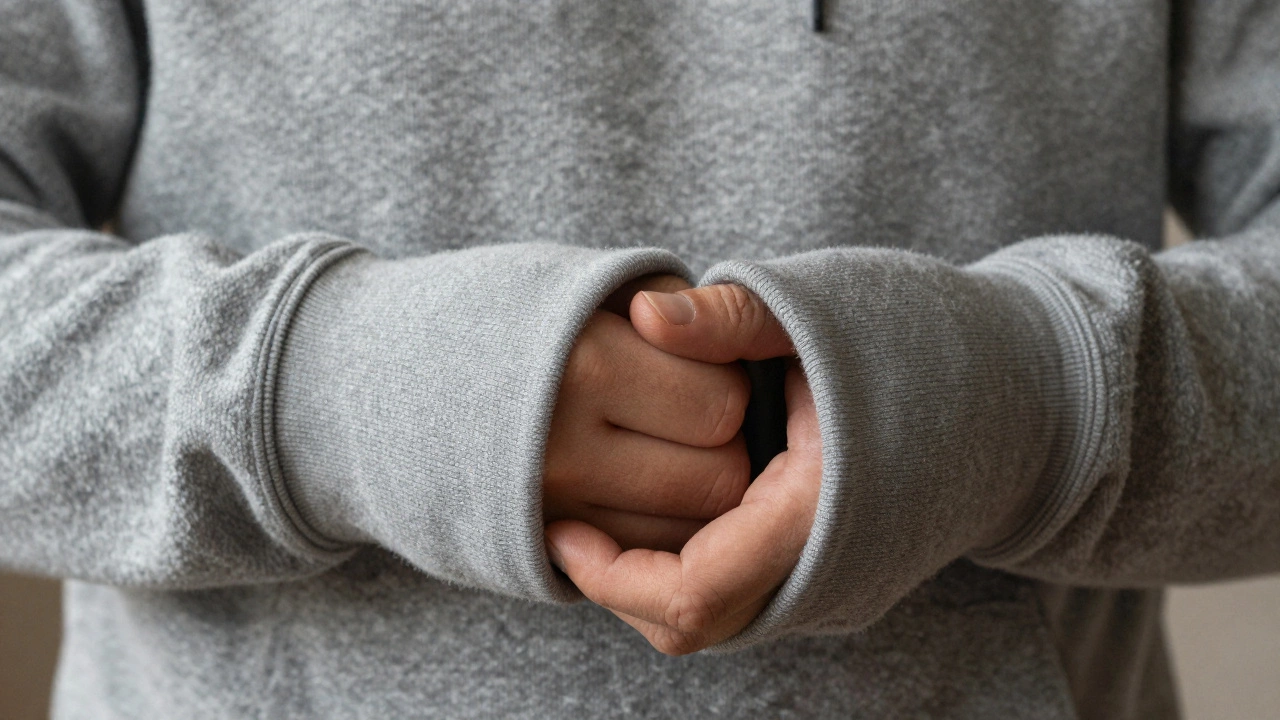
A zipper isn’t just a zipper. A high-quality hoodie uses a sturdy metal zipper, not a flimsy plastic one. YKK zippers are the gold standard-they glide smoothly, don’t jam, and last for years. If the zipper feels cheap or sticks when you pull it, the hoodie won’t hold up. Same goes for the cuffs and hem. They should be rib-knit with enough elasticity to stay snug without losing shape. A good ribbing has a tight, dense weave. If it looks loose or stretched out even before you wear it, it’ll sag fast.
Check the Hood Fit and Structure
A well-made hoodie has a hood that actually fits your head-not too tight, not too loose. The hood should sit naturally around your ears and not flop forward when you look down. Look at the drawstring placement. On quality hoodies, the drawstring is threaded through a channel that’s stitched securely to the hood’s edge. On cheaper ones, it’s just sewn in with a single line of stitching, which can split under tension.
Also, check if the hood has a reinforced seam at the front center. This is where most stress happens, especially when you pull the drawstring. A quality hoodie will have an extra layer of fabric or a small bar tack there. You won’t see this on fast-fashion pieces.
Weight and Drape Matter
Hold the hoodie up by the shoulders. A high-quality one should feel dense and have a nice, even drape. It shouldn’t feel like it’s floating or too light for its size. If it’s too light, it likely has a hollow core-meaning it’s made with low-grade cotton or a blend that’s been stretched with cheap fibers. A good hoodie has body. It doesn’t cling, but it doesn’t hang like a sack either. It should feel like it’s designed to move with you.
Compare two hoodies side by side. The heavier one isn’t always better-but if it’s significantly lighter and cheaper, you’re probably paying for branding, not build.
Wash Test (Before You Buy)
If you’re shopping online, read the care instructions. A high-quality hoodie will say to wash it inside out in cold water and tumble dry low-or better yet, air dry. If it says “machine wash warm” or “dry clean only,” that’s a red flag. Warm water and high heat break down cotton fibers faster. A brand that recommends cold washes knows their fabric can handle it.
Look for mentions of “pre-shrunk” cotton. This means the fabric was washed and dried before being cut and sewn. That prevents shrinkage after you buy it. Cheap hoodies skip this step and end up shrinking 5-10% after the first wash.
Brand Transparency and Origin
Brands that care about quality usually tell you where their materials come from. Look for phrases like “100% American-grown cotton,” “Turkish fleece,” or “organic cotton certified by GOTS.” These aren’t just marketing buzzwords-they mean the fiber was grown and processed with care. Brands that just say “premium cotton” without details? That’s vague for a reason.
Manufacturing location matters too. Hoodies made in the USA, Canada, or parts of Europe tend to have stricter labor and quality controls. That doesn’t mean hoodies made elsewhere are bad-but if a brand doesn’t say where it’s made, they’re probably hiding something.
Price vs. Value
A high-quality hoodie usually costs between $60 and $120. You can find decent ones for $40, but anything under $30 is almost always a compromise. That doesn’t mean you need to spend $150. But if you’re paying $25 for a hoodie that’s supposed to last five years, you’re setting yourself up for disappointment.
Think of it this way: if you wear a hoodie twice a week, that’s 104 wears a year. A $100 hoodie costs less than a dollar per wear. A $30 hoodie that falls apart in six months? That’s $5 per wear. The math isn’t even close.
What to Avoid
- Excessive branding-logos printed with plastisol ink crack and peel
- Thin, single-layer hoods
- Plastic drawstrings that snap or fray
- Loose, uneven hems that curl
- Labels sewn with only one or two stitches
These aren’t just minor flaws-they’re signs the entire garment was built for short-term use.
Final Checklist
Before you buy, run through this quick test:
- Is the fabric heavy (8 oz or more)?
- Does the inside feel soft and dense, not papery?
- Are the seams double or triple stitched?
- Is the zipper metal and smooth? (YKK is best)
- Do the cuffs and hem have tight, elastic ribbing?
- Is the hood well-structured with reinforced stitching?
- Does the care label say cold wash and low heat?
- Is the brand transparent about materials and origin?
If you answered yes to at least seven of these, you’ve found a hoodie that’ll last.
Can a cheap hoodie ever be high quality?
Rarely. A hoodie made with low-grade cotton, thin stitching, and plastic zippers can’t become high quality just because it’s on sale. Quality is built into the materials and construction from the start. You might get lucky with a one-time deal, but you shouldn’t expect consistent performance from budget brands.
Does organic cotton make a hoodie more durable?
Not directly. Organic cotton is grown without synthetic pesticides, which is better for the environment and farmers. But durability comes from fiber length and processing. High-quality organic cotton often has longer fibers, which means fewer weak points in the yarn-and that does improve longevity. So while organic doesn’t guarantee durability, it often goes hand-in-hand with it.
How long should a high-quality hoodie last?
With proper care, a well-made hoodie should last at least 3 to 5 years, even with weekly wear. Some premium brands, like those using ring-spun cotton and French seams, can last over a decade. It’s not about how many times you wash it-it’s about how well it holds up to friction, heat, and stretching.
Are fleece-lined hoodies always warmer?
Not always. Fleece lining adds warmth, but the quality of the fleece matters. Cheap fleece feels fluffy but traps air poorly and pills quickly. High-quality fleece is tightly brushed and dense, creating better insulation. Some hoodies use thermal cotton instead of fleece, which is lighter but still warm. It depends on your climate and how you plan to wear it.
Should I buy a hoodie with a drawstring or no drawstring?
A drawstring is a sign of thoughtful design. It lets you adjust the hood for wind protection and keeps heat in. Hoodies without drawstrings are usually fashion-focused and less functional. If you live somewhere cold or windy, go for the drawstring. Just make sure it’s threaded through a reinforced channel-not just stitched loosely.